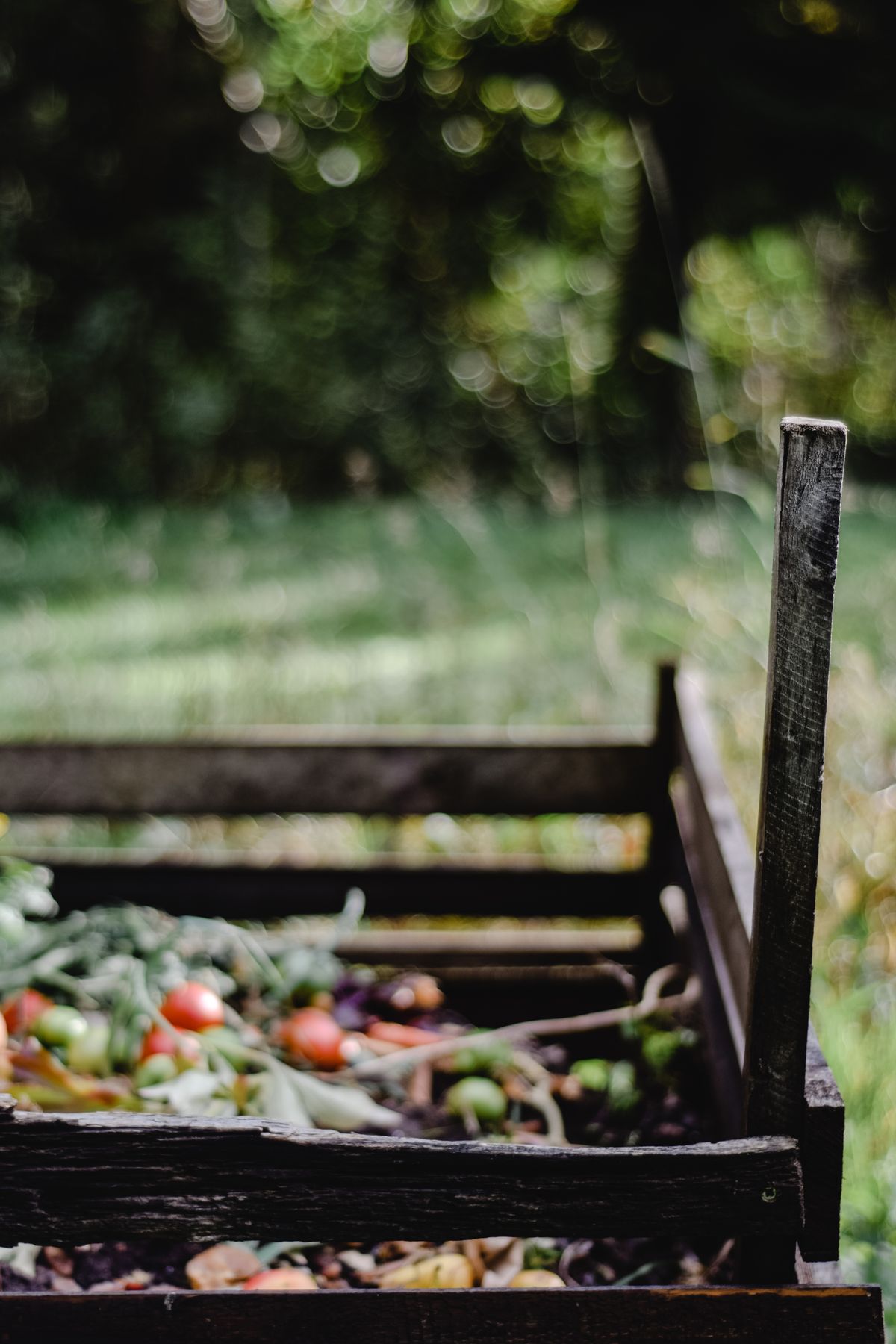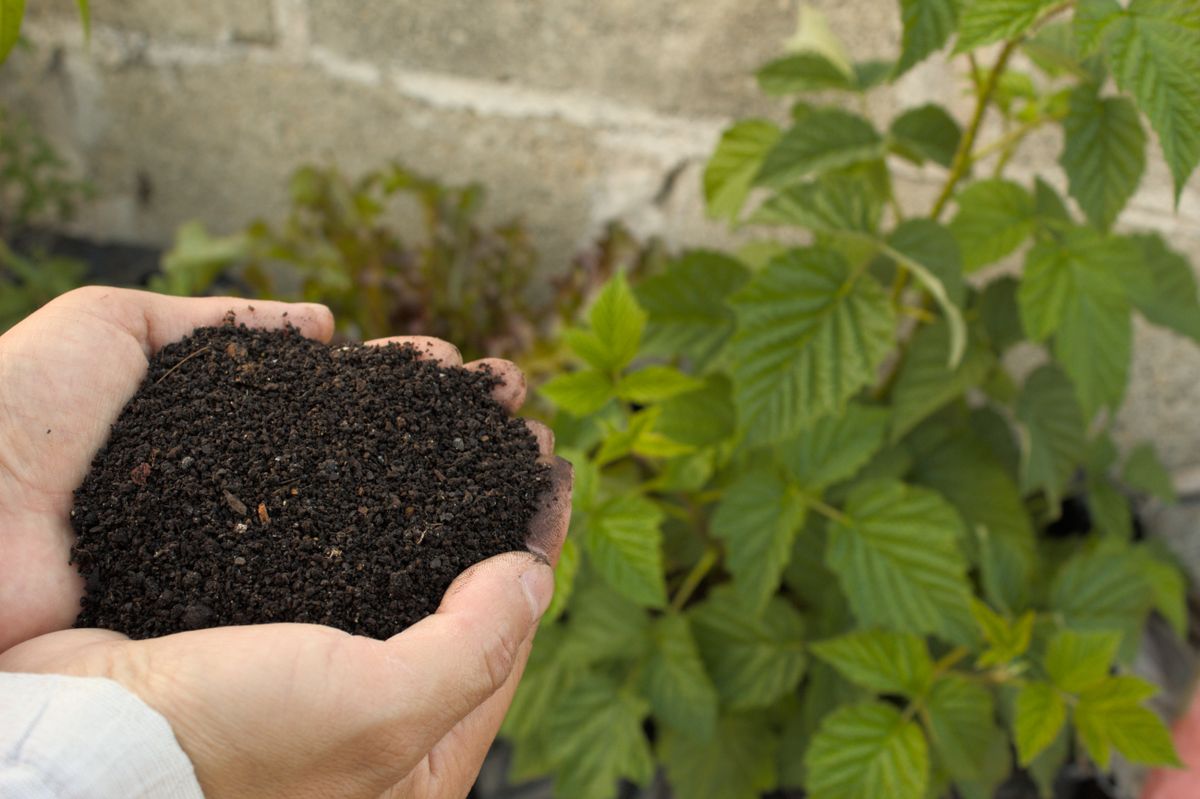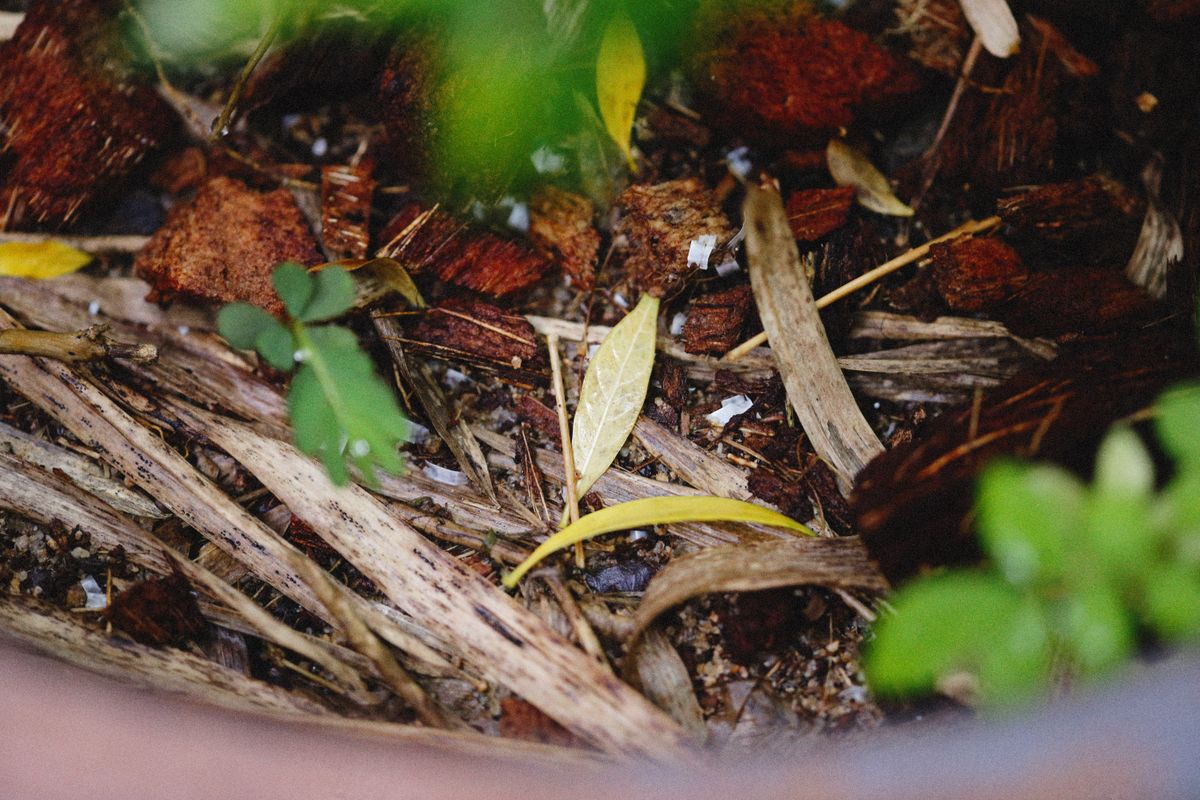
A bag of fall leaves and a daily bowl of vegetable peels arrive on very different schedules. A workable compost routine brings those schedules together. Instead of searching the yard for dry material every time you empty the kitchen container, give that material its own accessible storage spot beside the pile.
The EPA describes compost ingredients in terms of carbon-rich browns, nitrogen-rich greens, moisture, and oxygen. Dry leaves belong to the brown group; fresh vegetable scraps belong to the green group. The names describe their role, rather than providing a reliable color test. Brown coffee grounds do not replace a supply of dry leaves.
Plan around your actual supply
Write down the suitable materials your household produces during an ordinary week. Then add a second list for seasonal material, such as the leaves you collect in fall. This is more useful than a shopping list based on a compost recipe that assumes you own a lawn, a shredder, and several large trees.
Give your dry-material reserve a clear boundary. A separate labeled bin or designated section prevents someone from emptying it during a yard cleanup. Leave space to reach it while carrying the kitchen container. If you must move three garden tools before you can open the lid, the storage arrangement needs attention.
Make each addition deliberate
Set the kitchen container down before working with the pile. Prepare your mixing material, open the area where the new addition belongs, and distribute the ingredients instead of tipping everything into one compact heap. Keep the tools needed for this small job nearby, within a safe and suitable storage arrangement.
Think about volume over the course of a week. A modest amount of peelings each evening and an entire mower bag on Saturday create different demands. If one activity repeatedly overwhelms the available space, plan another accepted destination for part of that material. Check your local yard-waste program before assuming it takes everything your home compost cannot accommodate.
Keep a record only when it helps
A detailed spreadsheet is unnecessary for most households. A quick note after an unusually large addition can be useful, however: the date, what went in, and what you changed. When handling the pile becomes difficult, that note offers a specific starting point.
Try one adjustment at a time. You might reserve more fall leaves, move the storage container closer, or reduce the size of each fresh addition. Allow the new routine to become familiar before buying another accessory. The aim is a manageable supply of ingredients and a repeatable task, rather than a collection of products that leaves the original bottleneck in place.