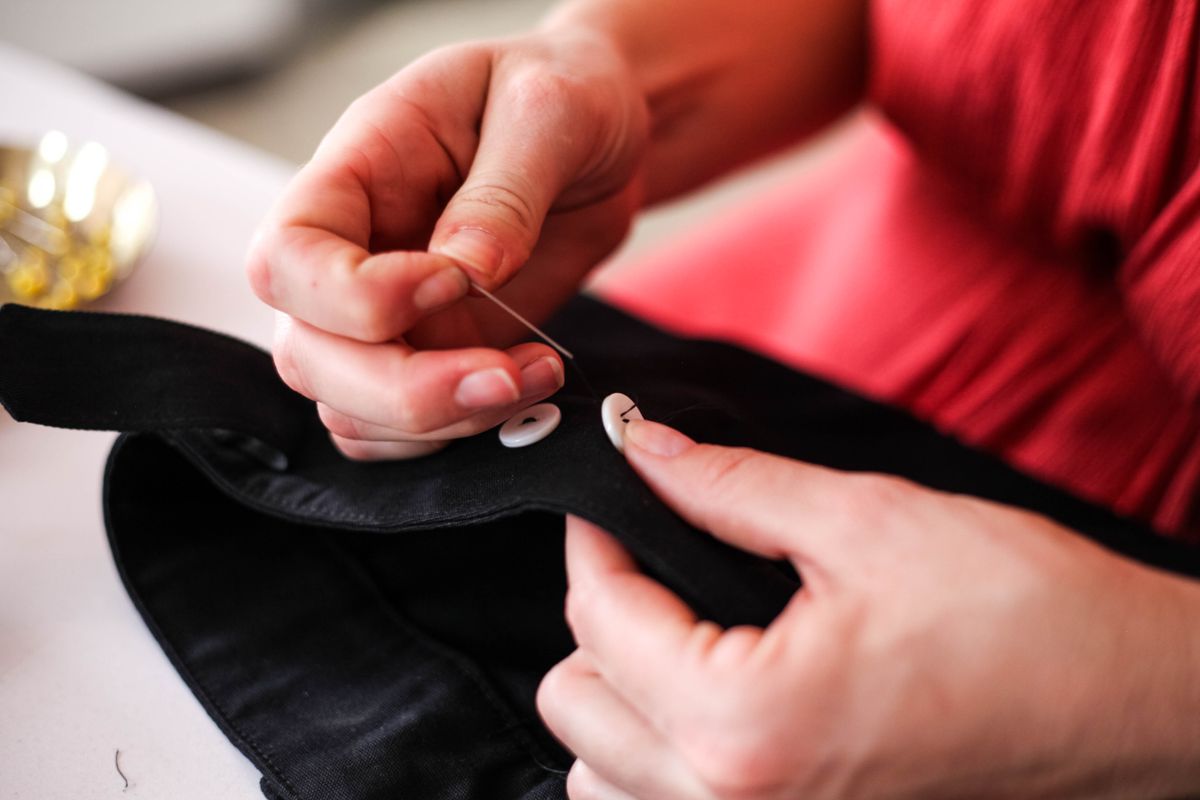
Small clothing repairs do not require a fully equipped sewing room. A modest kit can support loose buttons, straightforward opened seams, and first practice projects. What matters is finding the tools, knowing their intended use, and returning them safely after working.
Start with a real repair
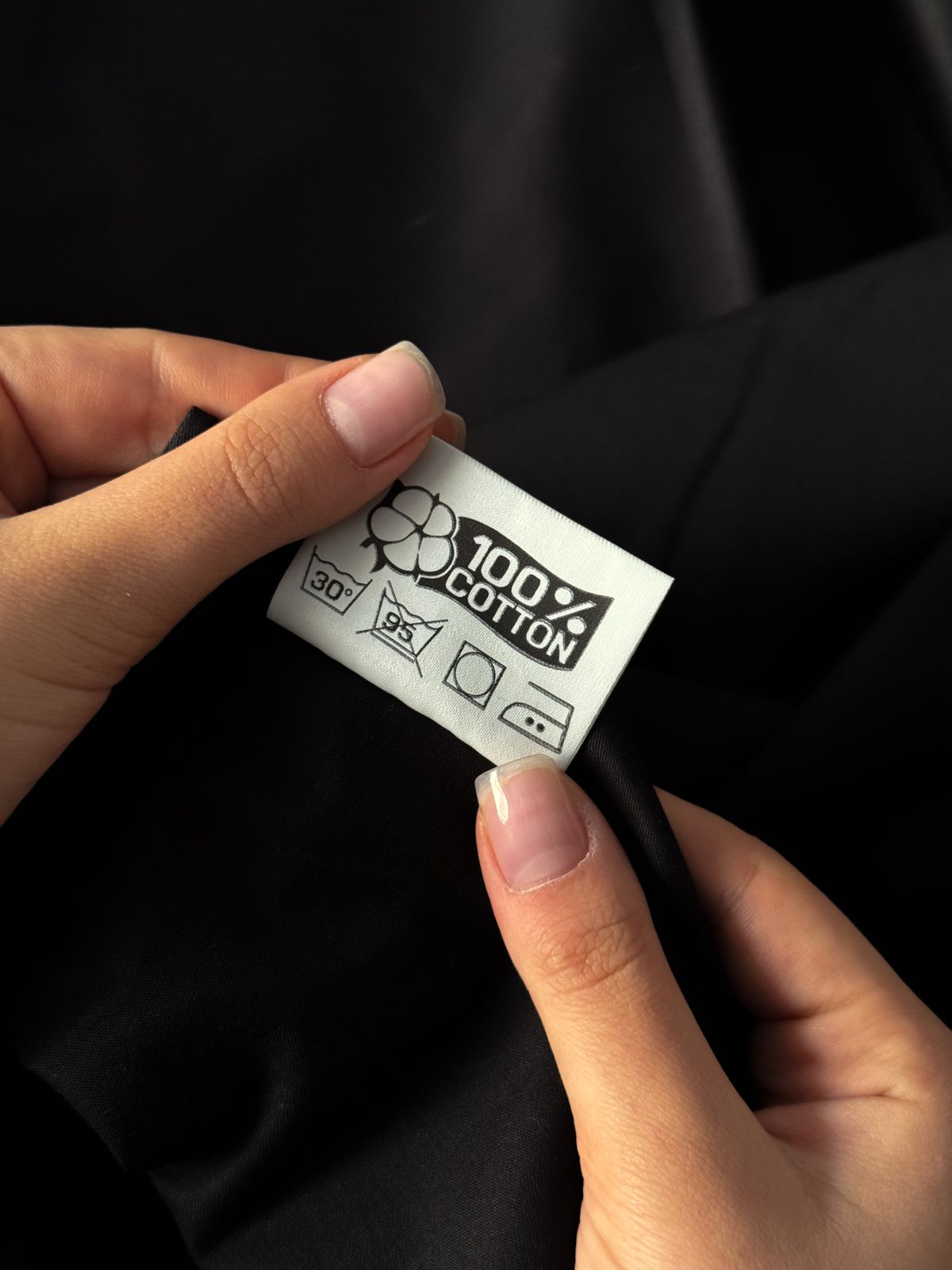
Inspect a garment you actually want to mend. That task determines the needle, thread, and other equipment needed. A large collection of varied thread is not helpful if none suits the current fabric. Add missing pieces deliberately and retain information about their materials and uses.
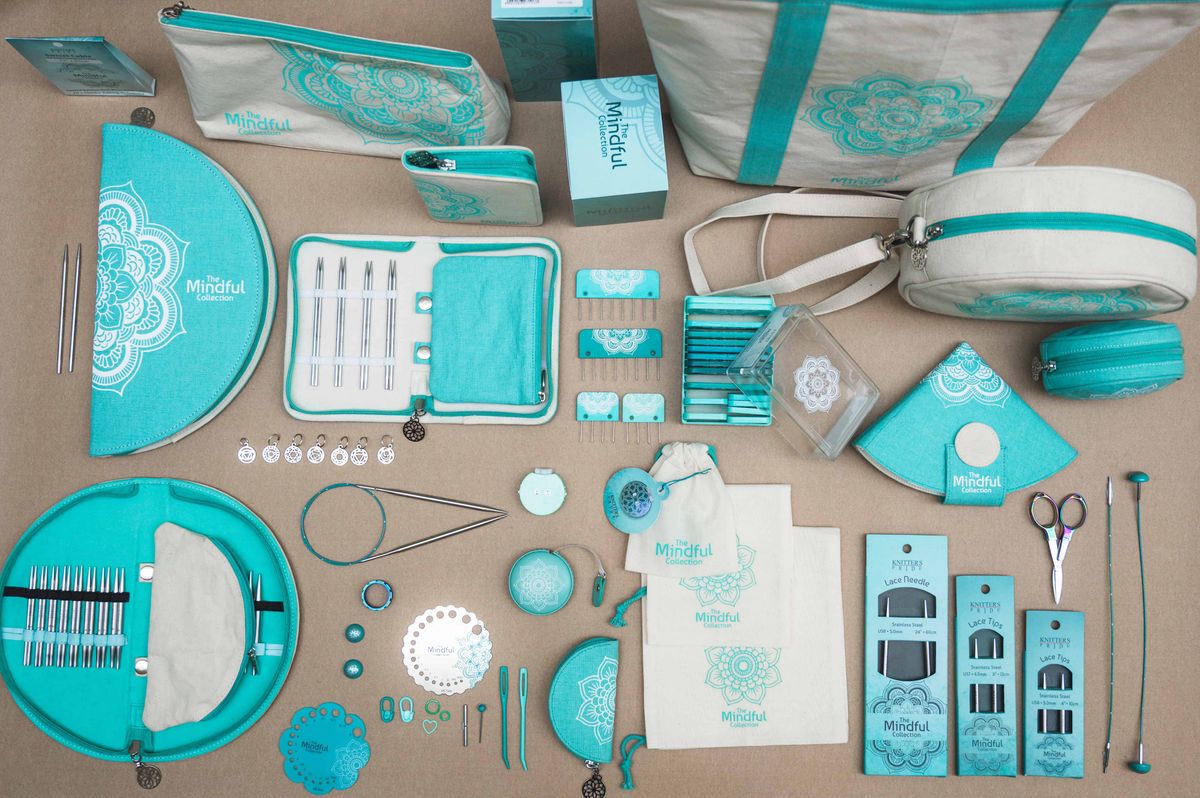
A small starting kit may contain suitable hand-sewing needles, appropriate thread, scissors, and a measuring tape. A needle threader or thimble can help depending on your handling needs. Every kit does not need an identical inventory. A tool does not become suitable simply because it was included in a complete set.
Unpicking stitching requires care. A seam ripper can damage fabric if directed incorrectly, so practice unfamiliar movements on an appropriate scrap. For valuable, delicate, or safety-related textiles, a professional repair or a manufacturer-specific guide may be a better starting point than experimenting on the item.
Keep parts traceable and tools secure
Store needles in a closed, suitable holder out of children's reach. Loose needles do not belong in upholstery, clothing, or an indistinct pile of thread. If you use several, account for them before and after the job. A small firm container can work when sharp parts are held securely inside it.
Associate spare buttons and unusual thread colors with the relevant garment. A note on an envelope prevents the origin of a specialized part from being forgotten. Useful scraps may be worth keeping, but every tiny offcut does not need permanent storage. A limited space prevents the kit from becoming a collection of unusable fragments.
If you stop midway through a repair, leave a short note describing the next step. Remove or safely secure needles and keep the garment clean and dry. That makes returning to the task easier than reconstructing what happened from a tangled work bundle. Expand the kit when another actual job calls for another tool. Repeated use of a few appropriate pieces is more useful than an imposing collection that makes a small repair feel like a major project.