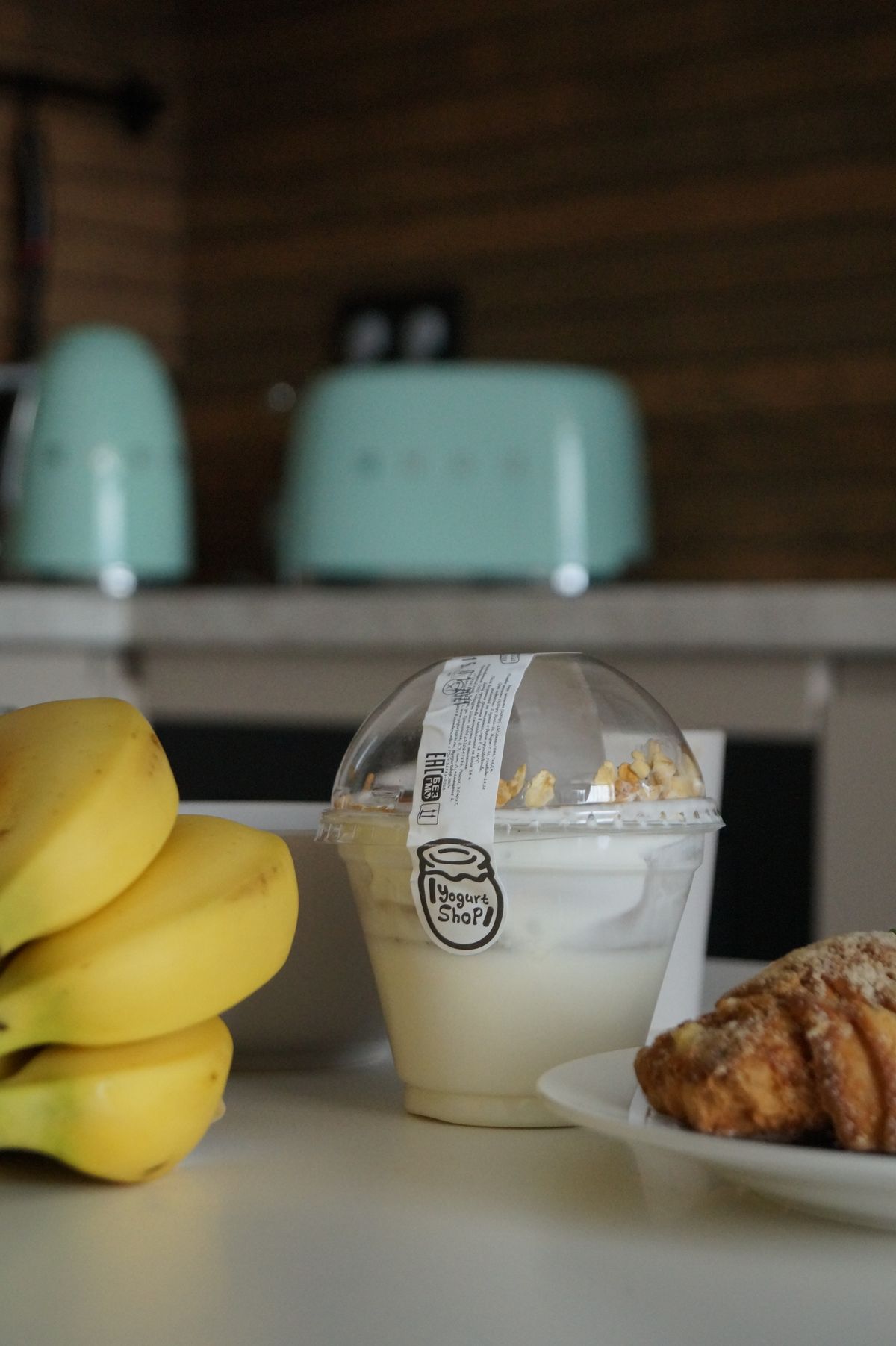
A yogurt container is not always a single recyclable object. It may have a plastic body, a foil seal, a separate lid, and a paper sleeve. The useful question is not simply whether the bottom carries a recycling symbol. It is whether your local program accepts that particular container and how it wants the removable pieces prepared.
Look up tubs separately from bottles
Collection lists sometimes distinguish rigid tubs from plastic bottles. Check the current instructions for yogurt containers or food tubs rather than assuming that a rule for water bottles covers both. If the material is not listed clearly, ask the provider. Set one uncertain container aside while checking instead of adding a week's supply to a stream that may not accept it.
Read any instructions about lids and foil seals. A lid that is accepted attached to one container may be handled differently when loose or made from another material. Separate an easily removable paper sleeve if your program asks for that, and send it through the appropriate paper route. Do not nest several different packages together to make one compact bundle.
Build the step into clearing up
Empty the food before sorting the container. Your provider may specify a rinse or a particular level of cleanliness. Follow that instruction without turning each empty tub into a lengthy project. If everyone in the home uses the same brand, keep one clear example or photograph near the collection area so the routine is easy to repeat.
For a shared breakfast table, a small dish can temporarily hold removed seals while meals are cleared. Empty it immediately afterward. This avoids loose foil sticking to other packaging or disappearing under plates. Keep small lids away from pets and young children, and handle sharp edges carefully.
Match the package to the food you use
A larger tub may suit a household that eats yogurt every day, while another household may repeatedly forget the opened remainder. Observe what gets used before changing package size. Write the opening date on a removable note if it helps, follow the product's storage instructions, and plan a use for the remainder while it is still suitable.
Do not buy a stack of small containers solely because they seem convenient for later storage. Reuse should match the container's intended use and condition; a disposable food tub is not automatically suitable for heat or freezing. If the goal is fewer packages, begin with the eating routine and available local options. Correct sorting then becomes one short step at the end of a purchase that already makes sense for your household.