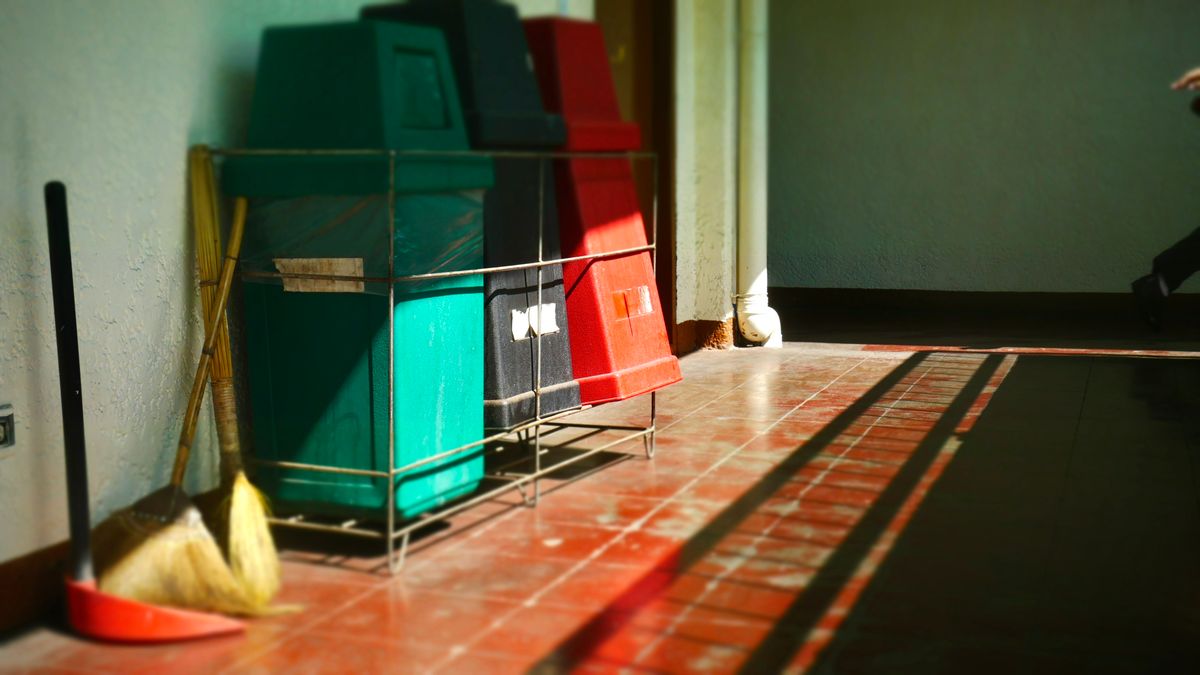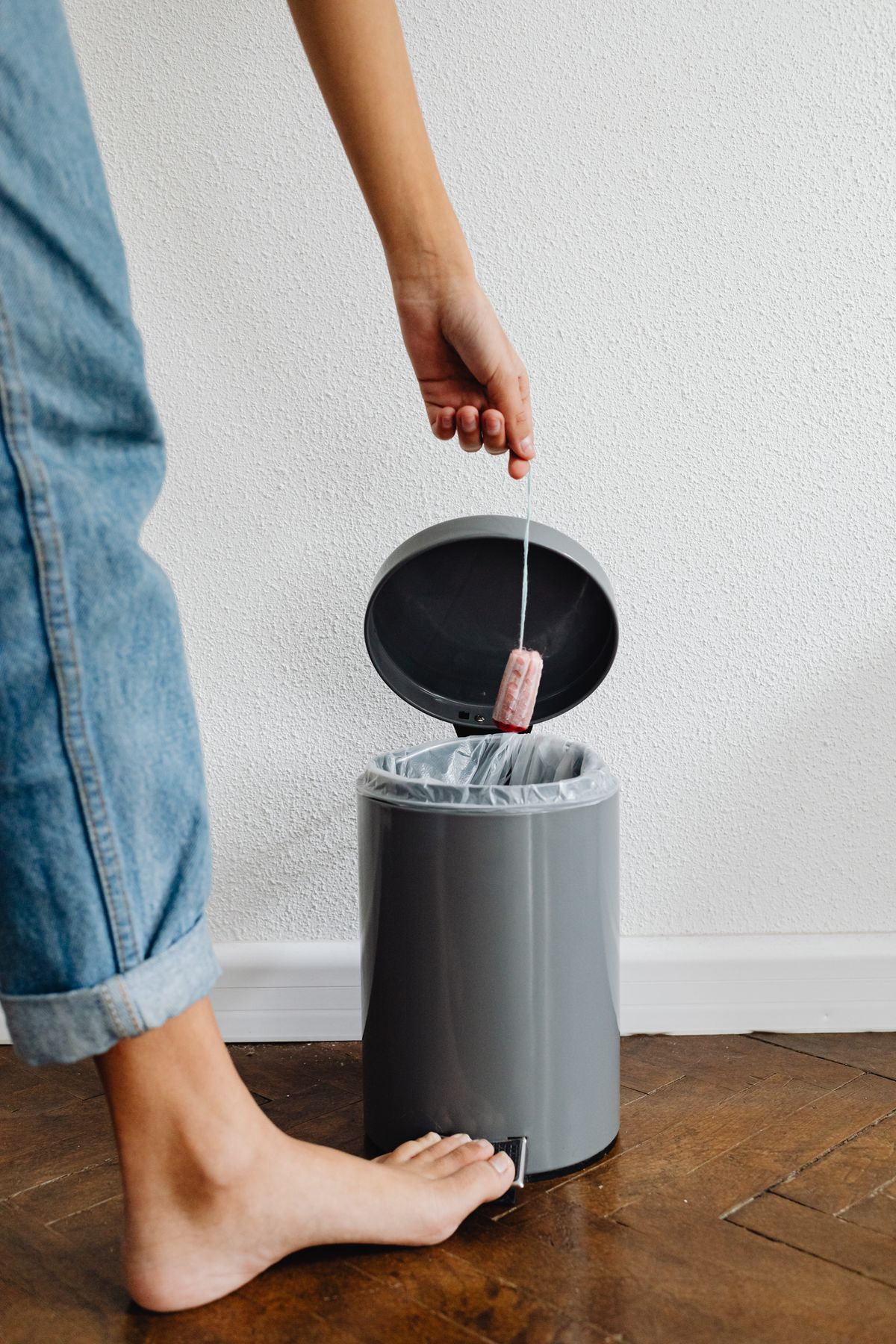
Three matching bins can look orderly and still be poorly suited to a household. Paper takes up space, glass becomes heavy, and damp scraps need different handling from dry packaging. Useful capacity depends on the material and its route to collection, not on making every container identical.
Watch an ordinary week
Notice which container fills first and what causes it. One large shipping carton is different from a steady stream of everyday packaging. Check whether the volume comes from the amount of material or the way it is placed in the bin. Flattened cartons and open boxes use space differently. Do not forcefully compress items where doing so could cause injury or interfere with correct sorting.
Look at your local collection arrangements and schedule. An indoor bin may only need to hold material until you carry it to a larger outdoor cart. If you drive to a drop-off site, you need a manageable transport container. The total volume between collections and the amount you can comfortably carry are not necessarily the same. A smaller glass box may be more useful than a large bucket that becomes too heavy to lift.
Measure the working space
Measure the height, width, and depth of the proposed location. Include pipes, hinges, trim, and the movement needed for a pull-out container. A bin that fits inside a cupboard must still open and come out. Check whether you can reach the handle when it is full and whether the interior can be cleaned without awkward disassembly.
A lid may help in one location and get in the way in another. Choose its design around the contents and how often the bin is used. Labels should remain visible without requiring every lid to be opened. Visitors should be able to distinguish recycling streams without having to remember which identical container means what.
Test the allocation
Try an arrangement with suitable containers you already own before purchasing a complete system. A short trial can reveal that one stream needs more room while another barely uses its allowance. Change the specific mismatch. A larger bin is not a substitute for emptying or cleaning on an appropriate schedule; it can simply conceal an inconvenient arrangement for longer.
When choosing a new container, consider the handle, removable insert, and availability of replacement parts as well as capacity. A reliable setup can be simple. The important relationship is between collection, lifting, storage, and emptying in your actual home, with as little unnecessary rearranging as possible.