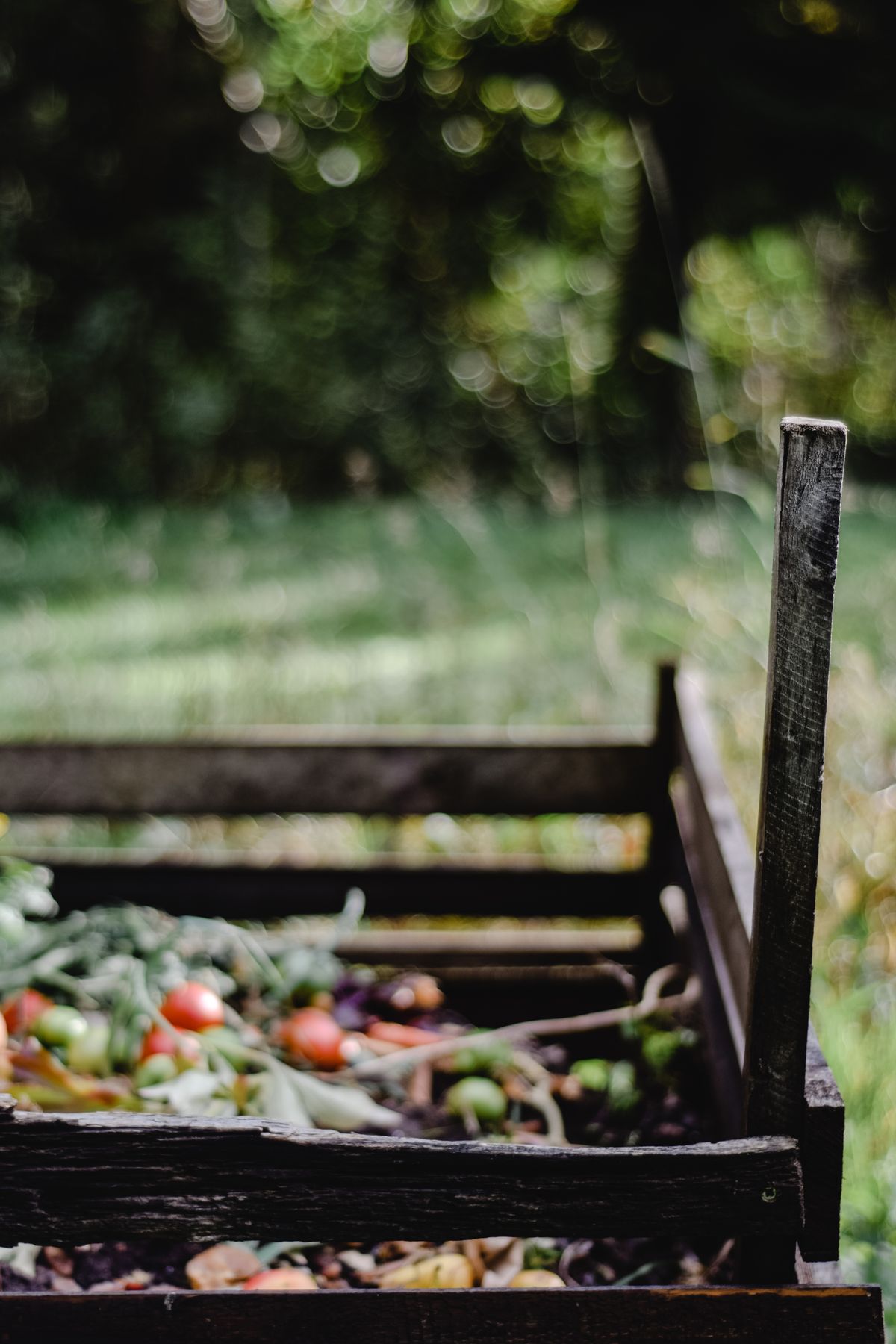
When unwanted animals appear near compost, look beyond the bin. Scraps beside the opening, accessible pet food, and a cluttered storage area can matter as much as the material inside. Reviewing the whole route is more useful than searching for a single additive that promises to solve every pest problem.
Record the actual signs
Not every creature in compost is a pest. Note what you saw and where: a damaged edge, a new opening, and a sighting at a particular time are different observations. Do not reach unprotected into an unknown cavity or disturb an animal to obtain a photograph. A suspected serious infestation calls for appropriate local assistance.
The Royal Horticultural Society's guidance on rats considers accessible food sources and compost management as parts of the wider garden situation. Use that as a prompt to inspect what is exposed, what has spilled, and which containers no longer close properly. This review does not replace qualified advice when an infestation is present.
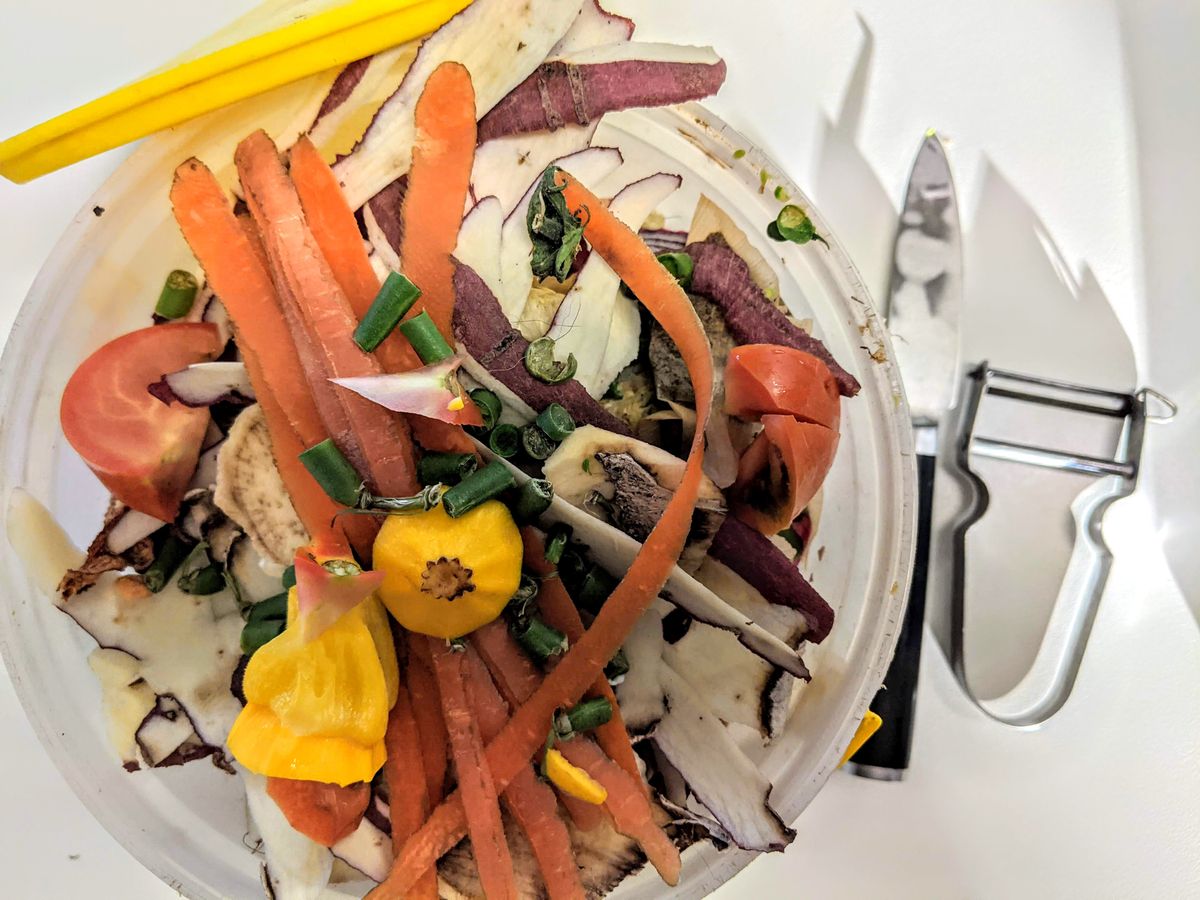
Follow the scraps from the kitchen
Can the collection caddy be emptied without dropping food around the bin? Is the lid easy enough to reach that it is actually closed after each visit? Clean up spilled material and check damaged fasteners or edges. An awkward daily movement can repeatedly create the same small source of food outside an otherwise suitable container.
Match the contents to the system you use. Materials accepted by a commercial compost collection are not automatically appropriate for an ordinary backyard pile. Keep the relevant instructions visible and resolve differences in household habits. Increasing the bin's capacity will not correct inappropriate inputs.
Keep inspection possible
Store tools and spare materials so that you can see and access the bin's working parts. Do not permanently block the area where a lid, base, or side opening needs checking. If a safely accessible component is damaged, identify an appropriate repair instead of closing ventilation openings indiscriminately.
Avoid improvised poison baits or adding pest-control chemicals to the compost. For repeated signs of rodents, contact a suitable local authority or qualified service and explain how the compost is intended to be used. Until the situation is assessed, do not treat suspect contaminated material as ordinary finished compost ready for application. A clean-looking surface is not evidence that the underlying issue has been resolved, and a documented inspection is more useful than repeatedly moving the same surrounding clutter.