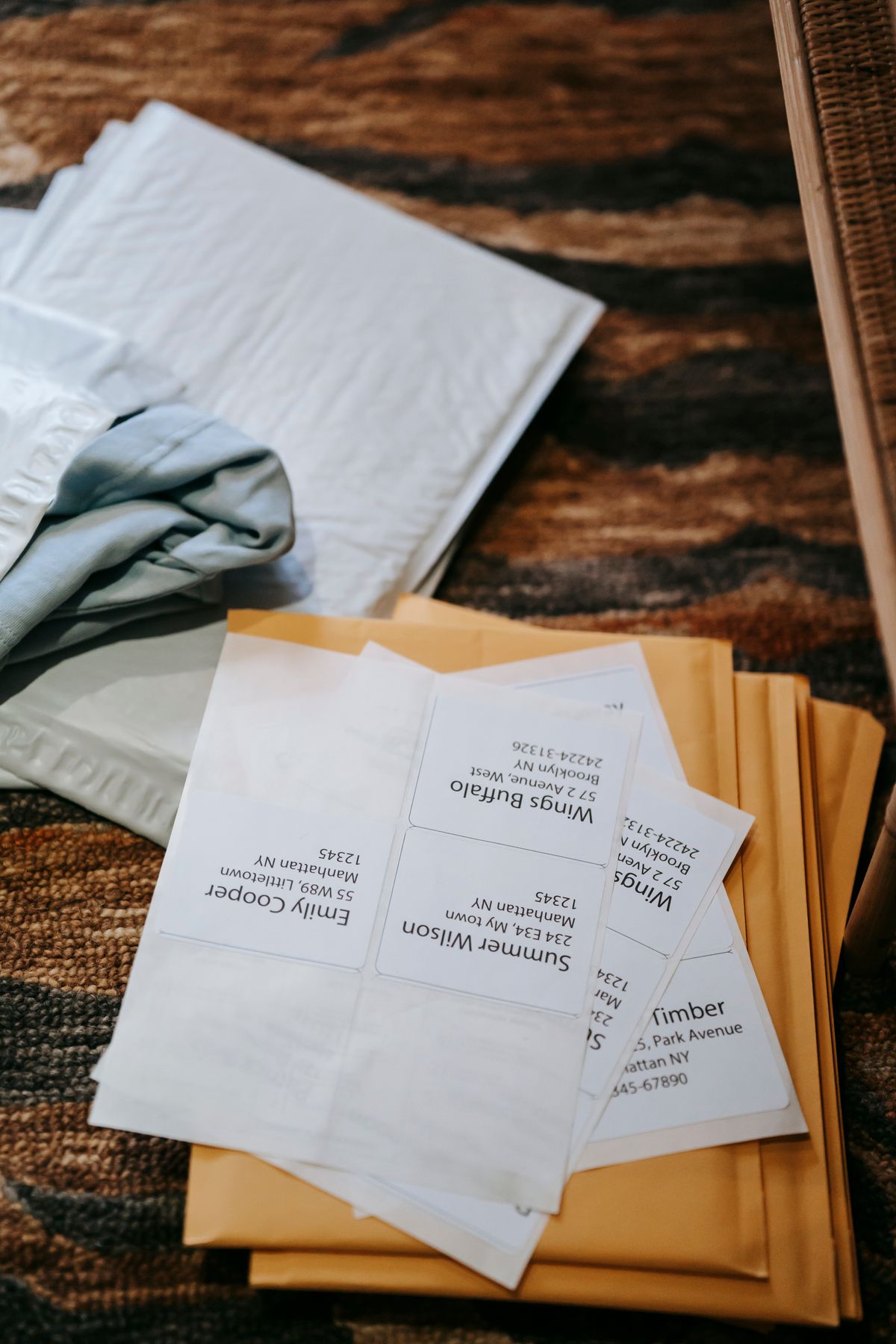
A shipping mailer can have a paper exterior and a plastic bubble lining. Another may be all film, while a third uses paper cushioning. Open the empty package far enough to understand its construction and read any material information. The outside color is not a reliable sorting guide.
Remove the item, packing slip, and loose inserts first. Check folds and small internal pockets for accessories or return documents. Flat items can disappear against a padded lining. A complete unpacking step prevents a later search through packaging already assigned to collection.
Separate only what is meant to separate
If paper and film layers peel apart easily by design, follow the local rules for each component. A firmly bonded mailer should not require aggressive scraping or cutting to make it look like pure paper. Search the collection guide for padded mailers or describe the construction to your provider.
A flexible plastic mailer should not be assumed acceptable in curbside recycling because rigid plastic containers are collected there. Likewise, a paper-looking composite is not automatically ordinary paper. Check any separate drop-off program's exact acceptance list before adding an unfamiliar package.
Prepare for another shipment
Inspect seams, edges, and the closure. A torn mailer may no longer protect the contents reliably. Heavy or fragile items need packaging appropriate to the entire journey; extra tape cannot replace missing cushioning or restore every damaged seam. Follow the shipping service's packaging requirements.
Remove or fully cover old addresses and shipping codes before reusing the mailer. Check transparent document pockets for personal information too. The current recipient and shipping label should be unambiguous, with no competing barcode visible. Make sure the new closure can hold the proposed contents securely.
Keep only a few sound sizes with likely uses. A shallow folder can hold a useful reserve without turning into a cupboard of unknown packaging. If most future shipments require boxes, collecting dozens of small envelopes will not meet that need.
Review the reserve before buying mailing supplies. Use an appropriate saved mailer for a planned return or secondhand sale, then send damaged or unwanted examples through the verified local route. Reuse works best when the package has a specific next trip rather than an indefinite place at the bottom of a drawer.