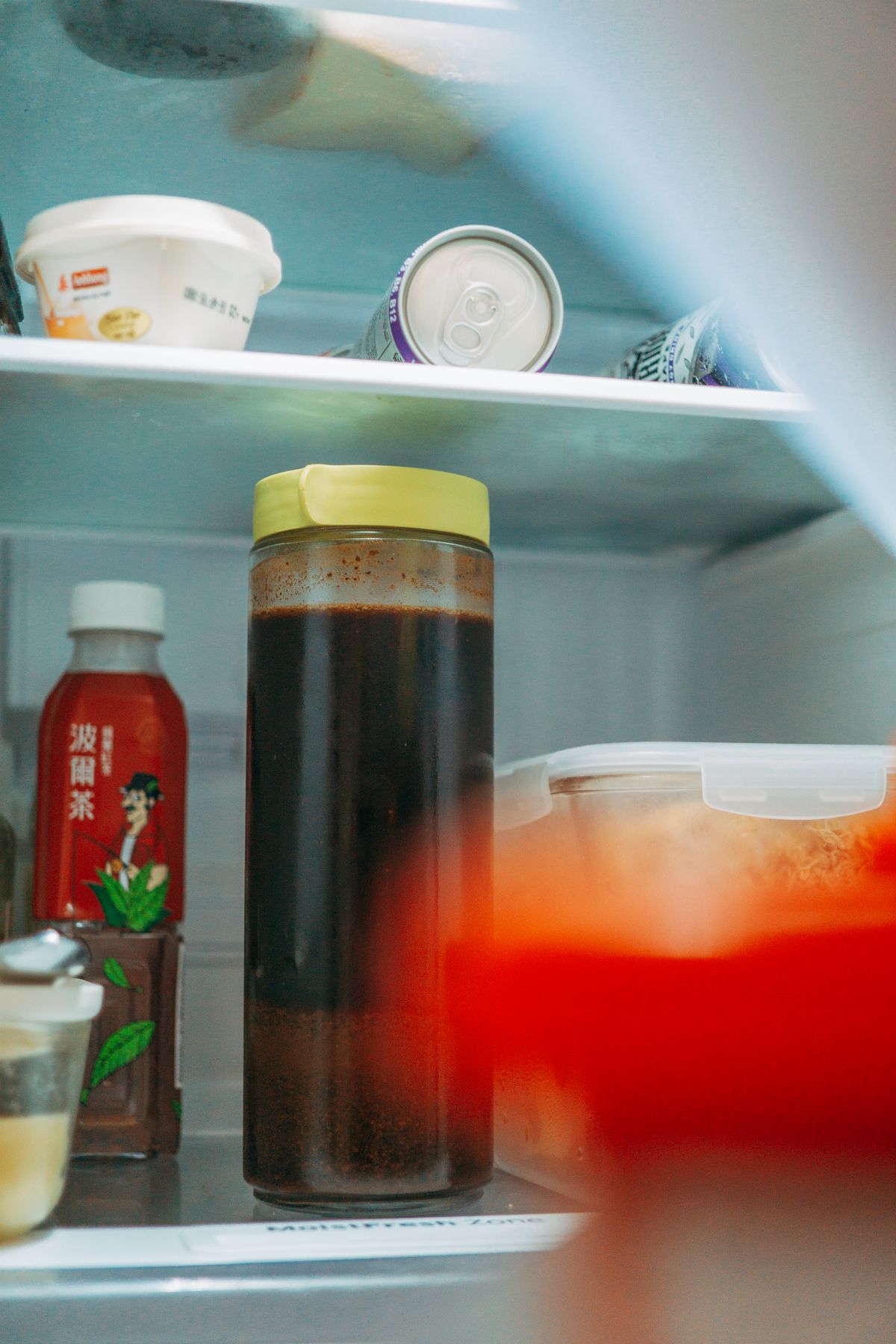
An eat-first box should make the next meal easier to plan. It is not a rescue area for food of unknown age or uncertain storage history. Include only items that remain suitable for use, and keep the original product directions available.
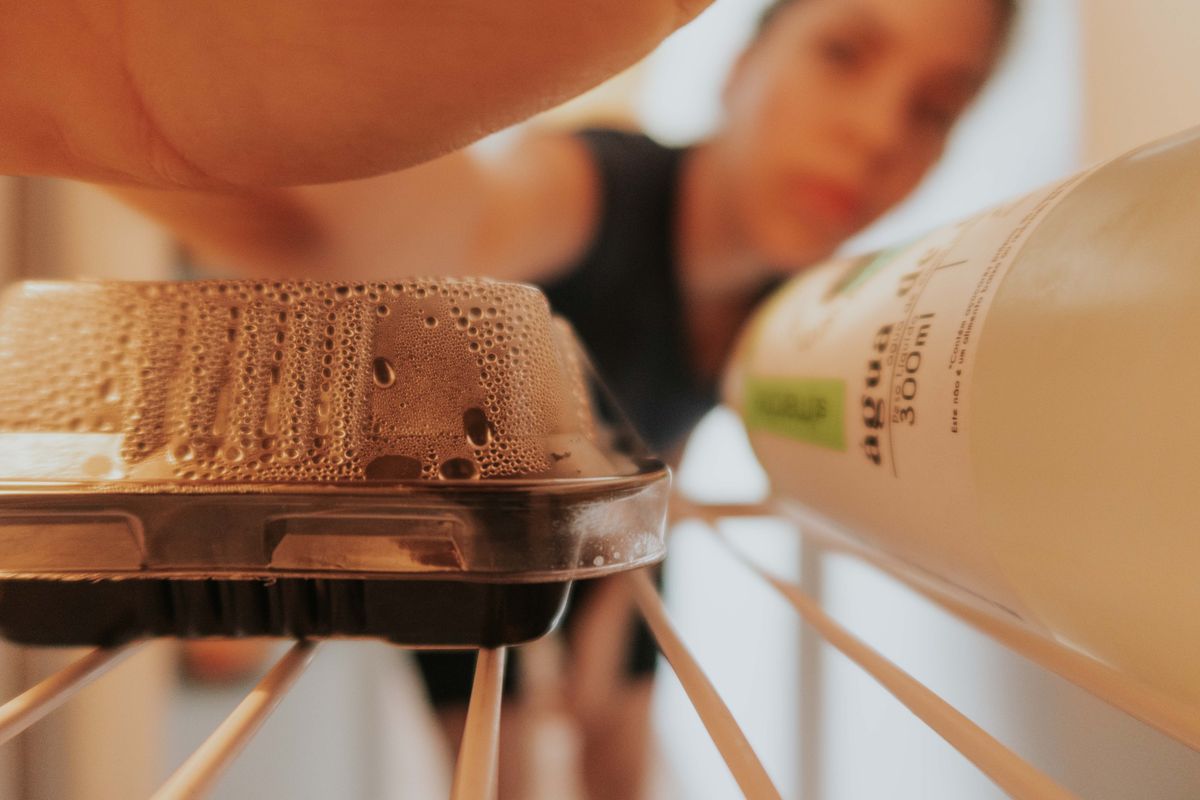
Choose a shallow, easy-to-clean tray rather than a deep container. You should be able to see everything without unpacking it. Place it where the refrigerator conditions suit the contents. Raw animal foods need their own contained storage so juices cannot contaminate ready-to-eat items.
Give a few foods a clear next job
An opened ingredient, a small prepared portion, and something intended for tomorrow can make a manageable selection. Do not automatically add every package that looks older. Too many competing items turn the box into another place where food disappears.
Mark prepared food with its preparation date and a useful description. USDA guidance generally allows refrigerated leftovers for three to four days when handled and stored safely. The label does not replace prompt chilling or correct refrigeration. A normal smell or appearance is not proof that an item with an unsafe storage history can be eaten.
Assign a realistic meal to each item. A portion could become tomorrow's side dish, or an opened ingredient could fit a recipe already planned. If using one leftover requires a new shopping trip and several additional perishable ingredients, the plan may be too complicated for the available time.
Make the meaning shared
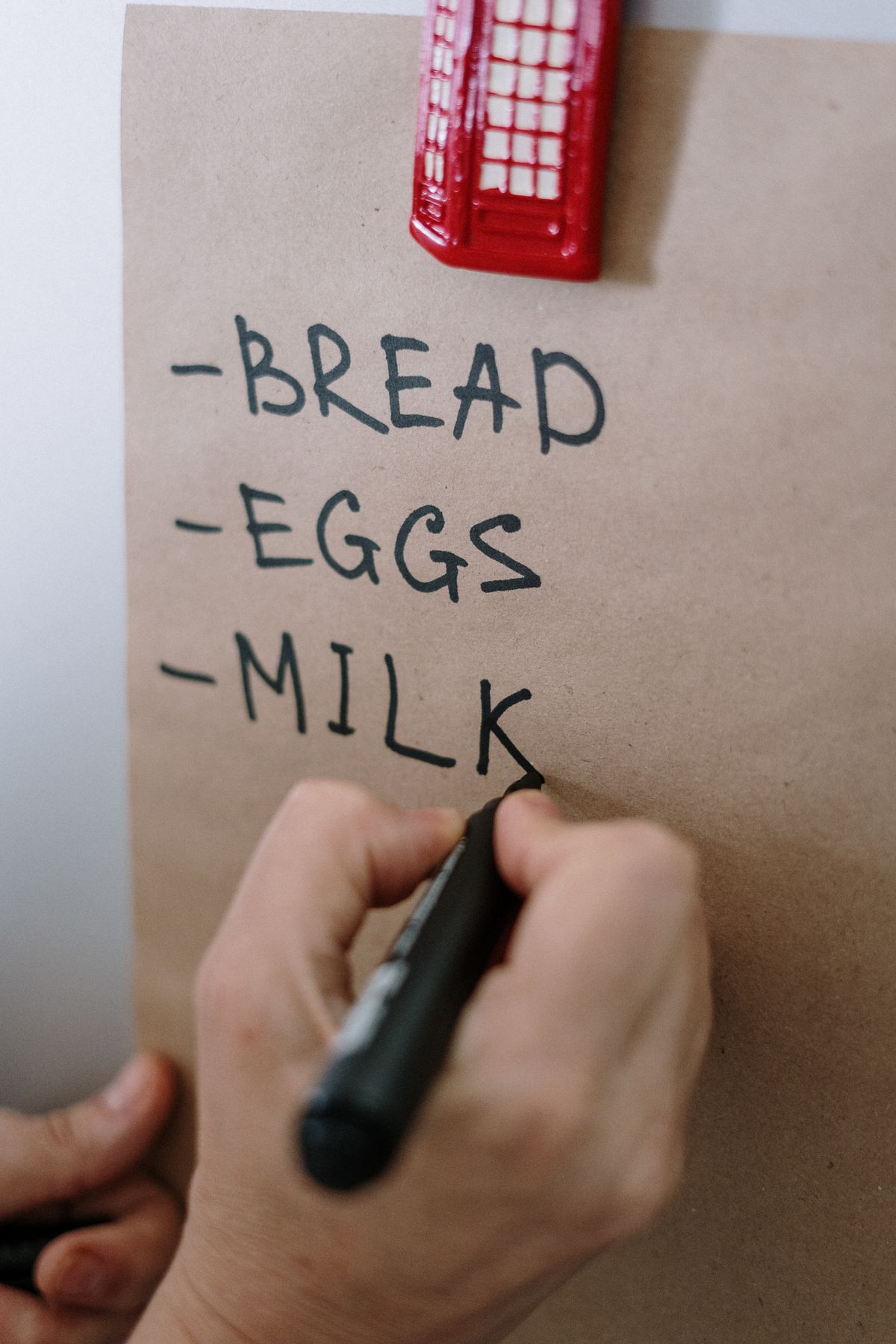
Explain the tray to other people using the refrigerator. In a shared household, clarify whether the food is available to anyone or reserved for a particular meal. A short note can prevent a planned lunch from being used accidentally while other food remains untouched.
Check the selection during the daily refrigerator routine. Remove unsuitable food and clean the tray when needed. Waiting for a large weekly cleanout may be too infrequent for the foods gathered here. Keep packages with different storage needs in appropriate places even when that means they cannot all fit into the same visual system.
If the tray stays full, reconsider the purchases and meal commitments behind it. You may be bringing home more fresh food than the week allows or planning too many new dishes. Reduce the amount in the box and select easier uses for what remains.
The measure of success is food actually incorporated into suitable meals. A neatly labeled container full of forgotten packages is still a storage problem, however clear the label looks.