A meal plan often fails because the week is too optimistic, not because the recipes are uninteresting. A new dish every evening leaves little room for a late meeting or an unexpected invitation. Start with the meals that will actually happen, then decide what to cook.
Count real opportunities to eat at home
Mark which days people will be home and how much preparation time is available. A rushed evening needs a different approach from a free afternoon. Include meals already planned elsewhere so the shopping list does not cover seven dinners when the household needs only four.
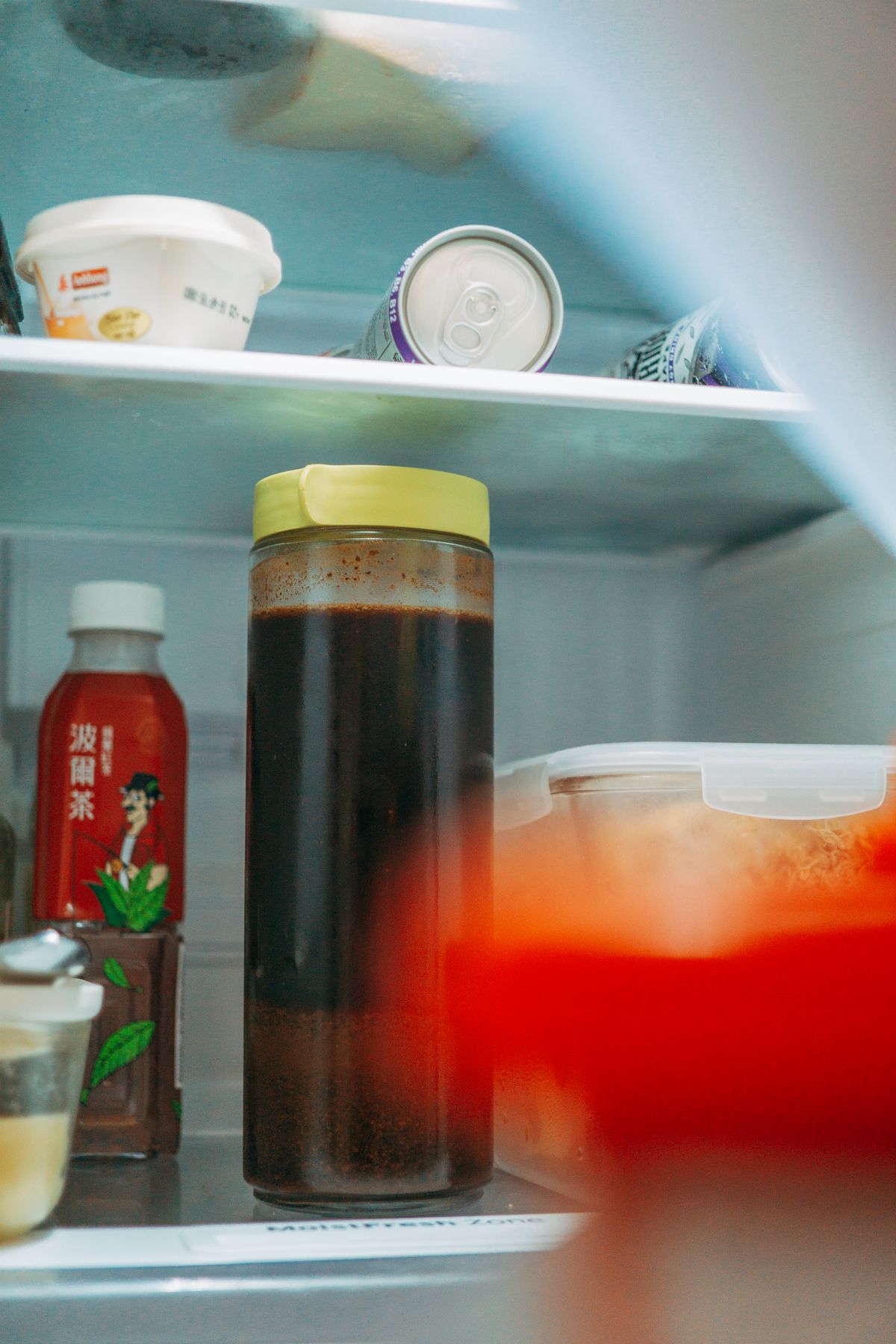
Look through the refrigerator, freezer, and pantry next. Choose a few suitable ingredients that need using within their safe storage period. Let those shape the first meals. The rest of the plan can fill gaps rather than introducing an entirely new set of ingredients.
Connect ingredients without forcing repetition
One ingredient can serve more than one planned meal. A bunch of herbs might suit two different dishes, while a dry grain may remain useful across several weeks. The quantities and safe storage requirements must fit the timetable. Do not build a sequence that depends on keeping perishable leftovers indefinitely.
Write ingredients in the sizes you actually buy. If a recipe uses only part of a package, give the remainder a specific purpose or choose an appropriate alternative. This quick check can be more valuable than a highly detailed cooking calendar.
Leave a flexible slot rather than filling every evening with new perishable purchases. Suitable pantry or freezer supplies can support an easy meal if plans remain unchanged. If another dinner moves, that slot absorbs the change without creating another set of fresh ingredients waiting to be used.
Respond to changes by ingredient
When an evening is canceled, inspect the affected food first. Decide what needs prompt use, what can be frozen following appropriate guidance, and what can wait. Do not simply shift the whole menu one day later. Foods have different storage needs, and a tidy calendar does not extend them.
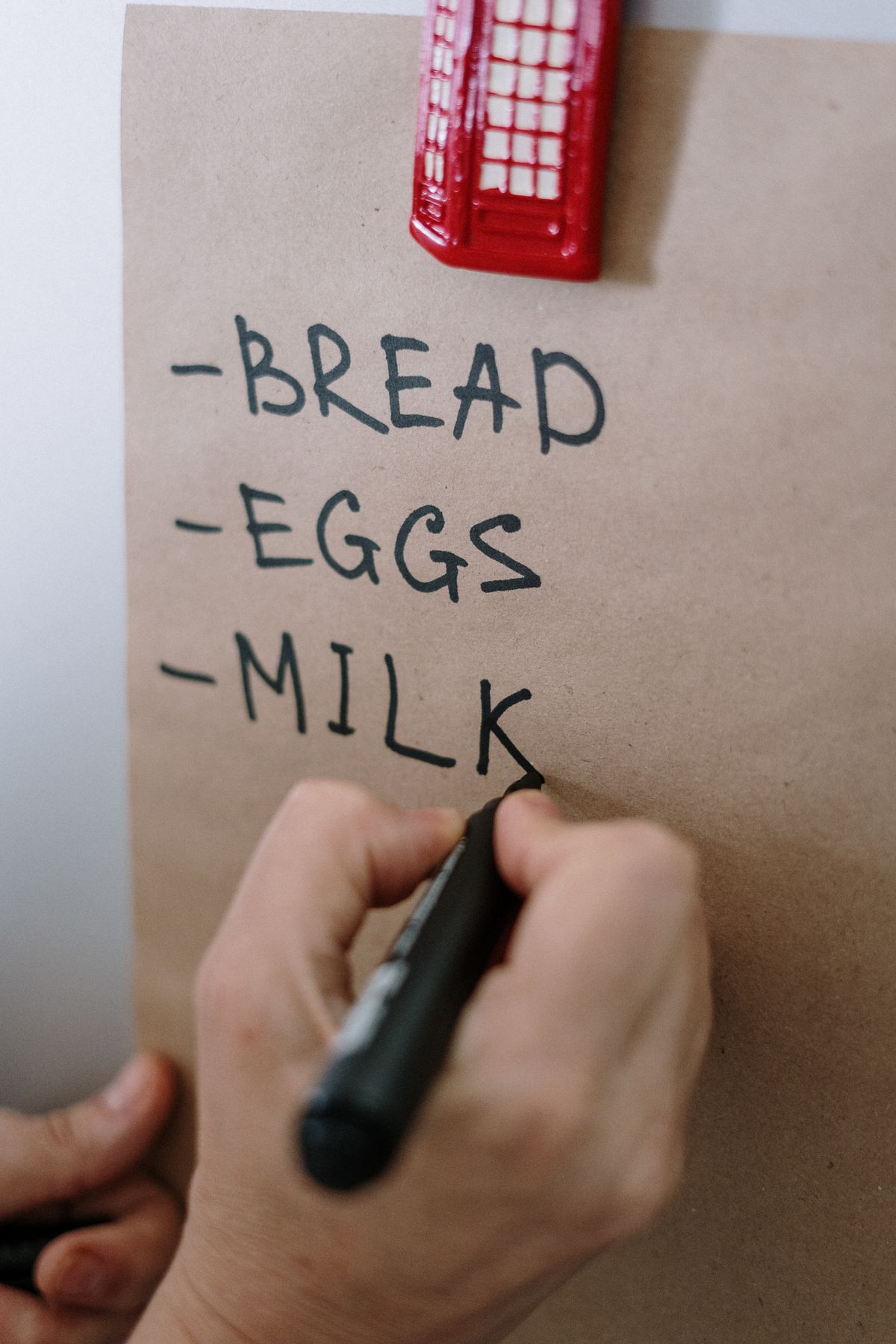
A shared plan also needs visibility. Keep it where the people cooking and shopping will see it, and use a format that is easy to edit. If dinner changes, update the list rather than relying on everyone to remember a spoken conversation.
At the end of the week, note one or two useful observations: a portion was too large, an easy meal worked well, or a particular evening was repeatedly skipped. Use that information next time. The plan should help buy and cook the right amount, not become another schedule that has to be defended when life changes.