A full mower bag creates an immediate decision. Without a destination, it is tempting to empty everything into the nearest corner and deal with it later. Planning the route before you mow makes it easier to use suitable clippings in manageable amounts and to recognize when you have more than the chosen space can accommodate.
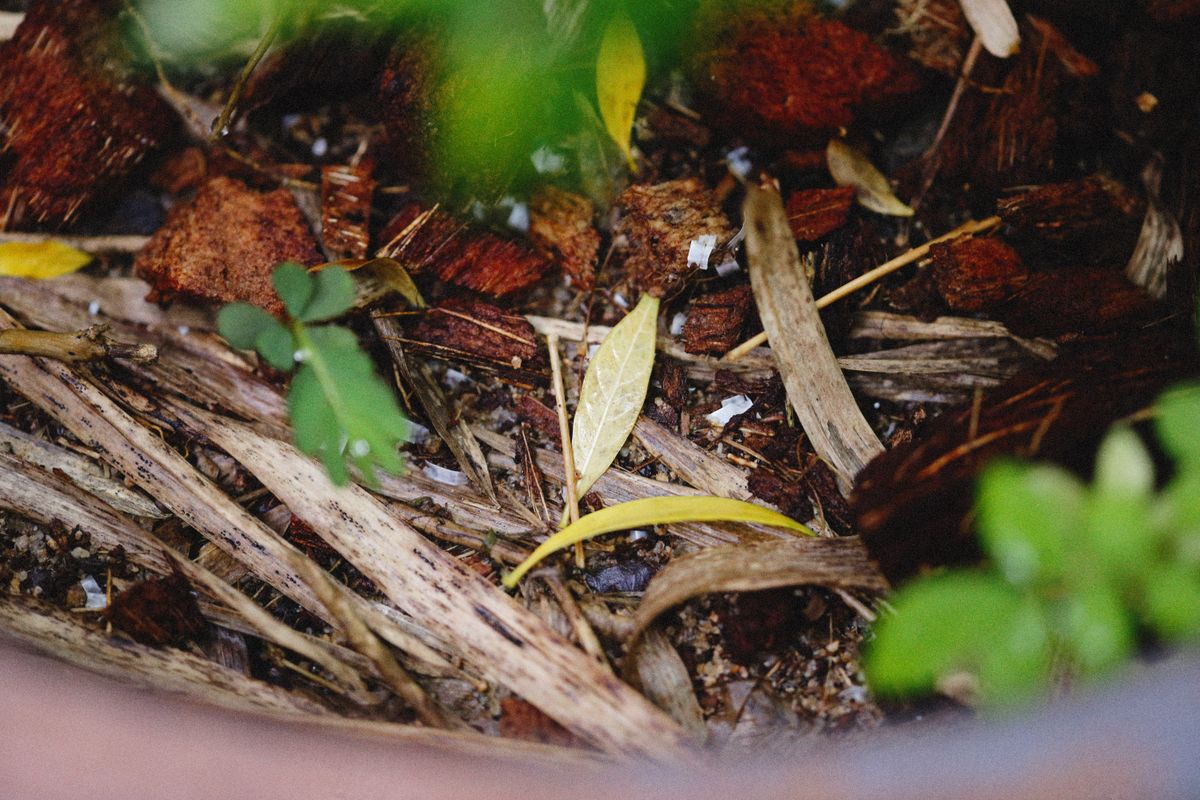
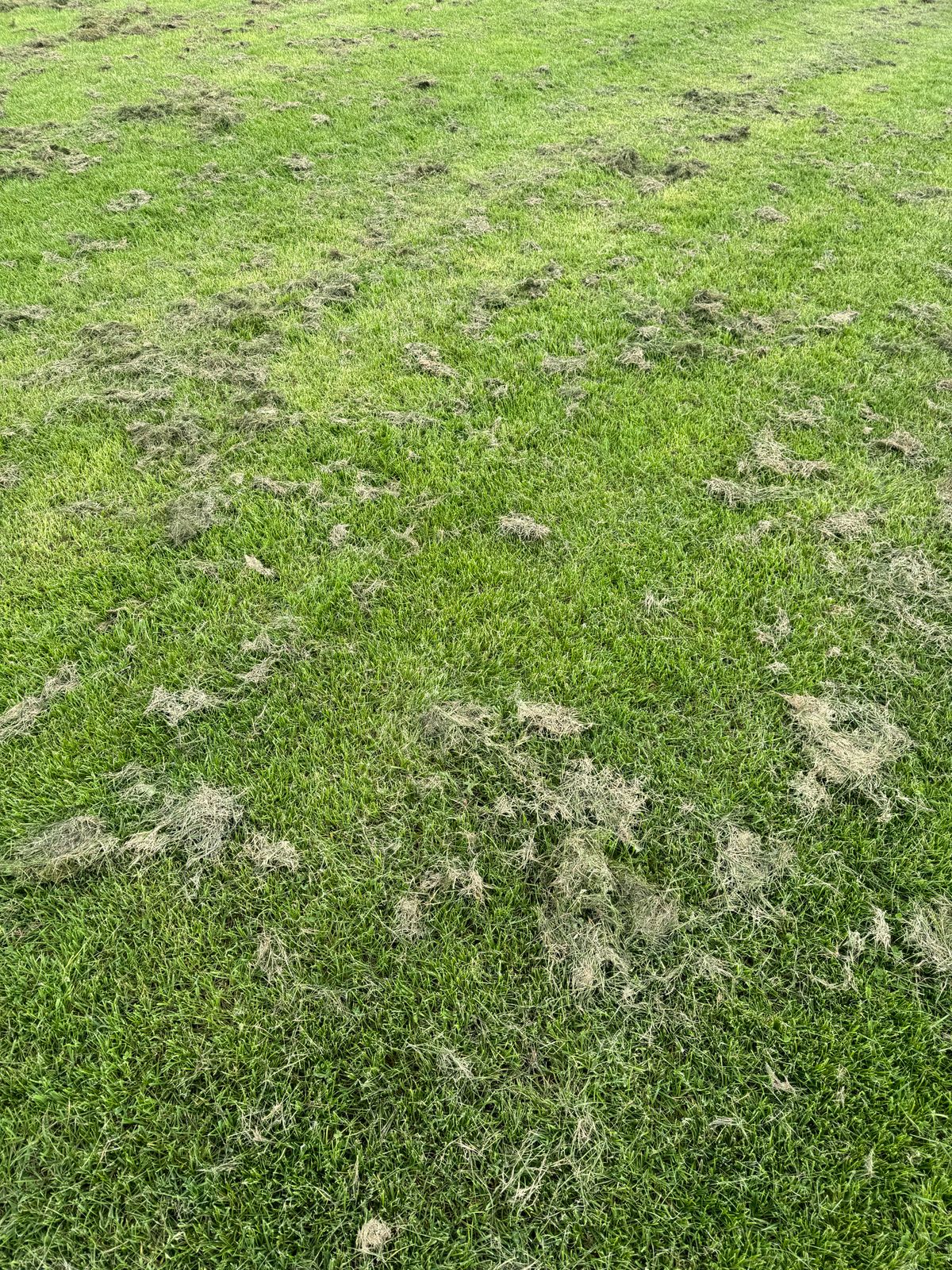
University of Minnesota Extension explains that short clippings can often remain on the lawn. For mulch, it advises thin applications of dry clippings, because wet material can mat together. It also directs gardeners to herbicide label instructions when considering clippings from a recently treated lawn.
Prepare the receiving area
Choose the bed or other appropriate destination before starting the mower. Look at what is already on the surface and how much room is available. A small patch between plants is not an unlimited storage area for the output of a large lawn.
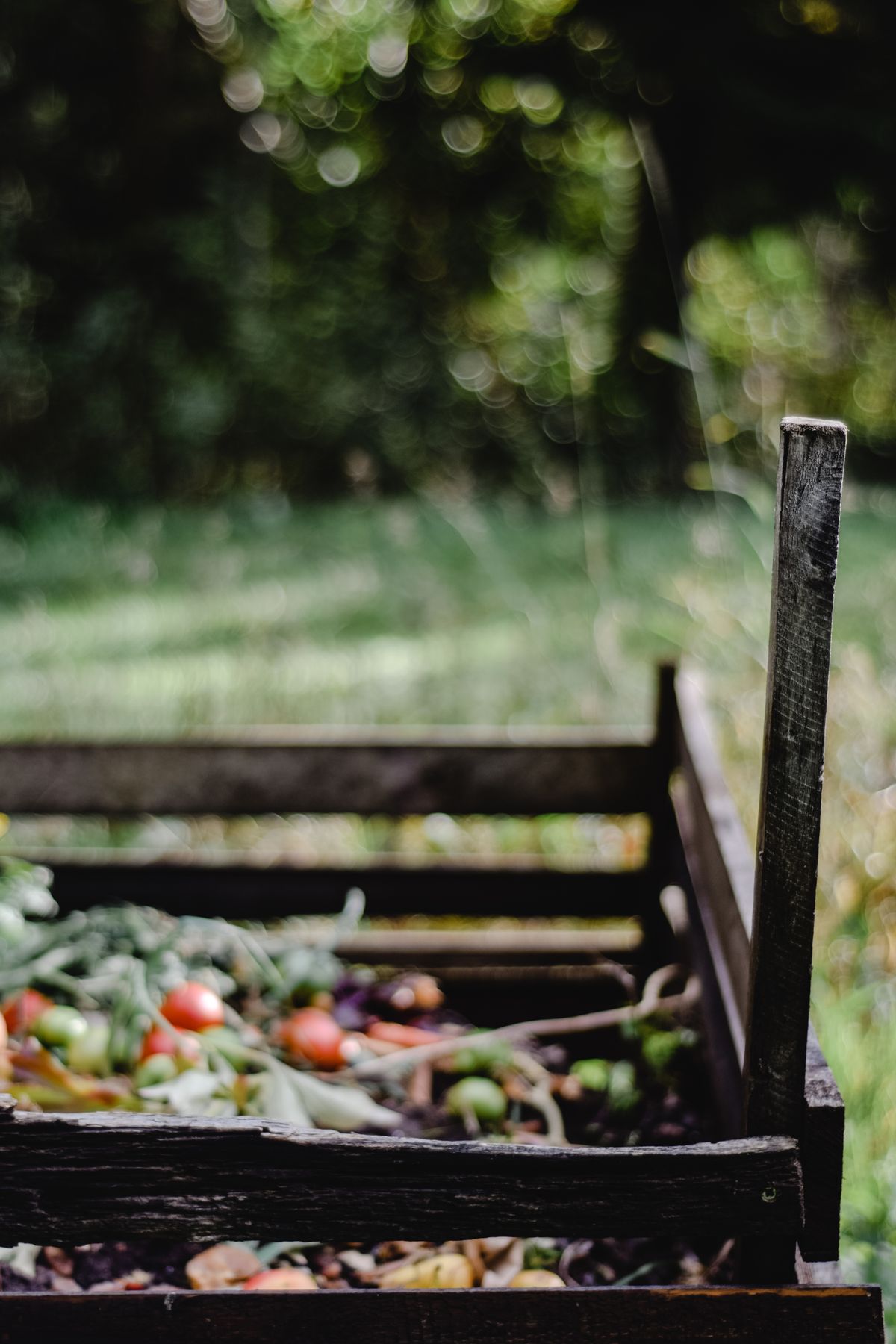
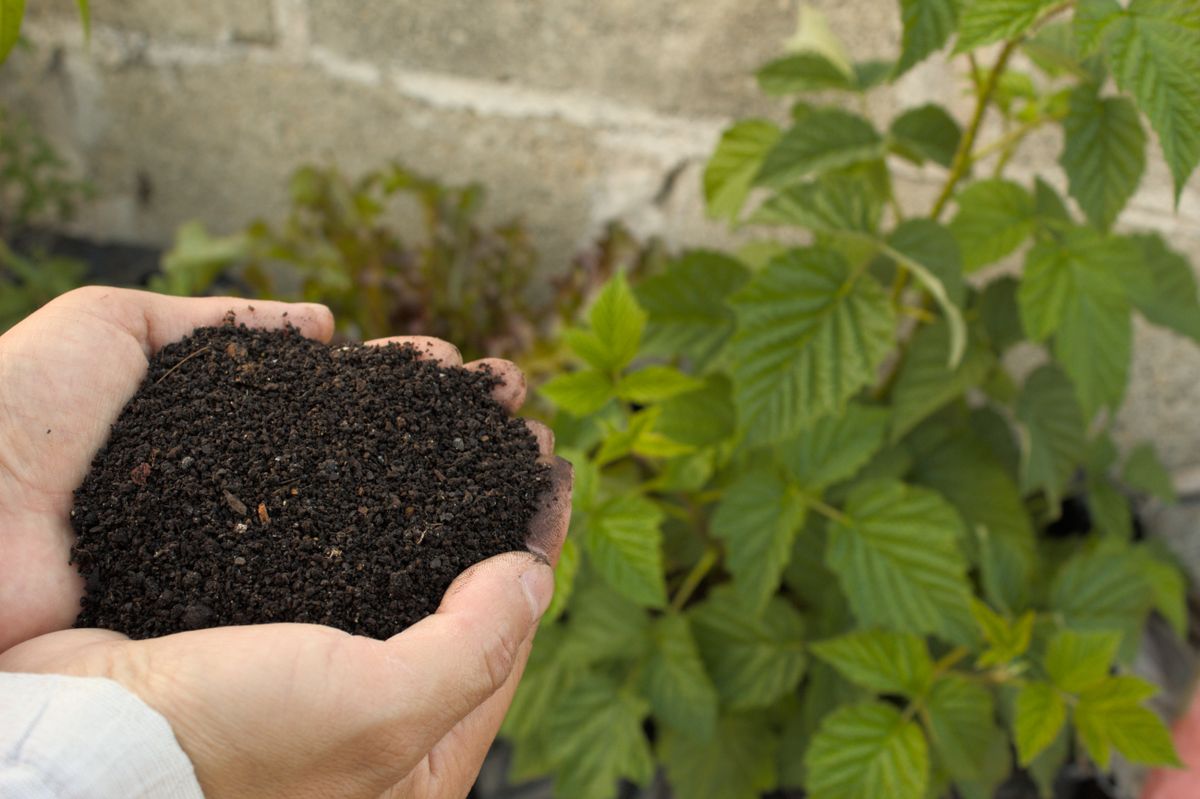
If the clippings are going into your compost system, prepare the suitable dry mixing materials first. Working with smaller additions is easier than leaving a large bagful at the same point every time. Keep the receiving area accessible so that carrying the bag does not become the most awkward part of the task.
After mowing the first section, pause and compare the quantity with your plan. If the amount is greater than expected, arrange another suitable destination. Check your local yard-waste service's rules before setting material at the curb or taking it to a collection facility. Accepted containers and schedules vary by program.
Keep the treatment history attached
Do not assume clippings offered by another household are suitable for your intended use. Ask what was applied to the lawn and when, then consult the relevant product instructions. Keep an uncertain batch separate while you determine its destination. Mixing it immediately with known material removes that useful distinction.
A brief note in a garden calendar can help connect mowing dates with lawn treatments. You do not need a detailed record of every blade of grass. You do need enough information to answer a later question about whether a particular batch should have gone into a vegetable bed or compost pile.
Finish the whole job
Clear spilled material from the carrying route and leave the tools ready for the next use. Follow the mower's shutdown and maintenance instructions before cleaning or approaching its working parts. The last pass across the lawn is not the end of the task if a full bag and scattered clippings remain.
On your next yard check, look at how the applied material is distributed. If a thin application has become several dense clumps, use that observation to change the next addition. Let the receiving area determine the amount, rather than treating a full mower bag as the natural unit for every job.