Autumn can provide more leaves than any one garden area needs. Before collecting everything into a single pile, decide which places must remain clear and where the material could serve a useful purpose. Paths, lawns, planting beds, and a separate leaf-storage area do not all need the same treatment.
Consider the leaves and the location together
Remove litter and other foreign material from collected leaves, and take obvious plant-disease concerns seriously. Seek suitable gardening advice when the source or a specific disease issue is uncertain. Having a large quantity available is not a reason to spread questionable material everywhere. Look at the plants already growing in the intended area and their suitability for a covering.
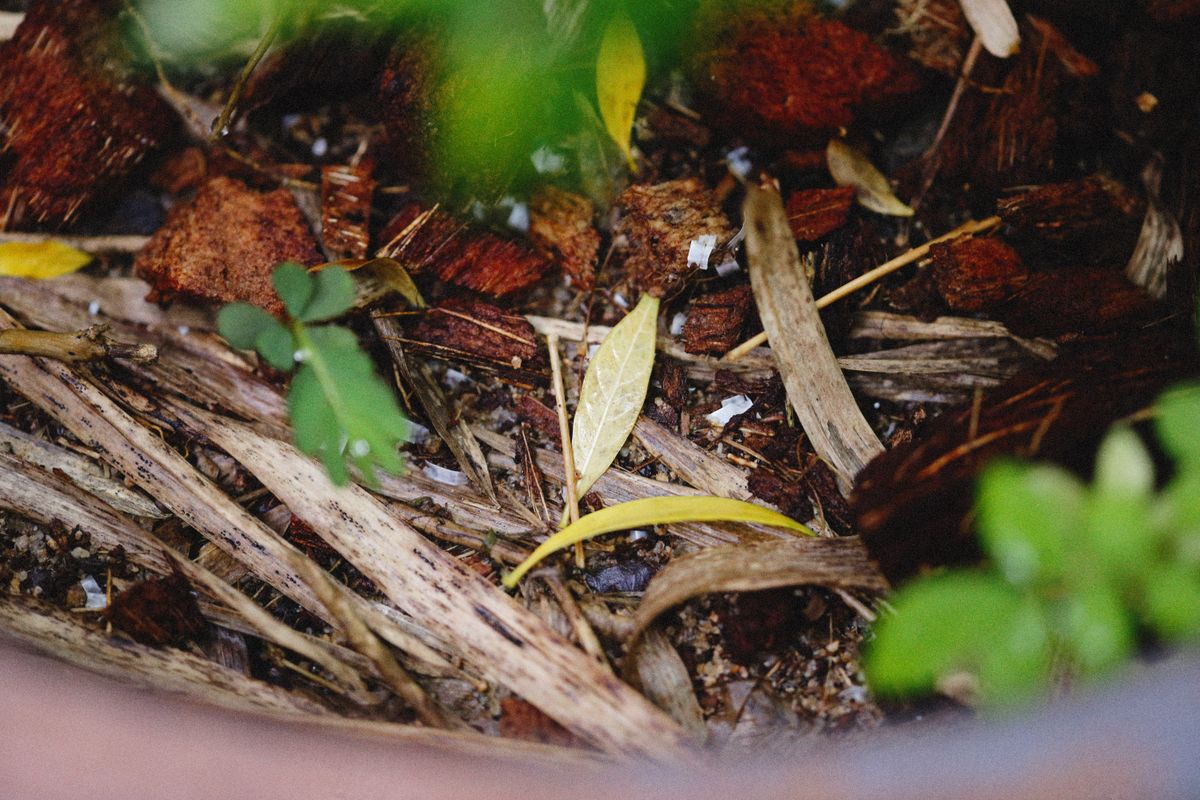
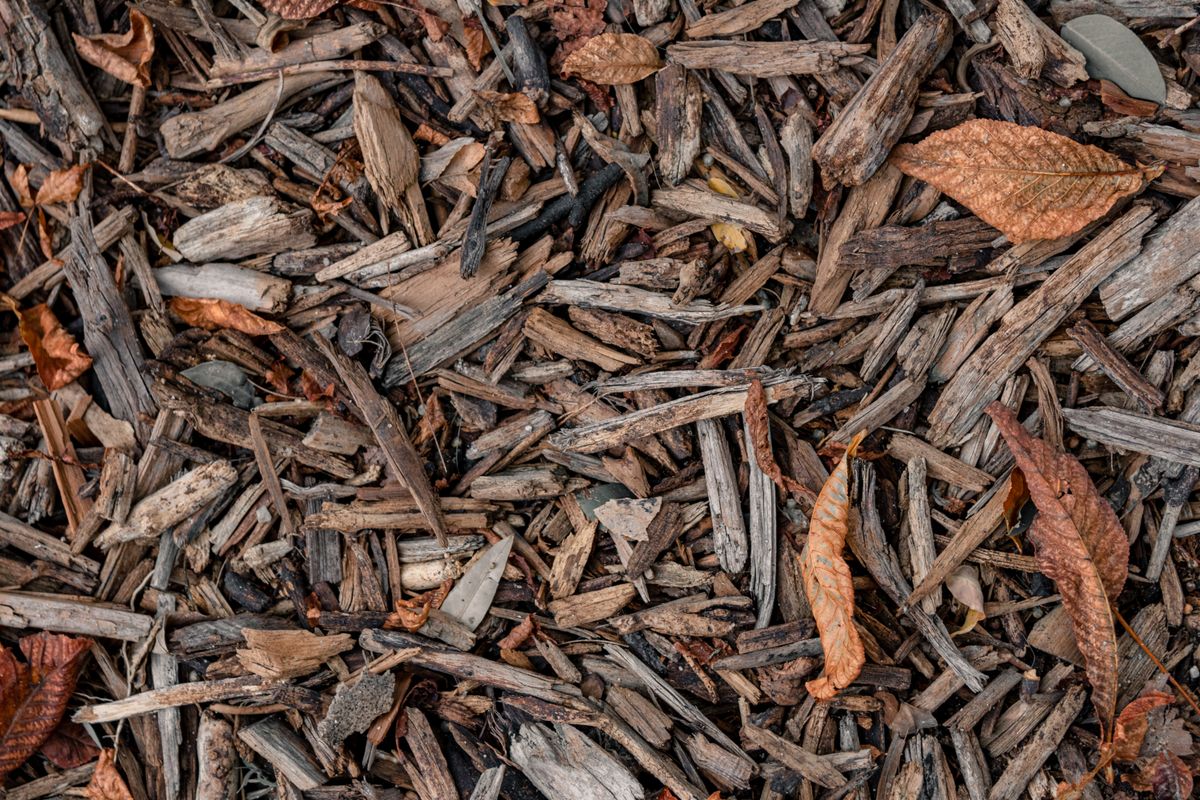
The Royal Horticultural Society describes mulch as a surface covering that can help retain moisture and limit unwanted growth. Its guidance cautions against smothering low-growing plants or piling material against woody stems. These considerations matter more than finding a place for every basket of leaves in a single session.
Start where you can observe the result
Choose a manageable area whose condition you can easily check. Identify vulnerable plants and keep necessary access clear. Distribute material deliberately instead of tipping a heavy pile beside one plant. The area should remain usable for its original purpose, including inspection and routine care.
After rain, check whether the leaves have formed a dense continuous layer that needs adjustment. Wind can move material onto paths or other unsuitable places. Plan a short follow-up visit, especially after the first weather changes. Mulching remains part of ongoing garden care; emptying the final basket does not necessarily complete the job.
Give excess leaves a separate route
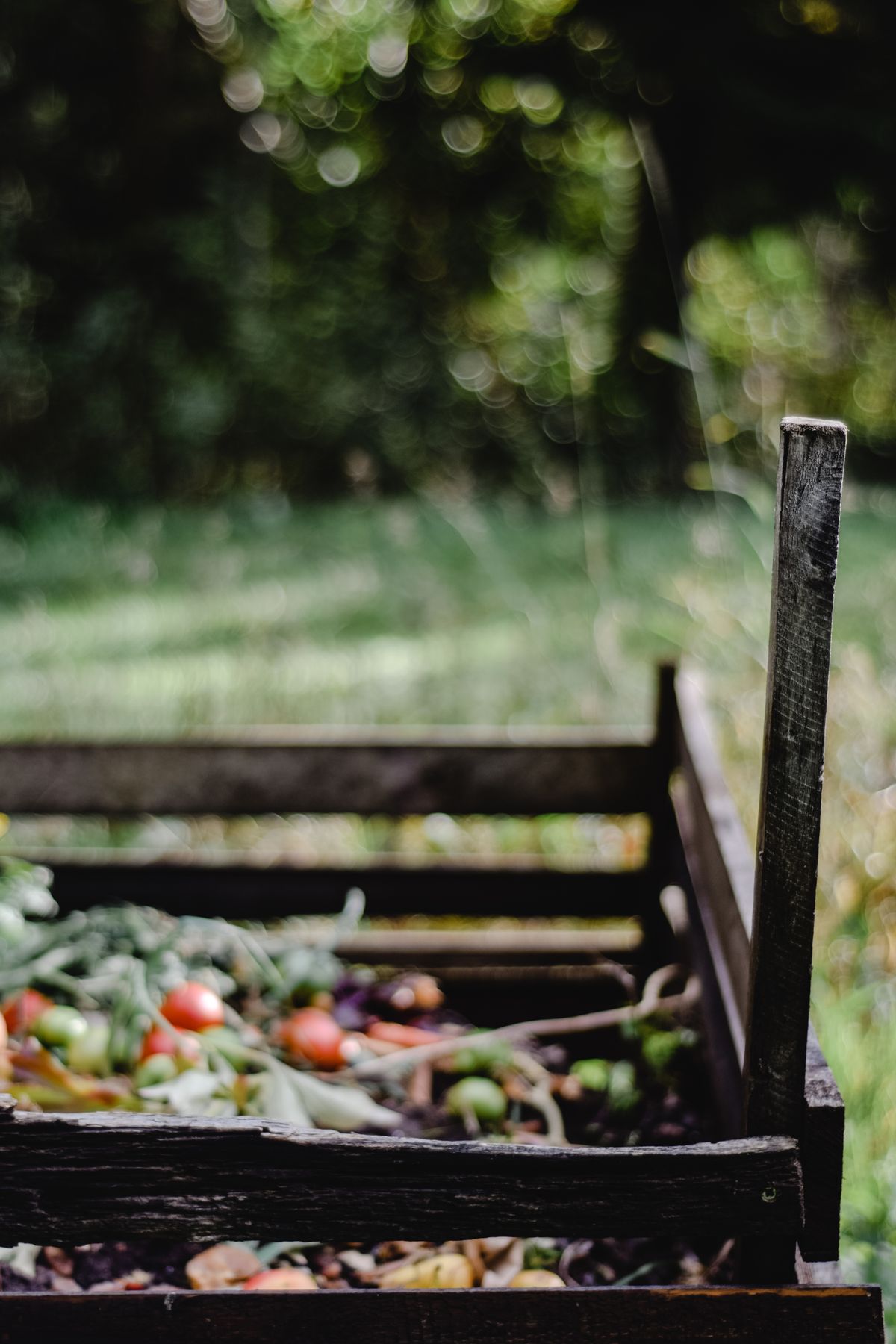
A distinct leaf-mold collection can be useful when you have a suitable place for it. Mark the area so that it does not become a general dumping spot for unrelated waste. If there is no workable use at home, check your local yard-waste arrangements or ask a potential recipient what material they actually want. Confirm acceptance before delivering a load.
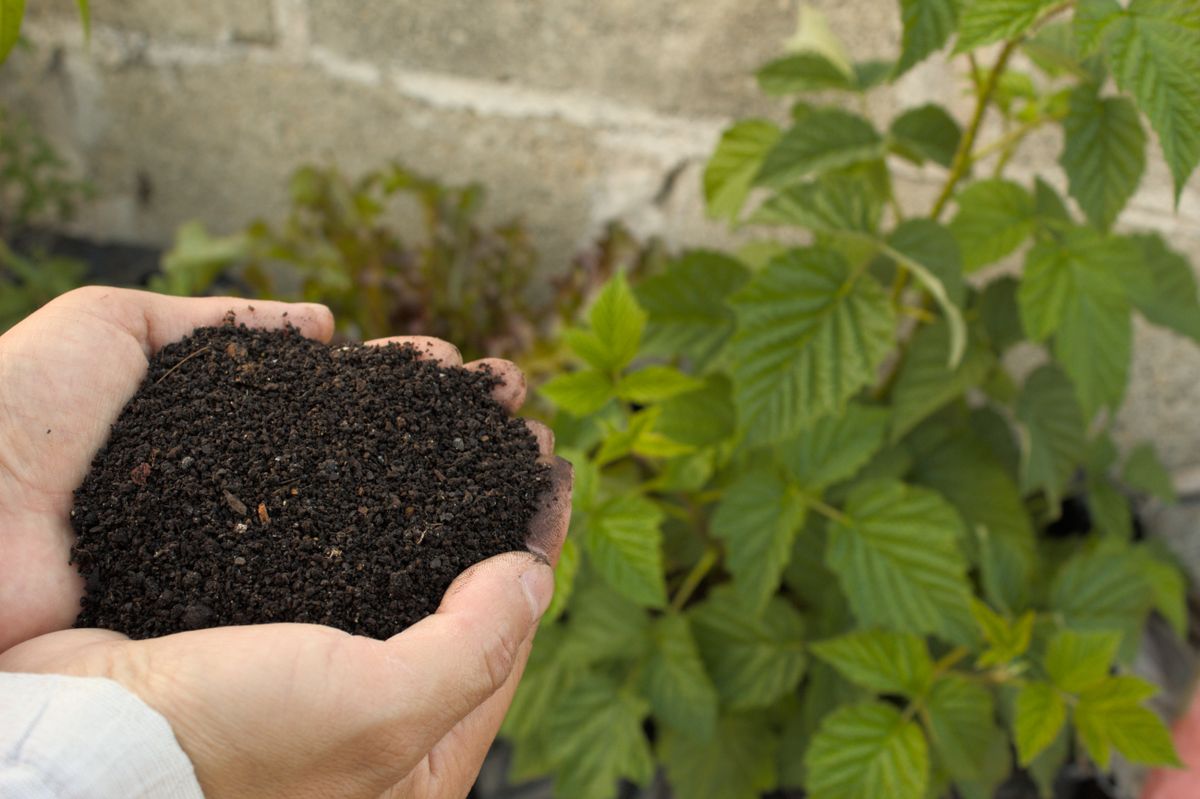
Watch how easy the treated area is to maintain over time. A short note about where the layer behaved well and where it caused difficulty can inform next year's plan. This makes the decision specific to the garden instead of turning leaf management into an all-or-nothing rule. You do not have to remove every leaf or cover every surface to make sensible use of the material already present.