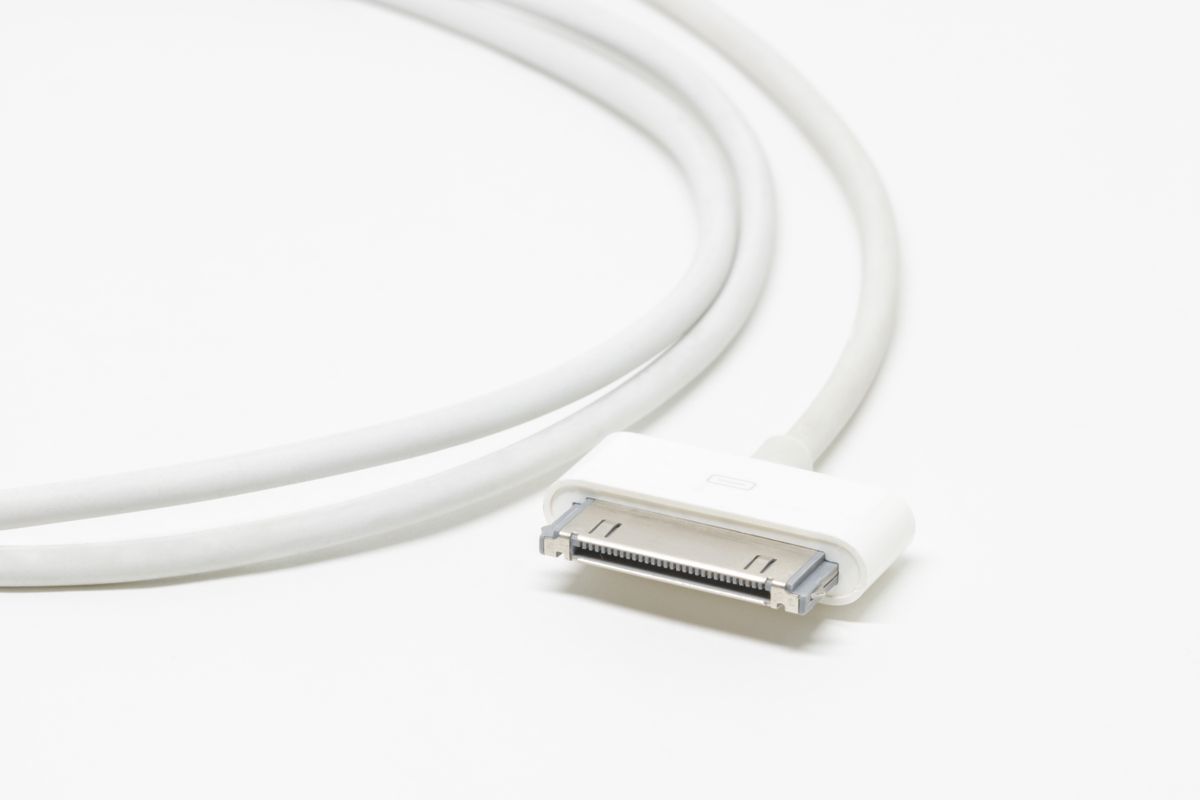
A cable drawer rarely becomes easier to use when another lead is dropped on top. Start with a clear surface and a small group of cables, leaving room to see both ends. The first task is to identify what each cable actually serves, not to make every unknown cable look tidy.
Keep the device connection clear
Label known cables with a device name or a specific function. Similar connectors do not establish electrical compatibility. Do not try an unidentified power adapter on a device simply because the plug fits. Use the equipment's model details and manufacturer specifications to confirm a match.
Keep unusual accessories with the device they belong to. For commonly used cables, choose a limited spare supply that reflects what is still in use. If no compatible device remains, decide whether there is a specific recipient who wants the cable or whether it should go through an appropriate electronics collection route.
Inspect without experimenting
Check cables visually while they are fully disconnected. Damaged insulation, bent contacts, scorching, or another visible defect is a reason to stop using the item, not to perform a trial under load. Electrical repair requires suitable expertise. Wrapping tape around a damaged mains cord is not a general repair method.
Coil sound cables loosely without sharp bends. A reusable tie can keep one lead together, but it should not pull tightly against the connector. Group by use, such as desk equipment, camera accessories, or audio gear. Organizing by color alone may look orderly while doing little to help the next search.
Create a small outgoing collection
Put unwanted cables in a clearly marked place and check which local electronics programs accept them. Some collection services distinguish cords from complete devices or batteries, so confirm before traveling. Do not place a cable in mixed curbside recycling merely because it contains plastic and metal.
When donating a device, include only accessories known to be compatible and in sound condition. A short label identifying the match is more useful than a bag of unidentified adapters. Be honest about anything you have not tested, and do not present uncertain equipment as verified safe.
After the first sort, set a physical limit for the remaining drawer or box. If the space fills again, review whether every spare still has a purpose. A smaller set of identifiable cables is easier to maintain than a large collection whose owners, ratings, and functions have been forgotten.