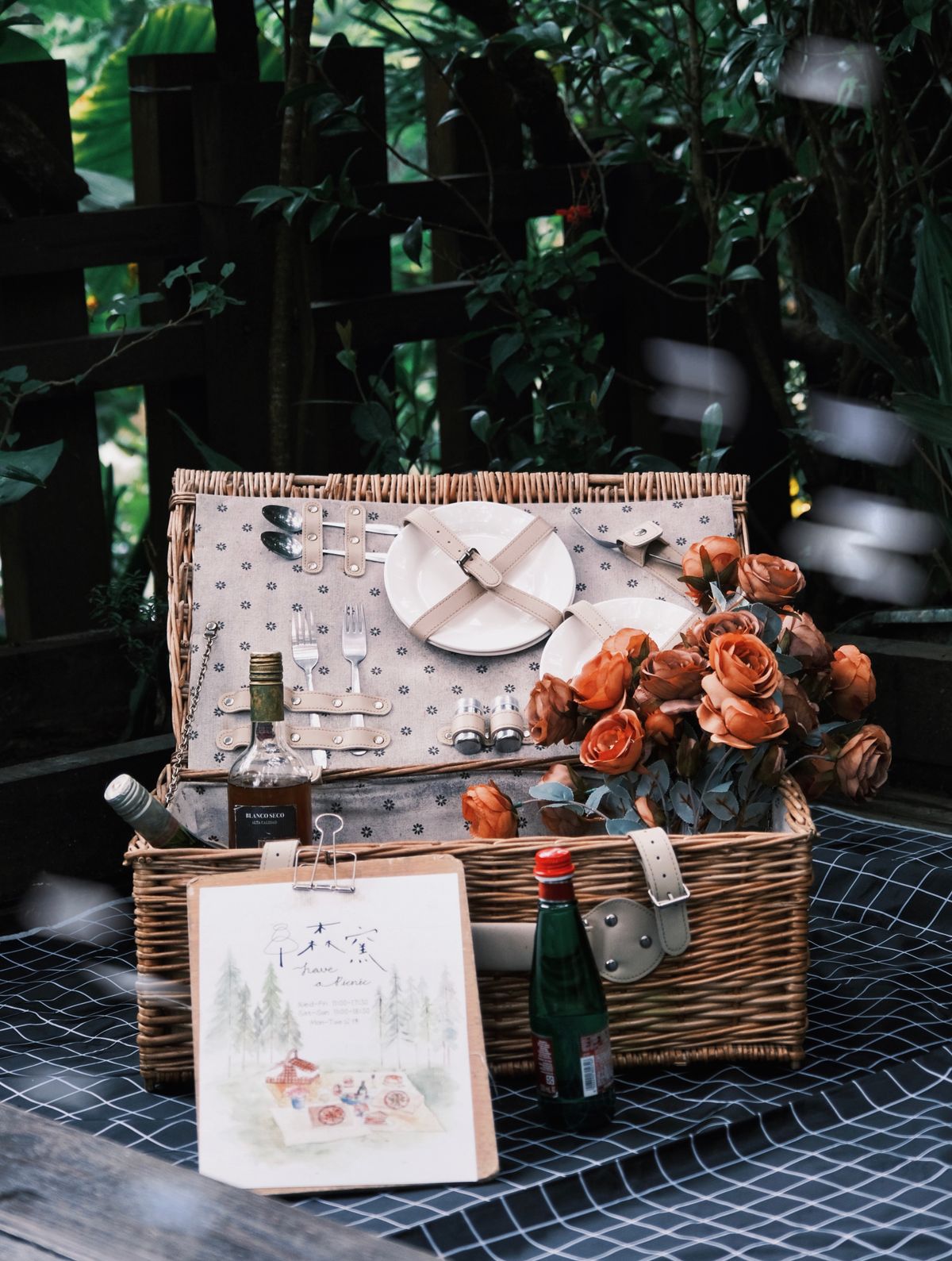
A picnic does not automatically call for a dedicated matching dinnerware case. Suitable plates, cups, and containers already at home may do the job. The important test is whether they can travel together, support the meal, and return for cleaning without becoming an awkward collection to carry.
Start with the food
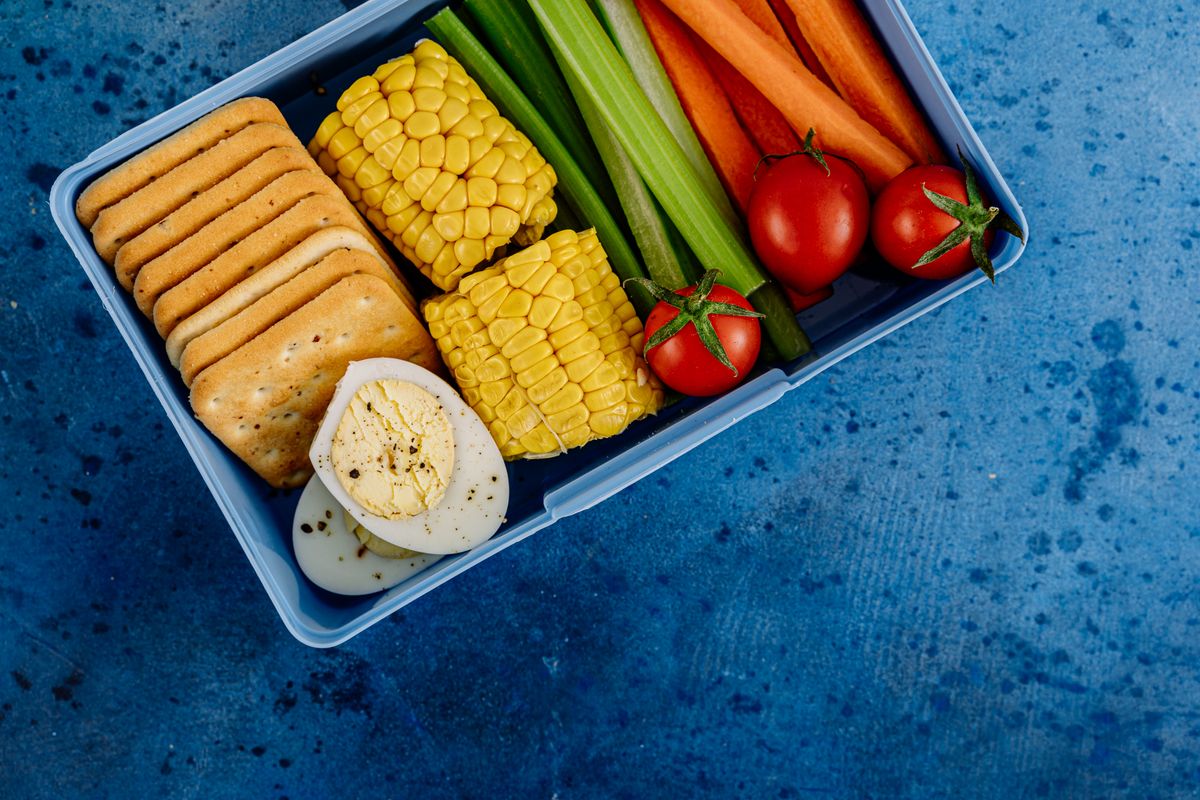
Plan the menu and derive the equipment from it. Prepared sandwiches need different utensils from a salad served in portions at the destination. Consider whether a food container can also serve as a bowl. This can remove a redundant item without complicating the meal, provided the container is suitable for that use.
Count the people actually attending and add only a sensible small reserve. Different-looking cups can make ownership easier to remember. A coordinated set is not necessary. Protect glass carefully if taking it, and check destination rules; fragile items may be impractical or prohibited at some recreation areas.
Give food its own transport plan
Perishable food needs appropriate cooling. USDA's outdoor food-safety guidance emphasizes keeping such foods cold during outings. Apply that requirement to the length of the journey and the conditions. A long walk without suitable cooling calls for a different menu from a short trip with a properly prepared cooler.
Pack containers so heavy bottles cannot crush them. Keep ready-to-eat food away from items that could contaminate it. A clean serving surface and a way to clean hands belong in the plan alongside the picnic blanket. Choose a place where equipment can sit securely without blocking other people's access.
Plan for the return while everything is clean
Carry a separate suitable bag or container for used dishes. It keeps residue away from clean equipment and the inside of the carrying bag. Bring waste back when suitable disposal is unavailable at the destination. At home, unload dishes and transport containers promptly rather than leaving them closed until another outing.
After the first picnic, note what was actually used. A serving spoon may have been missing while several plates never left the bag. Fill that specific gap instead of buying a complete new set. Keep a short packing note with the basket and adapt it to the next menu. Over time, the kit can reflect real outings and available storage rather than every accessory a picnic might theoretically involve.