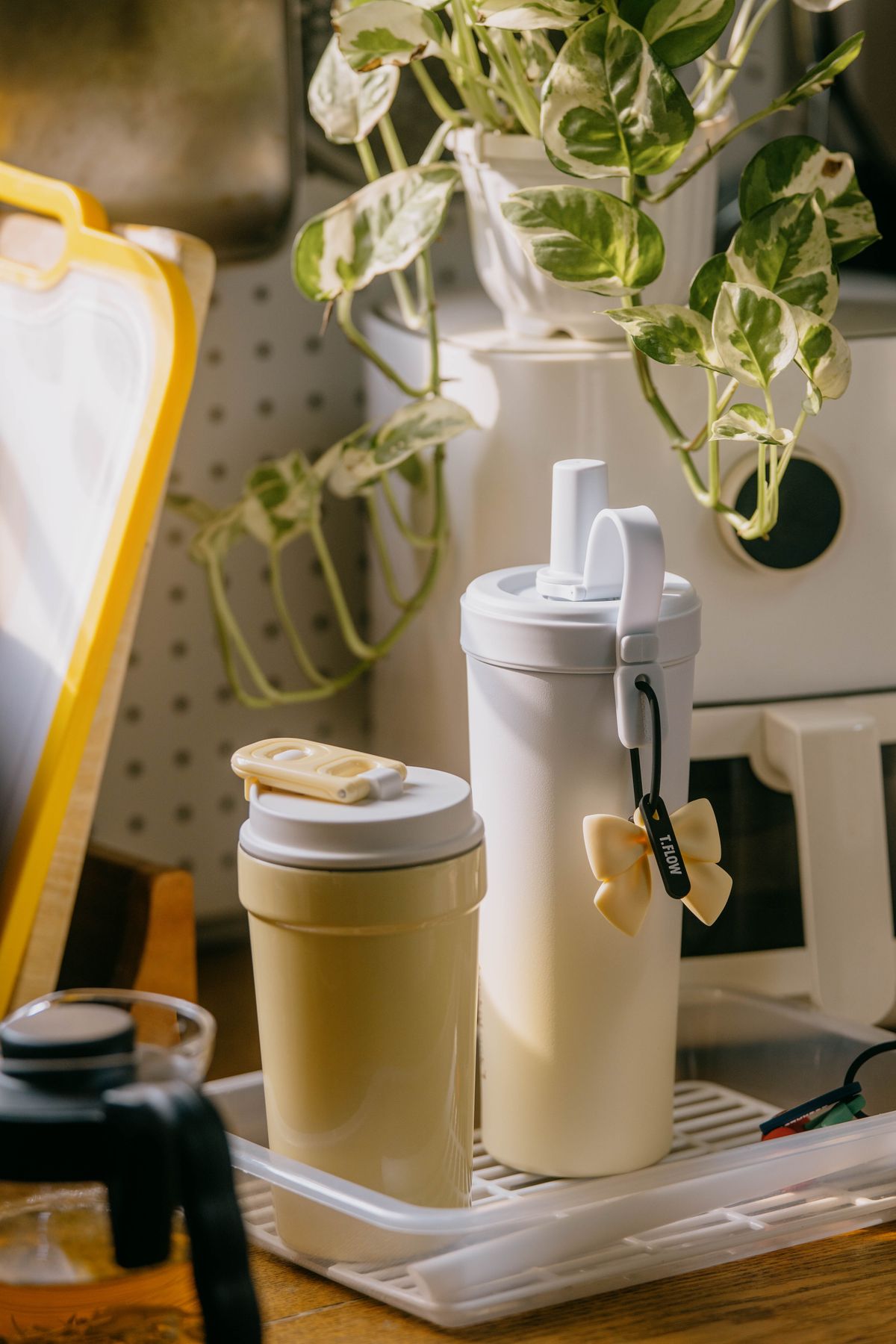
A travel mug can work perfectly in a cup holder and still be awkward in a backpack. The lid often explains the difference. A sliding cover, narrow drinking channel, or complicated valve affects both use and cleaning. Examine those details as carefully as the advertised insulation performance.
Start with the journey
If you carry the mug in your hand, a comfortable grip and accessible drinking opening may matter most. Carrying it inside a bag requires a design intended for that position. Splash resistance and leak resistance are not interchangeable guarantees. Read the manufacturer's intended uses and exclusions for the exact model.
Measure the space in your bag, vehicle cup holder, or beneath your coffee machine. Include handles and the movement needed to open the lid. A larger capacity is not always useful if you normally order a smaller drink. It may simply mean carrying a larger object and a small leftover amount for longer.
Follow the lid's cleaning route
Look at which parts the instructions allow you to remove. Can you reach the drinking passage, lift out the seal, and dry the components after washing? A care diagram often reveals more than a photograph of the closed mug. A part that cannot be reached or replaced is a real ownership limitation.
Check separate washing instructions for the body and lid, along with restrictions on drink types. Do not infer dishwasher suitability from the material alone. Germany's Federal Institute for Risk Assessment discusses smooth, readily cleanable surfaces and following manufacturers' instructions for reusable coffee cups. Those design considerations also help when comparing products sold in the United States; they do not constitute a certification for a particular mug.
Check assembly before packing
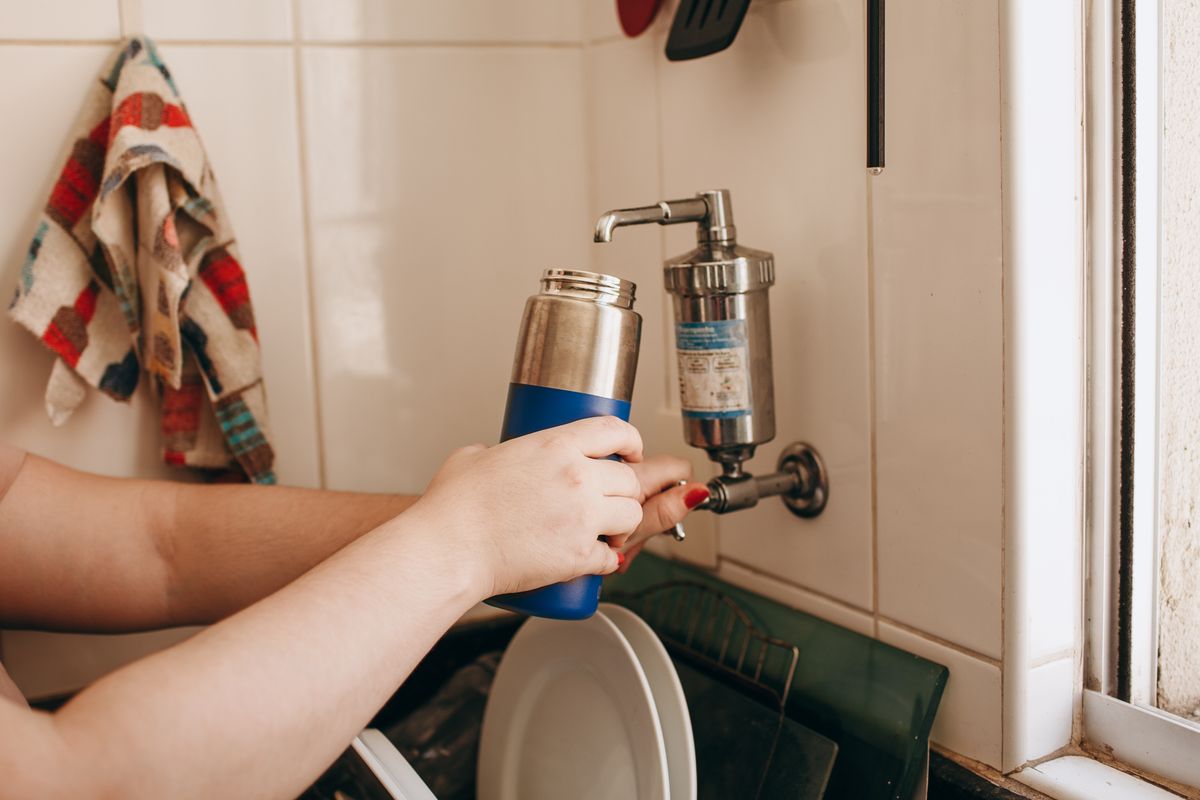
After cleaning, cold water over a sink can help reveal an obvious drip from an incorrectly assembled lid. That household check does not establish approval for hot drinks or sideways transport. Look for a twisted or pinched seal, and follow the maker's assembly sequence rather than forcing parts into place.
Bring a clean, empty mug when asking a café to fill it, and follow the shop's procedure. Some locations have size or handling requirements. At home, empty it promptly, remove the permitted parts, wash them, and let everything dry before storage. One mug with an easy cleaning routine can be more useful than a collection whose lids all require different care and replacement parts.