Many households own enough shopping bags and still buy more at checkout. The missing element is often the return journey after unpacking. A bag stays beside the kitchen counter while the next grocery trip begins somewhere else. A useful storage system follows your movements rather than simply gathering bags in one cupboard.
Notice where shopping starts
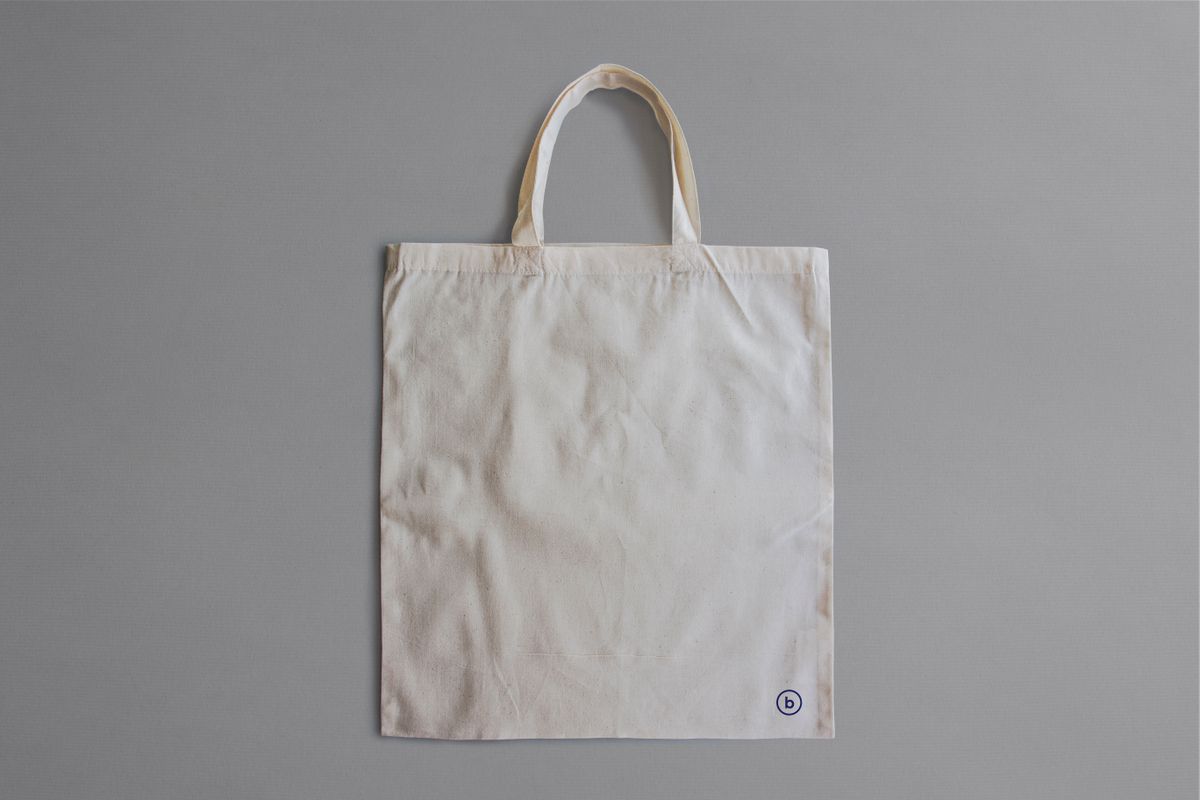
Do you shop on the way home from work, after an appointment, or on a dedicated trip from home? A small folding bag in your everyday backpack may cover unexpected purchases. Larger planned shops may need sturdier totes. Put each type where it is reachable on the route for which it is intended.
A bag stored in the car helps only when the car is part of the trip. If you frequently walk, use a reachable hook or an existing basket near the exit. Keep doorways and walking routes clear. The arrangement should make leaving easier, not create another loose pile to step over.
Finish the unpacking process
Empty bags completely, including small pockets holding receipts or forgotten groceries. Inspect for spills and dirt. Bags needing cleaning should have a separate temporary location and return to service only when clean and dry. Follow the relevant care instructions; a coated tote and a plain cotton bag may require different treatment.
Fold bags so the ones you use most are easy to remove. A tightly bundled stack of ten bags is inconvenient when you need one. Keep a rarely used oversized tote behind the everyday bag instead of giving every piece equal prominence. The goal is quick access, not a perfectly uniform display.
Let use determine how many stay
Over several weeks, notice which bags actually leave the house. Every promotional tote does not need to become a permanent reserve. Intact extras can be offered to someone who wants them. Conversely, a useful bag with one repairable seam does not need replacement merely because a newer design looks appealing.
For heavier purchases, sound handles and a suitable capacity matter more than decoration. Respect the bag's intended load and contain fragile or leak-prone groceries appropriately. EPA's reuse guidance encourages making continued use of existing items. For shopping bags, the practical expression is a small cycle: carry, empty, inspect, clean when needed, and return to the next departure point. A bag waiting in the correct place is more likely to work than an extensive collection stored out of reach.