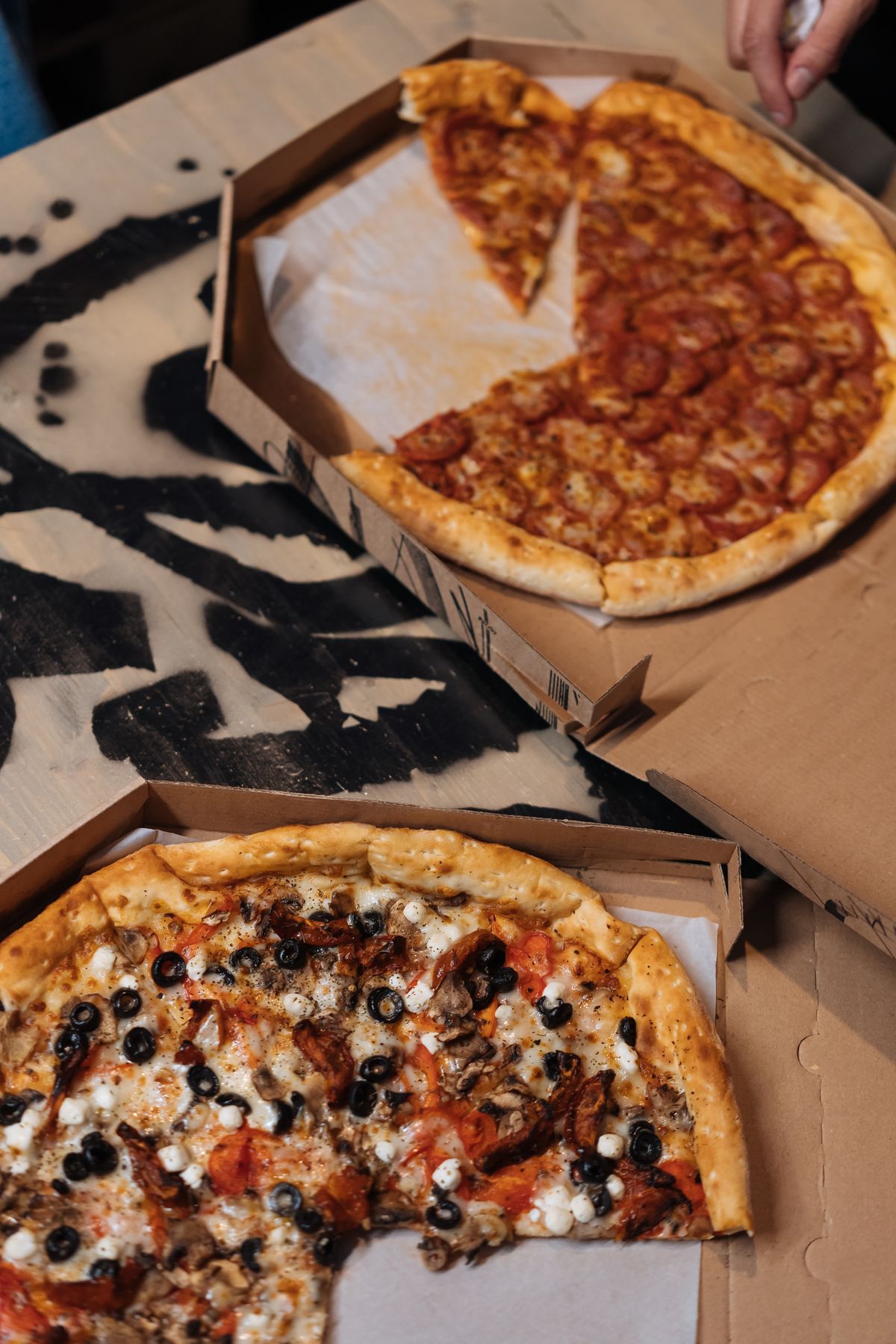
Pizza-box rules are a good reason to read local guidance rather than rely on a universal recycling slogan. A box may have a clean lid, a stained base, and loose food still inside. Programs can handle those conditions differently, so look for pizza boxes specifically on your provider's accepted-materials page.
Remove everything that is not the box
Start with leftover pizza, crumbs, liners, small plastic supports, and condiment packets. Each has its own destination. Closing the lid does not make those items part of the cardboard. If several people are clearing the table, agree that food is handled before the empty box reaches the collection area.
EPA's general recycling guidance points readers to local programs because acceptance depends on the area. Ask whether grease stains are allowed and whether heavily soiled sections must be removed. Do not assume that a rule quoted for another city applies to your cart, or that an industrial composting label on a related product describes your food-scrap service.
Separate only where it helps
If the program asks you to separate a clean lid from a dirty base, tear along the fold carefully. The aim is to keep suitable material in the right stream, not to create a perfectly shaped sheet. Avoid handling soft, wet cardboard more than necessary. Check any compost collection rules independently before placing soiled paper there.
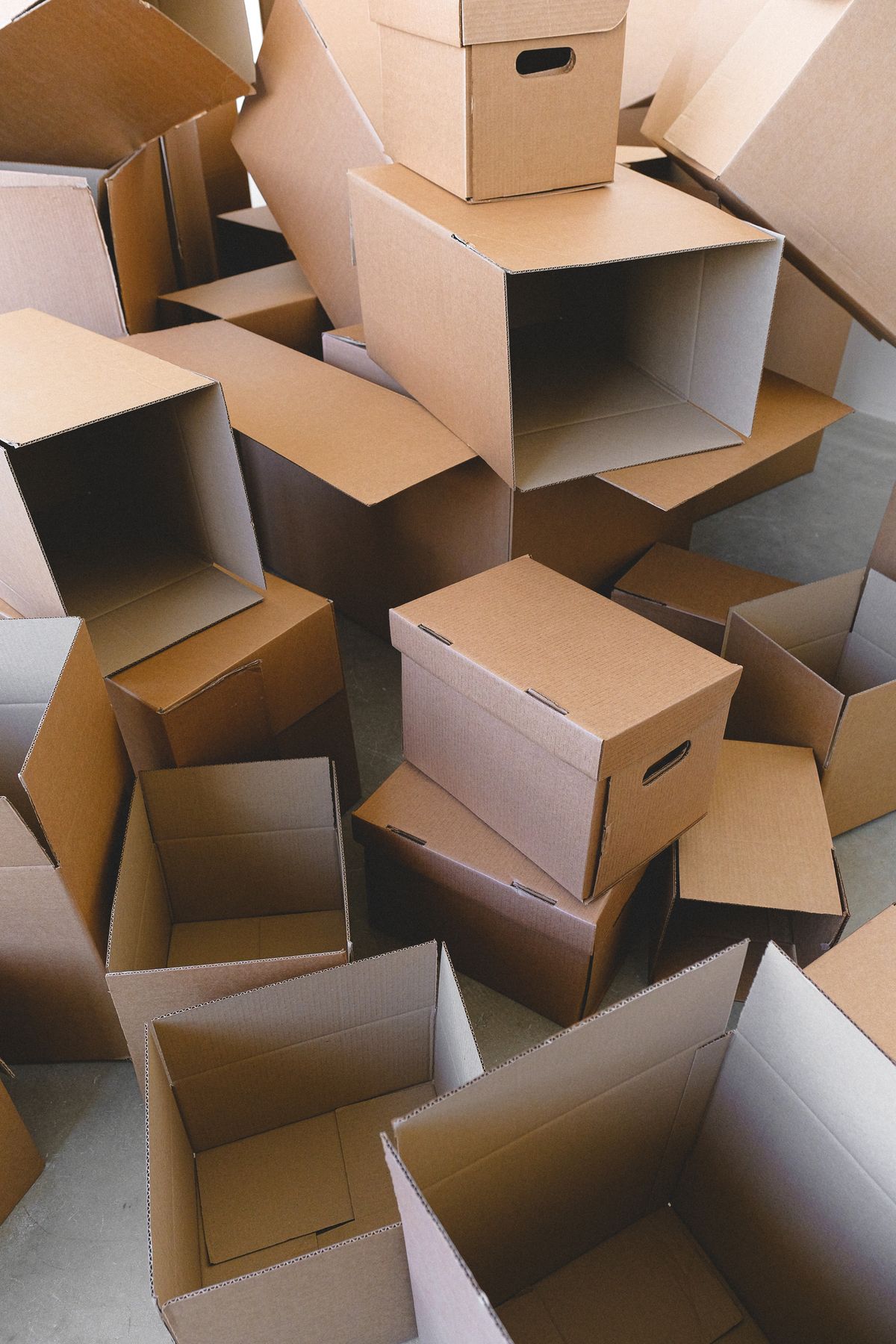
Do not stack several boxes together while sauce or cheese remains on the surfaces. Residue can spread to previously clean sections. A quick check as each box is emptied is easier than sorting a stuck-together pile later. Flatten accepted cardboard according to the provider's size and placement instructions.
Notice what the order leaves behind
For a shared meal, a short note about how much food was actually eaten can improve the next order. Choosing an appropriate quantity matters alongside the packaging decision. Ordering extra simply because a bundle appears convenient may create both uneaten food and more boxes.
Store saved food promptly in suitable containers using safe food-handling guidance. A large delivery box is awkward in a refrigerator and should not stand in for an appropriate storage plan. Once the food has been dealt with, the empty packaging is a much clearer decision. Keep one concise local instruction near the recycling spot if pizza is a regular meal, and update it when your collection service changes its guidance.