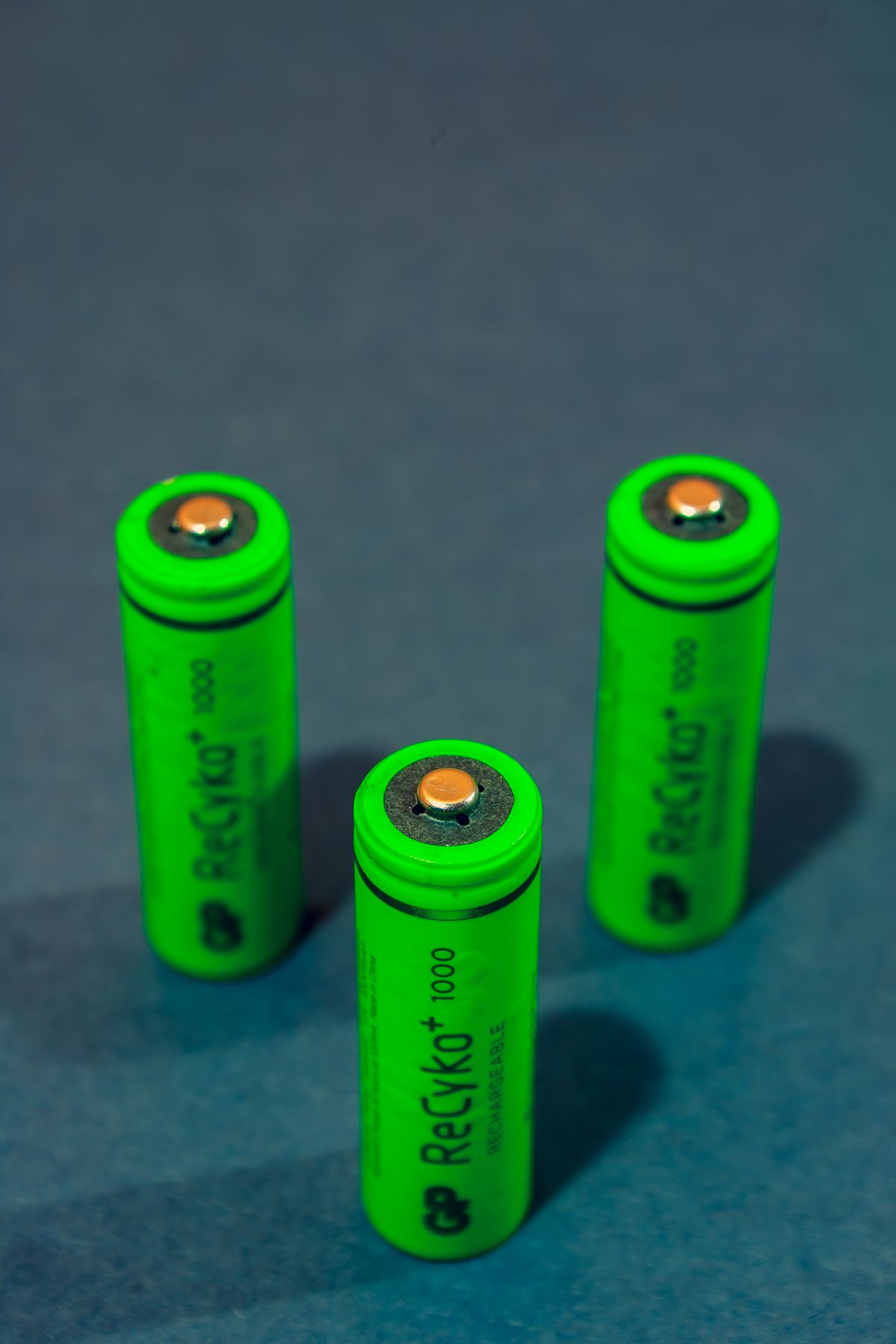
A new pack of rechargeable cells is not useful if the intended device does not support them. Start with the battery compartment and the device manual. Size, electrical requirements, and permitted battery chemistry all need to agree. A cell fitting into the space is not a complete compatibility check.
Begin with one regularly used device
Choose a device whose batteries you replace frequently and whose instructions allow a rechargeable option. Record the model, the number of cells required, and the exact requirements. For safety-related equipment, follow the specified battery guidance rather than substituting a similar-looking cell.
Check whether you already own a suitable charger. Its supported chemistry and cell format must match the batteries. A slot that accepts a battery does not prove that the charger can charge it. Never attempt to recharge a single-use battery, and follow the directions supplied with both the cells and the charger.
Think about the complete setup before comparing pack sizes. A charger, compatible cells, and a clear storage arrangement are more useful than a large discounted assortment. Avoid buying several types before you know which ones your actual devices need.
Make ready and used cells distinguishable
Where a device uses several cells together, keep appropriate sets together as its instructions require. Give charged cells one identified storage position and cells awaiting charging another. Use suitable protective storage so terminals cannot contact loose metal objects. Do not leave unprotected batteries rolling around a drawer with keys and screws.
A short record can connect each device with its battery type and charger. A photograph of the markings plus a recognizable device name may be enough. You do not need a complex charging spreadsheet if a simple routine stays reliable. Never test a battery by deliberately shorting its terminals.
For equipment used only occasionally, check the battery maker's storage and maintenance instructions. Review readiness before a planned trip or seasonal use rather than assuming that a set left for months will perform as expected. Discovering the condition of a flashlight during an outage is inconvenient regardless of its battery type.
Plan the exit route as carefully as the purchase
EPA guidance says rechargeable batteries should not go into household trash or municipal recycling bins. It identifies specialized recyclers, participating retailers, and local household hazardous waste programs as possible collection routes. Check the actual program's accepted types and preparation requirements before leaving home.
Remove visibly damaged or abnormal cells from the ordinary charging routine. Contact the manufacturer or an appropriate collection service for handling instructions, especially for damaged lithium-ion batteries. Do not pry open a sealed battery pack or remove a built-in battery that is not user-serviceable. A permitted replacement procedure is different from dismantling the product.
Keep batteries awaiting collection clearly separate from usable ones. After a few months, review the system: are charged sets available, is the correct charger easy to find, and do retired cells reach collection promptly? Expand to other compatible devices only when that small routine works. The value lies in repeated, appropriate use rather than the number of rechargeable batteries stored in the house.