A refill-store visit begins with two questions: what do you actually need, and how does this particular store handle filling? Shops may accept different containers or use different procedures for recording their empty weight. Clarify the process before planning a large first purchase.
Look at open supplies at home. Buying a new large quantity is not useful if an older package remains hidden behind it. Write a target amount in a unit you can use while shopping. For an unfamiliar food, a small trial quantity may be more useful than filling a large jar with something you later discover you dislike.
Match containers to contents
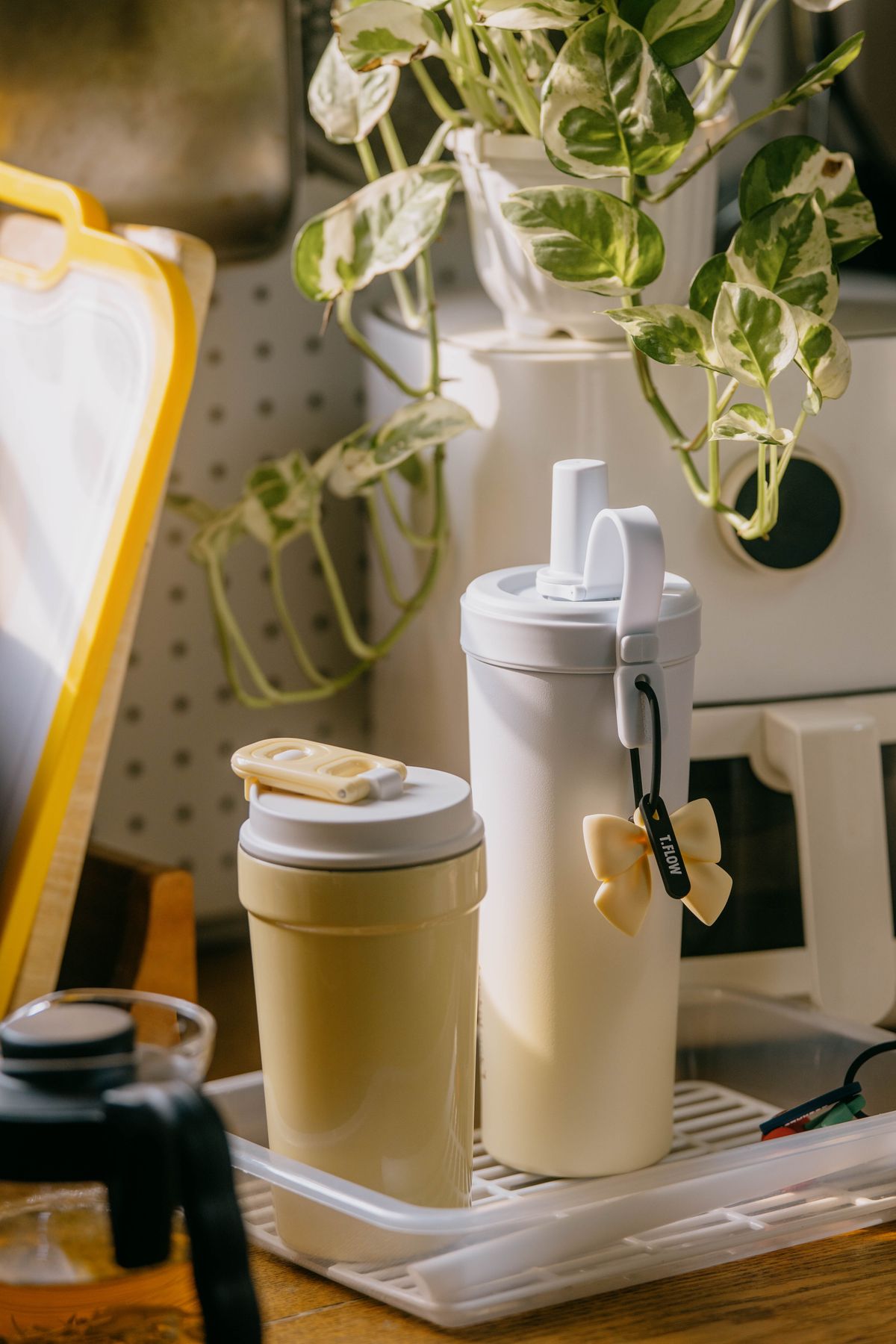
Dry foods and liquids may need different vessels. Check food-contact suitability, closure, and the weight of the filled container. A heavy glass jar may work well in a pantry but be inconvenient on a long walk. The container should be cleanable throughout and able to dry before filling.
Do not bring containers with residue from another product. Keep food vessels clearly separate from those used for cleaning products. Matching storage containers should not create uncertainty about which contents belong where. Retain product identification and any storage instructions you will need at home.
Have these details ready in the store:
- The product and an approximate quantity.
- A clean, suitable container with its proper lid.
- A question about how empty-container weight is recorded and deducted.
- A way to keep the product name and necessary instructions associated with the purchase.
Follow the shop's filling process
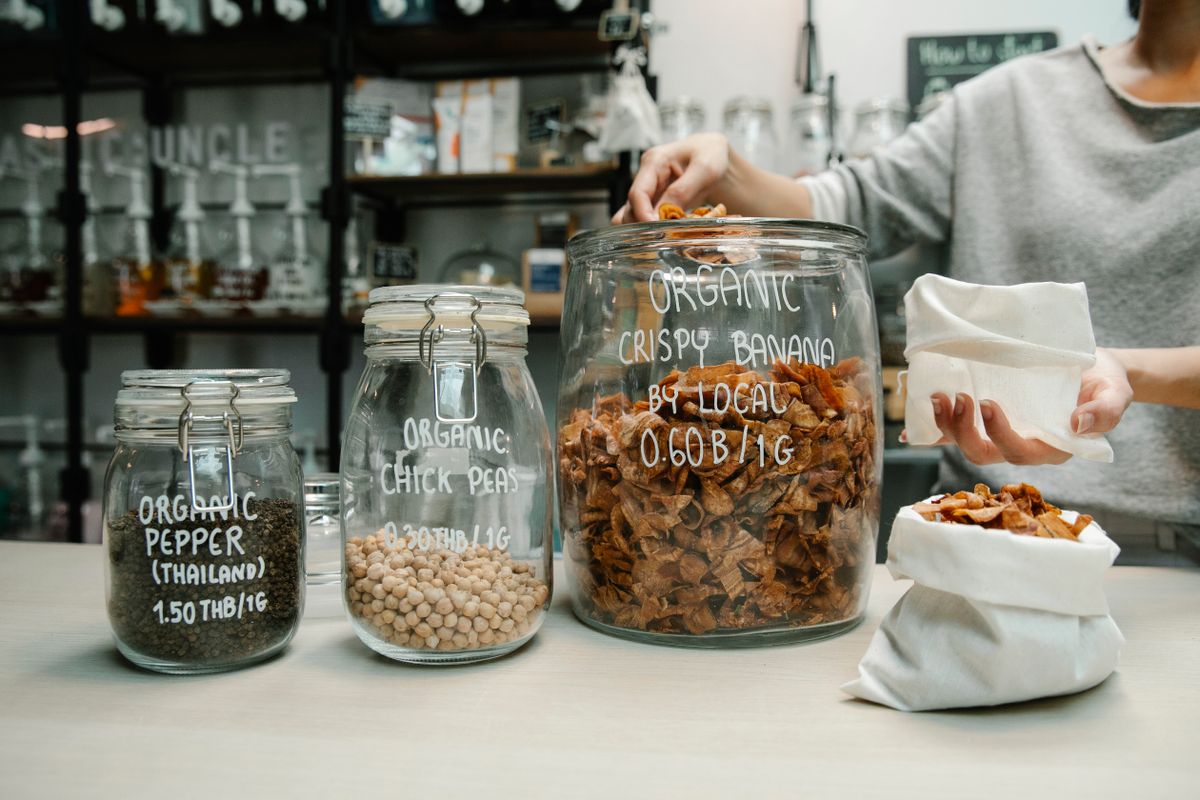
Use dispensers, scoops, and scales as directed. Do not put personal utensils into a store's supply without permission. If something spills, tell staff instead of returning it unnoticed. For allergies or other specific requirements, ask about the business's actual handling information; an open display alone establishes nothing about possible contact between products.
Compare prices using equivalent units, and do not buy extra solely because the jar still has room. At home, store the contents together with the information needed to identify and use them. The next visit can then reflect actual consumption. If one container or quantity proves awkward, adjust that part of the process before buying more specialized equipment. A manageable first visit teaches more than trying to replace every packaged product in a single trip.