A plate over a bowl, a fitted lid, and a waxed cloth can all cover food, but they do not do the same job. The useful choice depends on the food, its storage needs, and whether the container will travel afterward. Start with the task rather than the appearance of a complete matching set.
Try an existing lid first
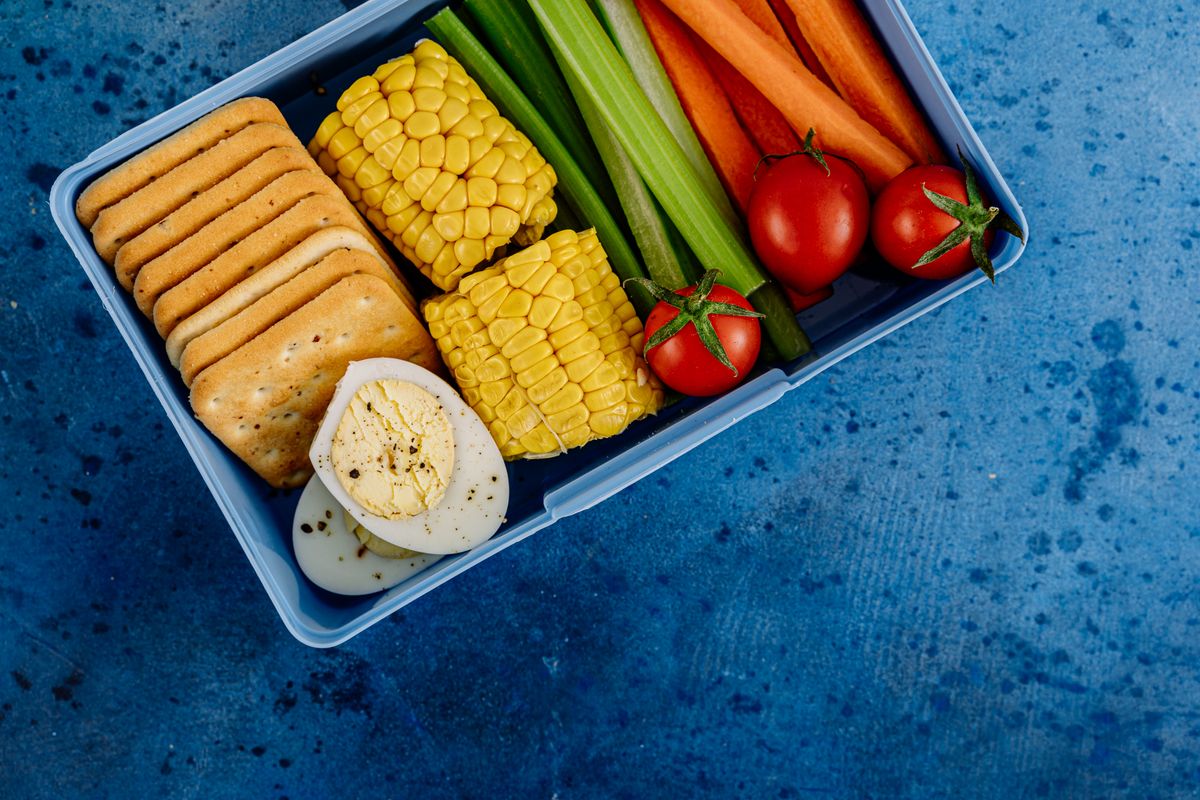
A suitable lid may be enough for a bowl that stays in the refrigerator. It should sit securely and protect the contents. A loose covering is not a leakproof transport closure. If the meal will go to work in a bag, transfer it to a container intended for that use or use its proper secured lid.
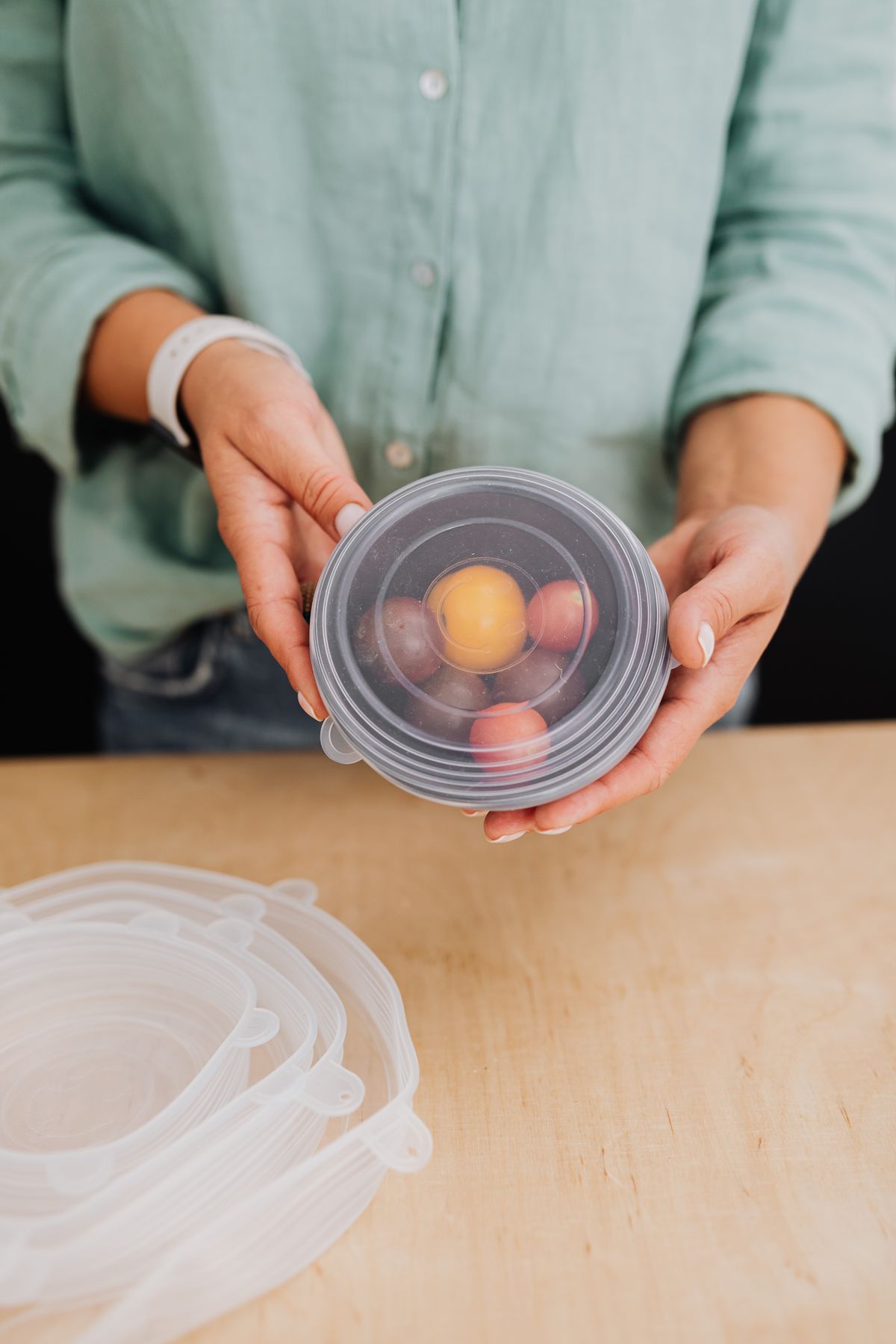
Stretch covers need to fit the vessel's shape and size. Excessive stretching can make them difficult to handle, while a loose cover may slip off. Read the particular product's directions for food contact, dishwashing, freezing, and heat. The words silicone or fabric do not provide all of those permissions by themselves.
Recognize the limits of waxed wraps
Cleaning temperature is an important distinction for beeswax wraps. Germany's Federal Institute for Risk Assessment advises against contact between reusable waxed wraps and raw animal foods because the coating prevents sufficiently hot cleaning. Suitability for fatty foods also depends on additional ingredients in the coating. These material considerations are useful when assessing wraps sold in the United States, without treating the guidance as a certification of any particular product.
Choose a wrap with clear intended uses and follow its care directions. Decorative cloth coated at home is not automatically suitable for food contact. Unknown dyes, treatments, and added ingredients introduce questions that a pleasant appearance cannot answer. Where the intended use is unclear, choose a suitable conventional food container instead.
Include cleaning in the decision
Remove residue promptly and clean each cover as instructed. Let it dry before folding or stacking. Creases, grooves, and elastic edges deserve attention because food can remain there unnoticed. If a surface becomes damaged or cannot be cleaned adequately, reconsider its food-contact role rather than continuing solely to avoid discarding it.
Begin with one frequent task, such as covering a particular mixing bowl. That reveals whether the item really fits and replaces something disposable. A collection of different shapes is useful only when those shapes have actual jobs. Finally, a cover does not establish a longer safe storage time. The food's preparation, temperature history, and opening instructions still matter, regardless of how tightly or attractively it is covered.