The first warm weekend is an inconvenient time to discover crumbs in the picnic kit or a missing umbrella fitting. A brief transition between the final use and seasonal storage can prevent those surprises. The important tool is not the largest possible tote but a clear sequence of inspection, care, and packing.
Check the complete set
Lay related components together before putting them away. Confirm that lids, fasteners, covers, and accessories are present. Small parts can stay with the main item in an appropriate labeled package. Secure them without damaging the object or allowing loose pieces to fall unnoticed into a mechanism.
Clean each item according to its care instructions and let it dry fully before closing it inside storage. The cover and tote need to be dry too. Thick seams and folded fabric can retain moisture after the exposed surface feels dry, so allow time between cleaning and packing.
Inspect damage while the most recent use is still fresh in your mind. Name the problem precisely, such as a missing tent stake or loose handle. Complete an appropriate repair now or create a clear reminder. A vague note saying fix later offers little help when the box is reopened.
Match storage to the item
Follow the manufacturer's conditions for temperature, moisture, and light. An attic, basement, or outdoor cupboard may be unsuitable for a particular product. Battery-powered equipment also needs its specific device and battery storage instructions. Do not assume the same approach applies to every appliance.
Position heavy items where they can be reached safely without crushing lighter components. Keep walkways, ventilation openings, and necessary access clear. A box that requires unstable balancing to retrieve needs a different location or a smaller load.
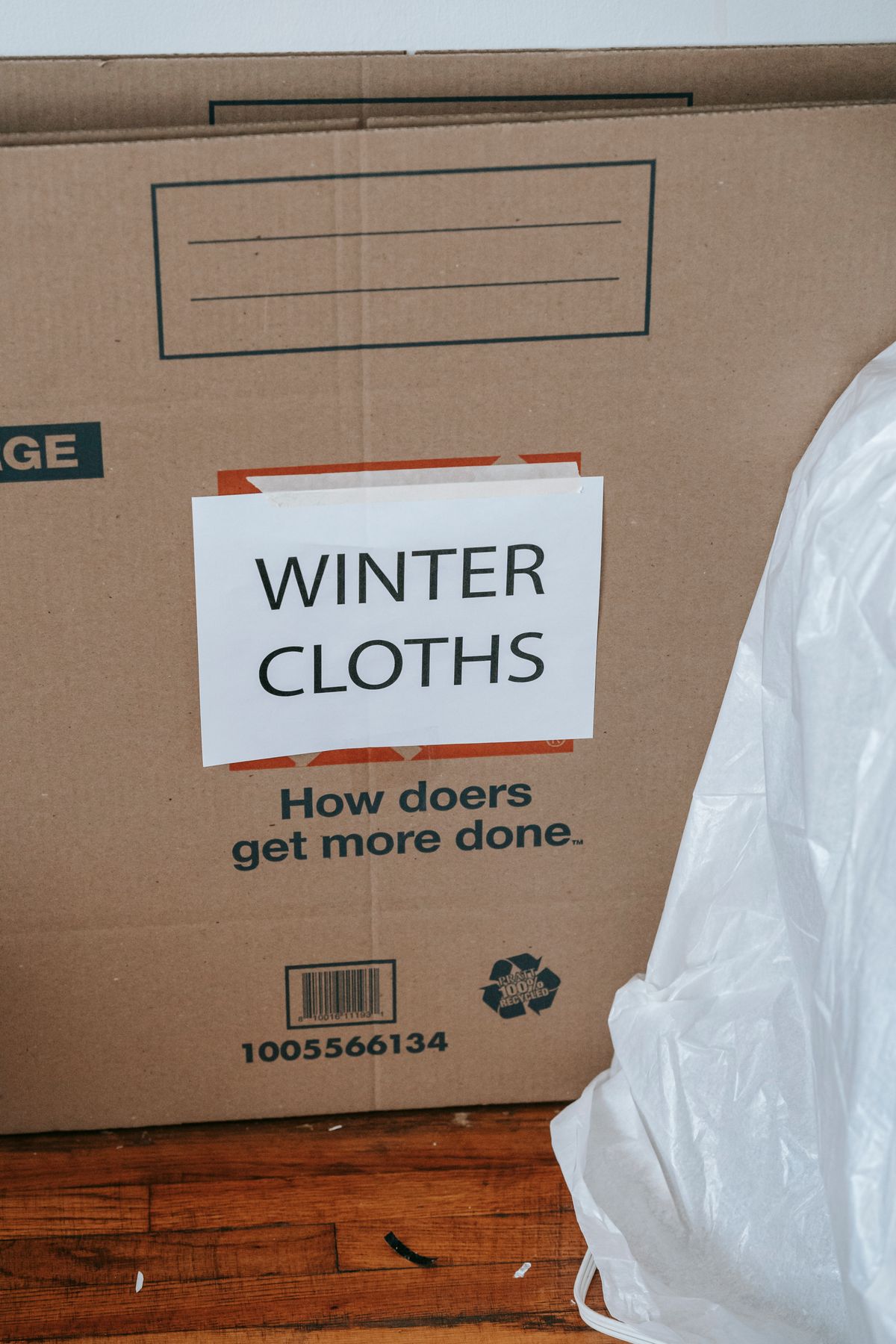
Label the visible side with a useful contents group. Summer may describe too many unrelated things; picnic dishes or winter gloves is more informative. Numbering a related group of boxes can help, but only if the numbering makes an actual search easier.
Prepare for the next opening
Place the first-needed parts near the top or in an accessible position. A brief note inside the lid can identify checks required before the next use. It should point toward the relevant equipment instructions, not replace safety-related guidance.
If you find items that have gone unused for several seasons, consider their future purpose before packing them again. Usable belongings may suit someone else. Repeatedly storing everything simply because it fits a seasonal category makes the collection harder to maintain. A little available space helps you look after the things you genuinely expect to use again.