Shoe care starts with the materials in the particular pair. Smooth leather, suede, textiles, and coated surfaces do not necessarily tolerate the same treatment. A shoe combining several materials may be limited by its most delicate component. Find the model's care guidance before using a product already in the cupboard.
Take a brief look after wearing
Let shoes air and dry according to their instructions. Do not immediately push damp footwear into a crowded closed cabinet. Remove loose dry dirt with an appropriate tool without scratching delicate surfaces. Wet dirt may require a different treatment rather than an aggressive immediate scrub.
Look at laces, eyelets, seams, and the join between the upper and sole. Wear noticed early is easier to assess than a component that completely separates during an outing. Do not keep wearing a shoe with a potentially hazardous loose sole simply because the upper still looks presentable.
Choose suitable supplies rather than many bottles
ECCO's care guidance separates leather, suede, and other material treatments. That illustrates why a cleaner described broadly as universal is not automatically appropriate for every pair. Choose products with explicit compatibility and test where directed on an inconspicuous area. A color change acceptable on one material may be undesirable on another.
More product does not automatically improve the result. Follow quantities, waiting times, and other directions. Use sprays according to their ventilation and safety instructions. Do not improvise strong heat to speed drying. ECCO's care FAQ recommends natural drying at room temperature for its relevant footwear; the directions for your own model remain the deciding reference.
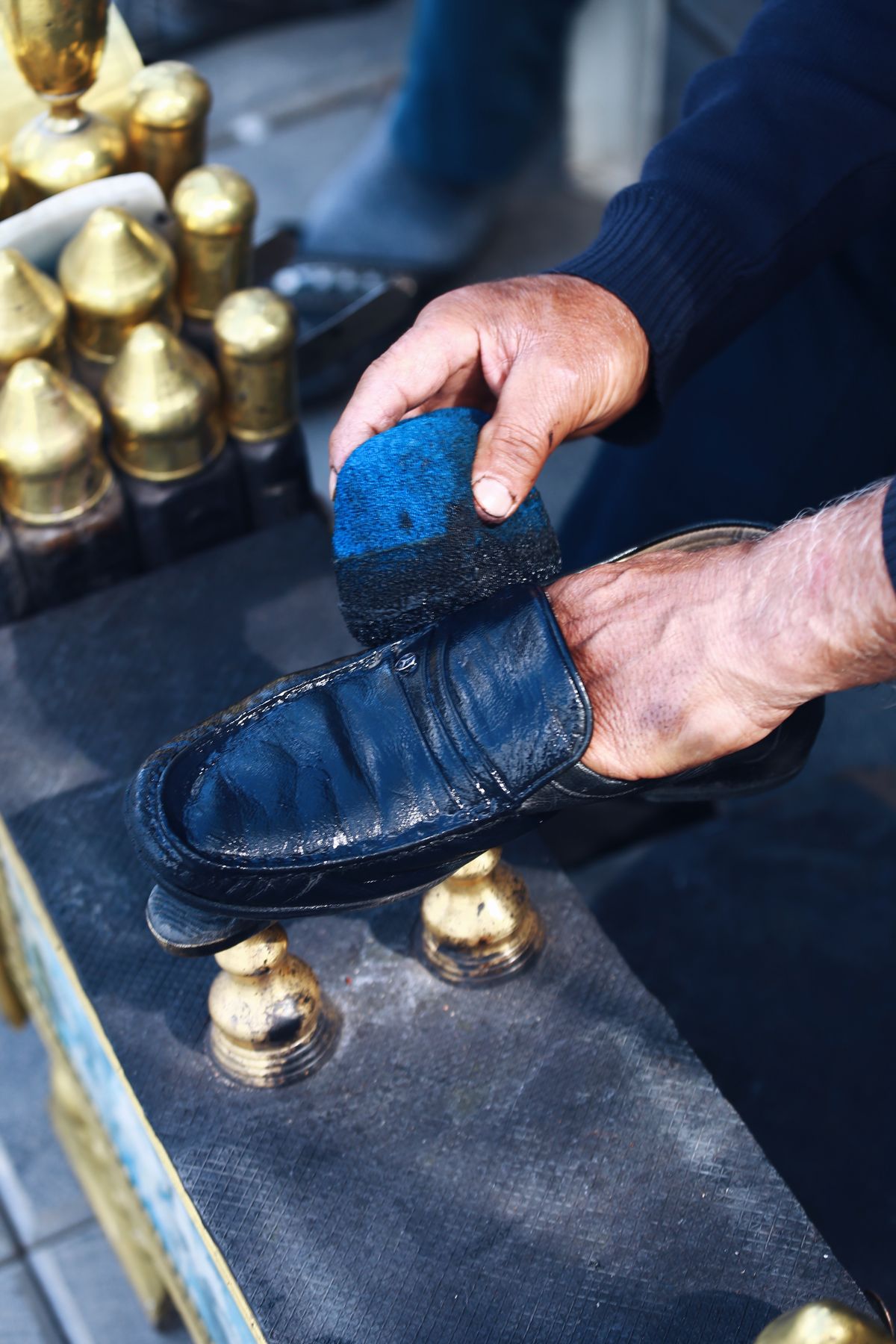
A small existing box can hold a suitable brush, cloth, and care product within reach. Separate tools carrying dark polish or other color-transfer risks so they do not mark a lighter pair. Label unclear supplies rather than relying on the shape of similar bottles.
Ask about repair before damage spreads
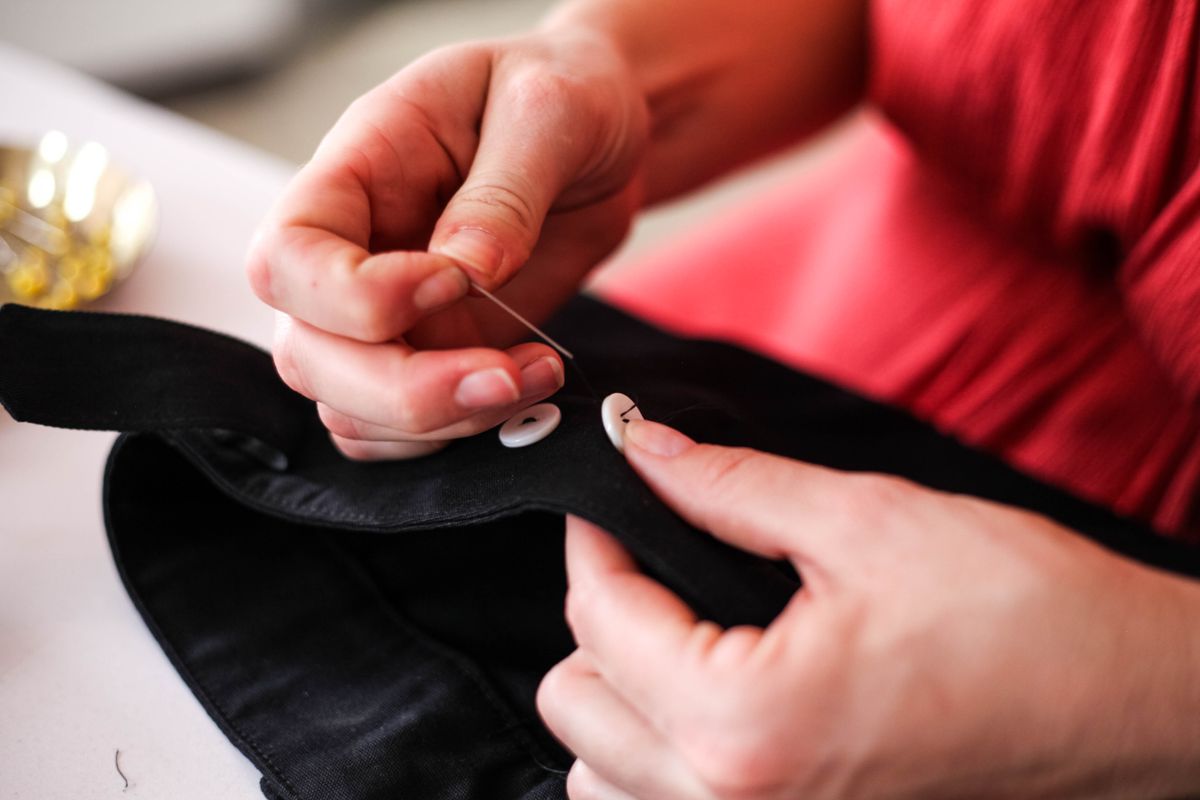
A shoe-repair service can assess worn heels, opened seams, or detachable components and explain whether function can be restored. Describe the issue and show both shoes. A general material name is usually not enough for a reliable remote assessment.
Attach the inspection to an existing habit, such as changing shoes after getting home. It does not need to trigger a full cleaning every time. A short check followed by an appropriate response to actual dirt or wear is easier to maintain than an elaborate routine attempted only occasionally.