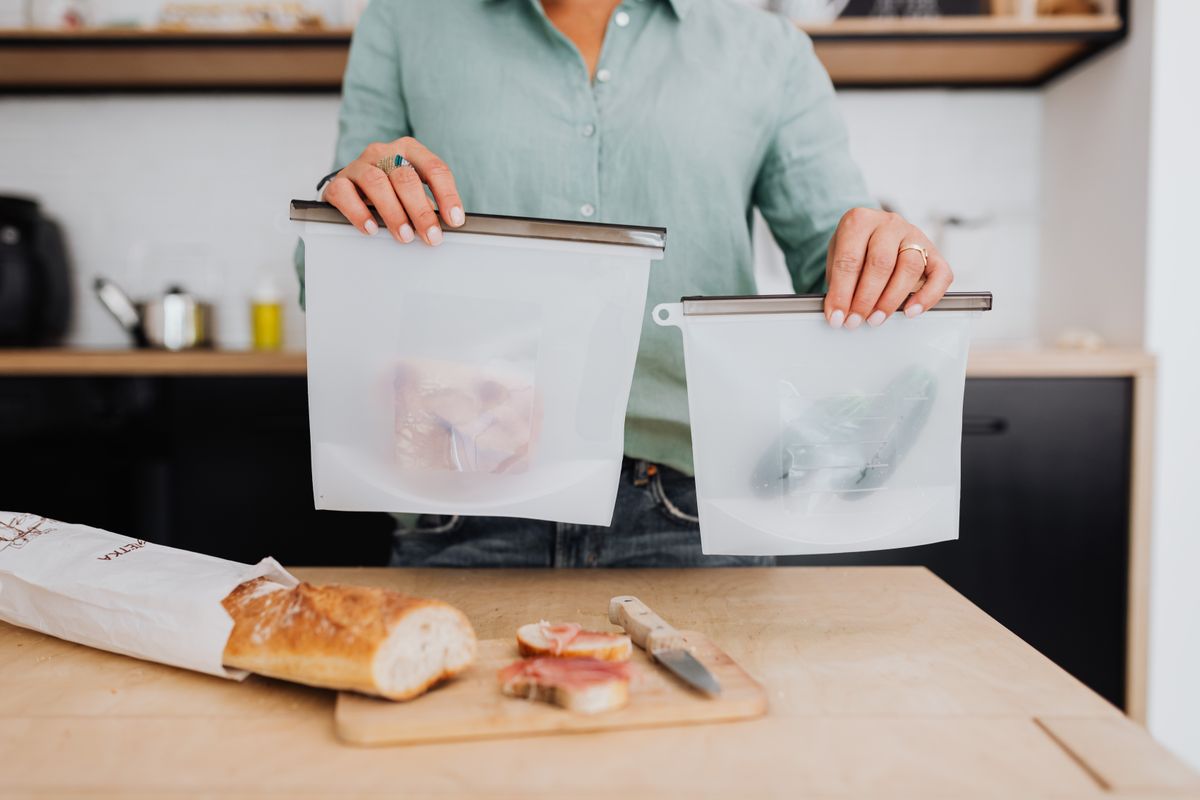
The inside of a reusable food bag determines much of its cleaning workload. A wide closure may make filling easy while narrow bottom corners remain difficult to reach. Look beyond how flat the empty bag fits in a drawer and consider what cleaning will involve after an actual meal.
Read directions for every component
The bag, removable closure, and other parts may have different care requirements. Check dishwasher suitability, temperature limits, and drying instructions. Do not turn a bag inside out simply because another model is designed for it. On some constructions, forceful inversion can strain seams or connection points.
Choose a size suited to the task. A very deep bag can be awkward for a small portion because your hand or cleaning brush cannot comfortably reach the bottom. Liquids require a product specifically intended to hold them. A closable snack pouch is not automatically suitable for soup carried sideways in a backpack.
Remove residue before storing
Empty the bag after use and deal with food residue promptly using the permitted cleaning method. Open the closure fully and inspect the corners, folds, and sealing grooves. Use suitable soft tools instead of sharp objects that could damage the surface. Follow the manufacturer's directions especially carefully for coated materials.
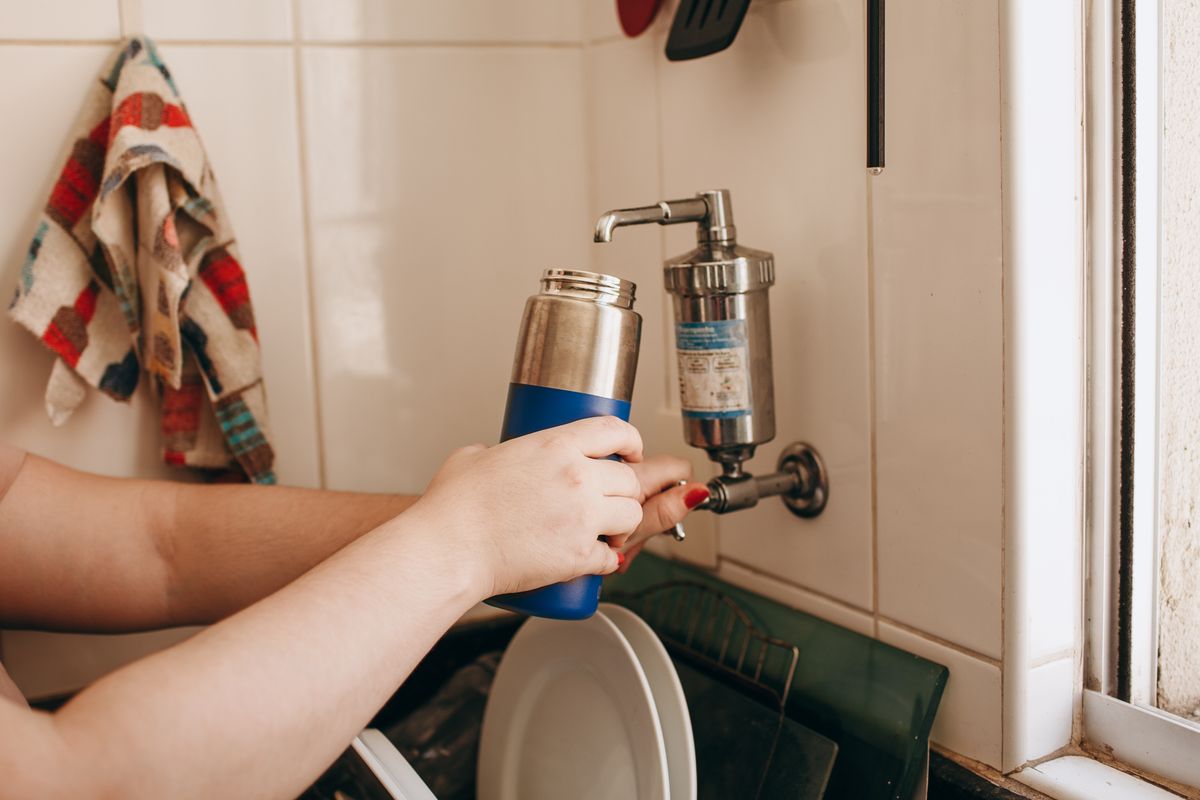
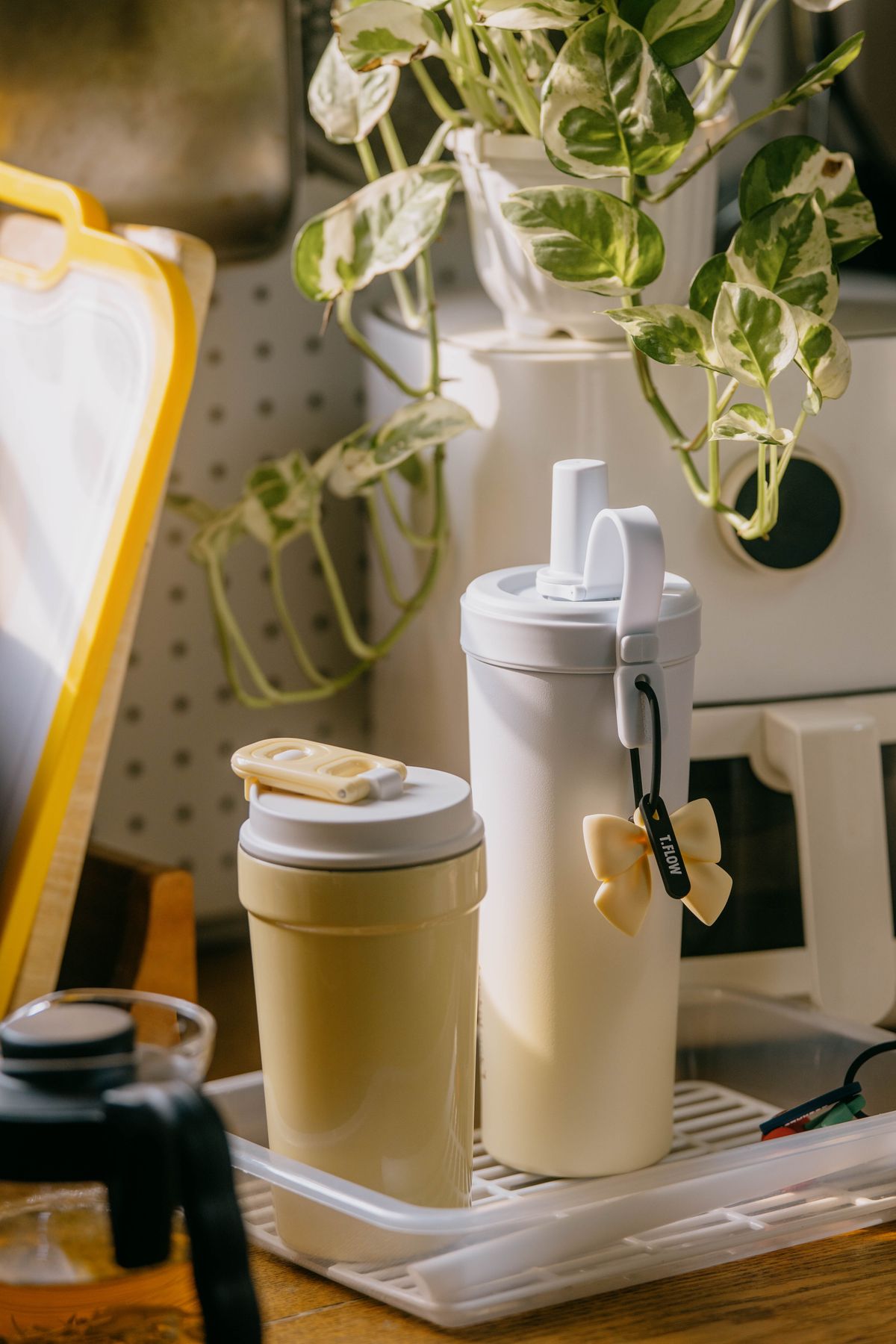
After washing, the interior needs space to dry. Position the bag so the sides do not remain stuck together and water can drain, where the instructions permit. An existing suitable drying rack may be enough. Avoid a setup where the bag repeatedly falls from its support or rests its clean opening on a dirty counter.
Close the loop only when dry
Before folding or sealing the bag, check for remaining moisture and trapped food. Store clean, dry bags separately from those awaiting washing. If an odor persists after correct cleaning or the surface appears damaged, consult the product information about continued use. Adding fragrance merely hides the issue and is not an appropriate repair.
Record the size and care instructions for a model that works well, so later replacements or additions can be chosen deliberately. Start with a small number and see whether drying fits your kitchen space. Reuse requires the whole process, from filling to cleaning to storage. If a rigid container you already own is easier to clean for the food you carry, that may be the more workable choice rather than expanding a collection of bags.