A stainless-steel container may protect a sandwich well without being suitable for a salad with plenty of dressing. The material of its base does not reveal whether the lid seals. For food carried away from home, the closure, overall weight, and usable shape matter as much as the metal surface.
Let the meal define the closure
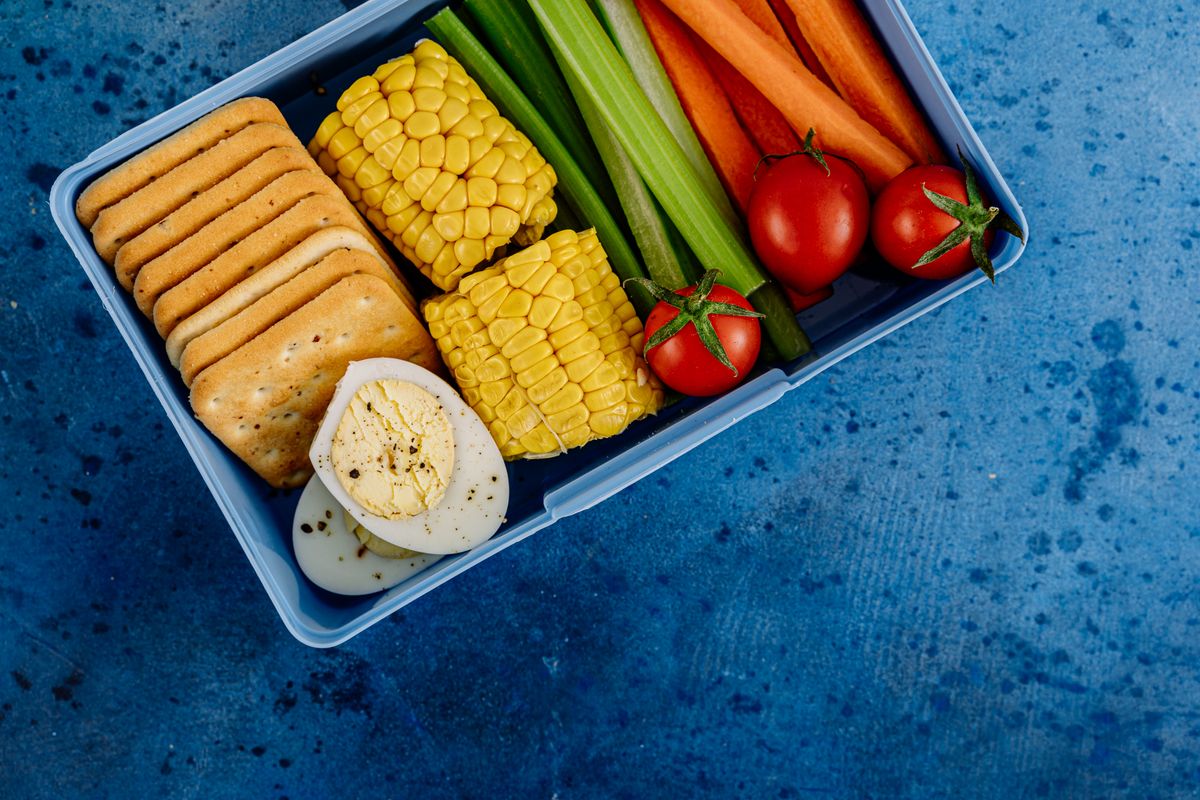
Describe a typical lunch first. Dry foods may work with a simple fitted or clipped lid when that design is intended for transport. Liquid contents need an explicitly suitable construction. Check whether internal sections are sealed from one another or simply divide solid ingredients visually.
Clips should open without painful force and close correctly afterward. If more than one person will use the container, consider everyone's ability to operate it. Check the placement of any seal and look for replacement-part information. A worn small ring should not necessarily mean replacing the entire container.
Consider the whole commute
Measure protruding clips as well as the body. Check whether the container fits upright inside your existing bag and leaves room for cutlery or cooling supplies. A long narrow shape may suit a sandwich but be awkward on a small shared refrigerator shelf. Convenience at the kitchen counter is only one part of the journey.
An ordinary metal container does not by itself keep food safely cold or hot. Plan suitable temperature control for the meal. Do not assume microwave compatibility either. Use the exact container only as its instructions permit, and transfer food to an appropriate dish for heating when necessary.
Match care to the actual construction
Read washing instructions separately for the base, lid, and seal. Inspect corners and folded edges for cleaning access. Empty the container after returning home and let components dry after washing. Unfamiliar household treatments are not a necessary answer to every mark; follow the material-specific care information instead.
If a lunch box you already own works, changing materials alone does not require replacing it. A new steel container makes sense when it solves a particular unmet need. Evaluate it using a complete meal, the way you travel, and the washing you are prepared to do afterward. A container you repeatedly use without awkward workarounds provides more practical value than an apparently ideal one that remains in the cabinet because its lid is frustrating to operate.