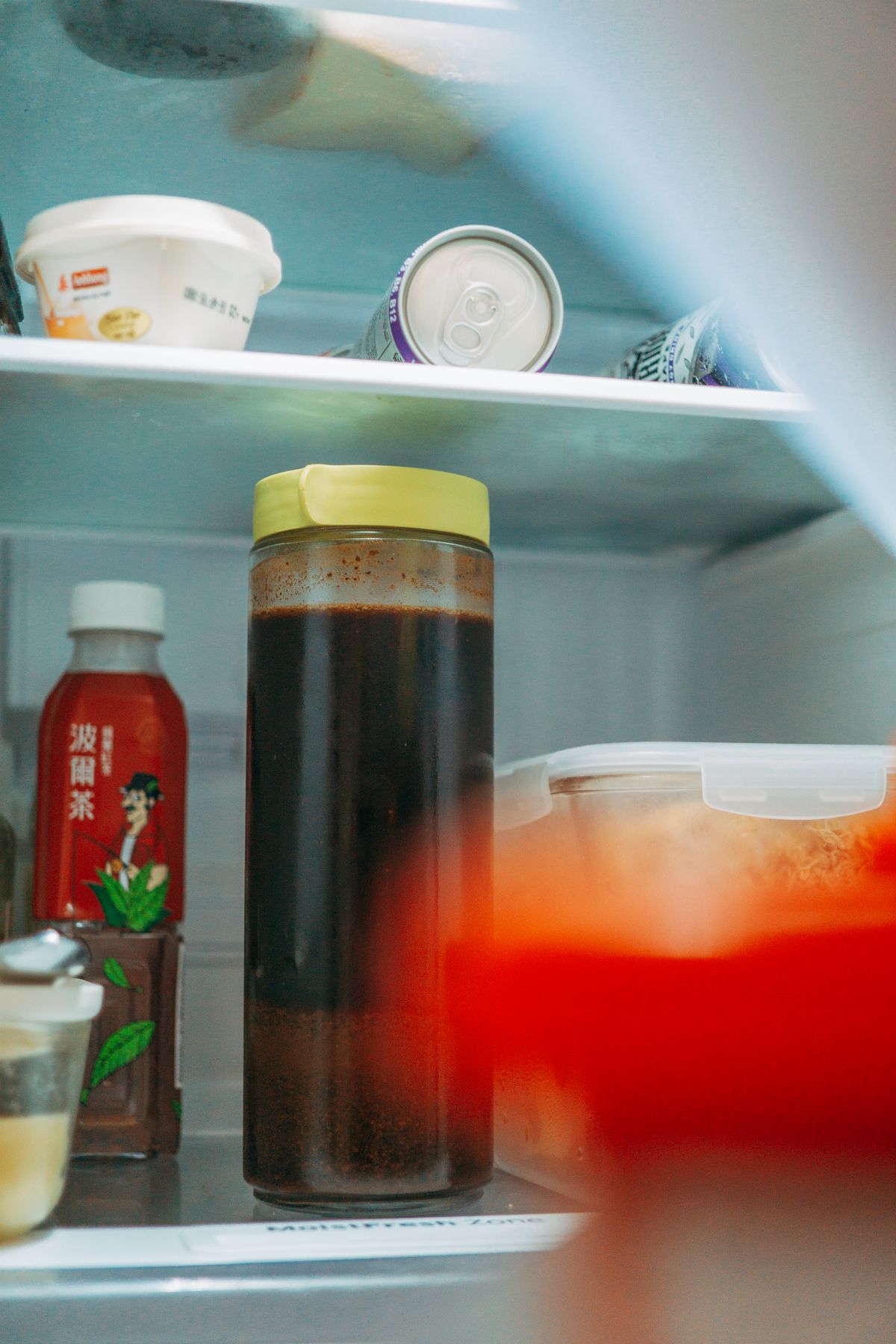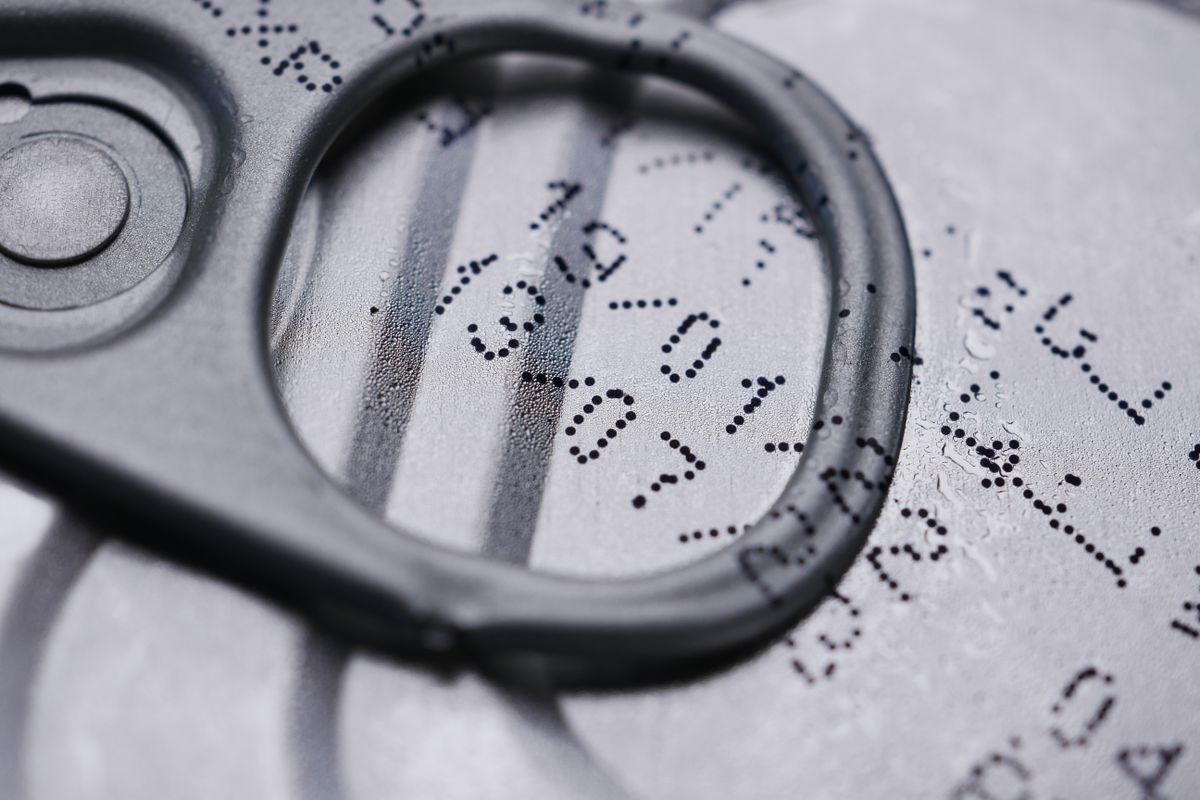
A package can display a calendar date, a lot code, a storage instruction, and a separate message about use after opening. They answer different questions. Reading the words beside the date is more useful than treating every number as an expiration deadline.
What the wording tells you
USDA explains that phrases such as Best if Used By generally describe quality, while Sell-By helps a store manage its stock. These dates do not by themselves establish food safety. Infant formula is an important exception: do not use it after its Use-By date. Federal dating rules and state requirements are not a single universal system covering every food in the same way.
That distinction does not mean all dated food is safe indefinitely. A package may have been held at the wrong temperature, opened earlier than expected, or damaged. Harmful bacteria are not reliably detected by smell or appearance. Do not taste a questionable item simply to settle uncertainty about its storage.
Keep opening instructions attached
Look for instructions to refrigerate after opening or use within a stated period. Opening can change the conditions that supported the original quality date. Write the opening date on products you use slowly, especially when several people share the same jar or carton. A removable label is enough; no specialized inventory app is necessary.
If you transfer food to another container, retain information that you may need later. A photograph of the label can preserve preparation directions and the lot number without leaving scraps of packaging in the pantry. Keep product information connected to the correct container instead of collecting unidentified label photos.
Use dates to plan, not just to discard
Put groceries that need earlier attention where you can see them, and plan their use around meals you will actually eat at home. A large package is not automatically economical when your household regularly leaves most of it unfinished. Comparing a smaller size with a realistic use plan is often more informative than comparing shelf prices alone.
Avoid universal charts that promise the same extra number of days for every product after a printed date. Formulation, handling, and packaging differ. For a recall, follow the current manufacturer or food-authority instructions rather than a generic date explanation. When you cannot establish whether a perishable food was kept safely, a future date on its label cannot fill that gap.