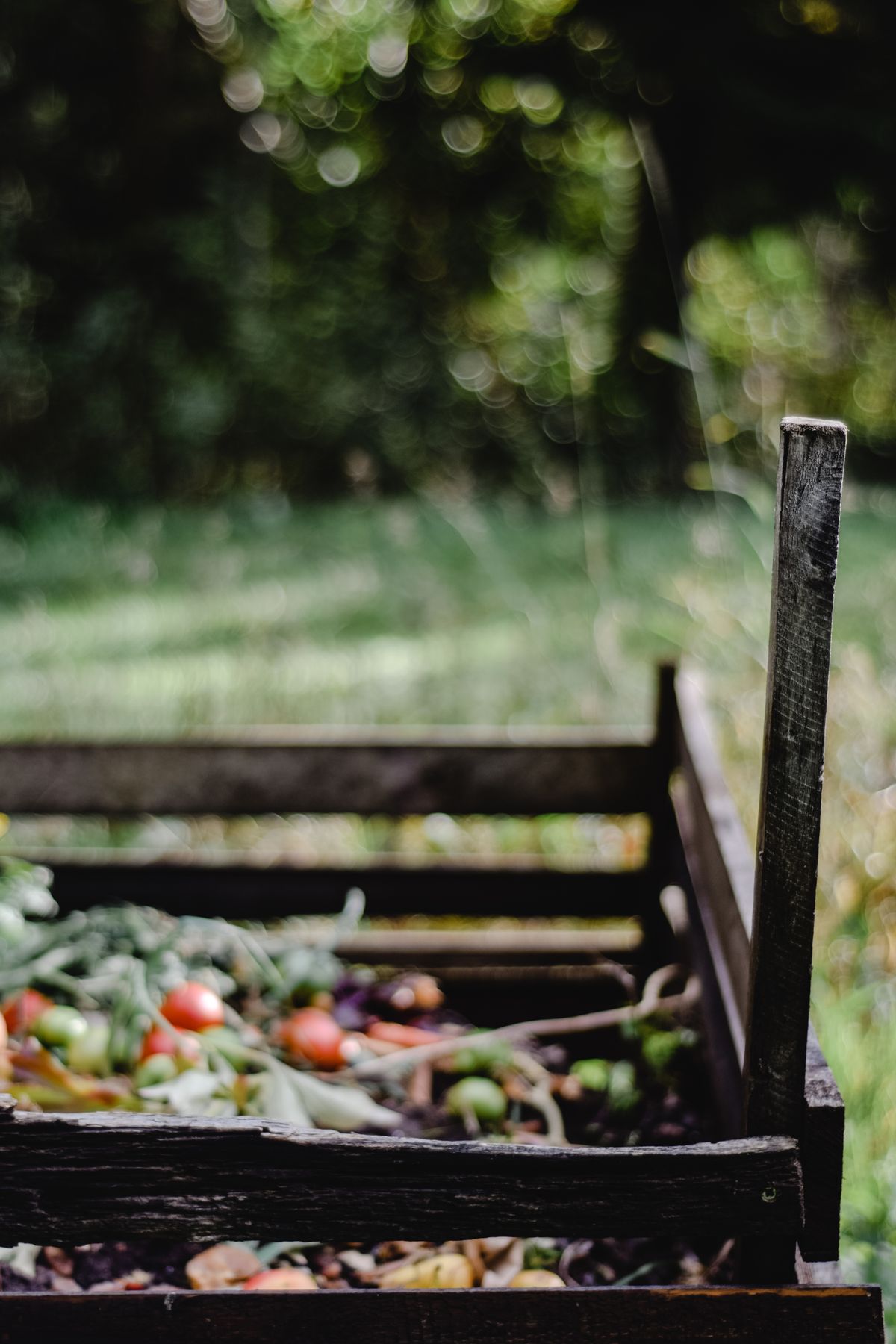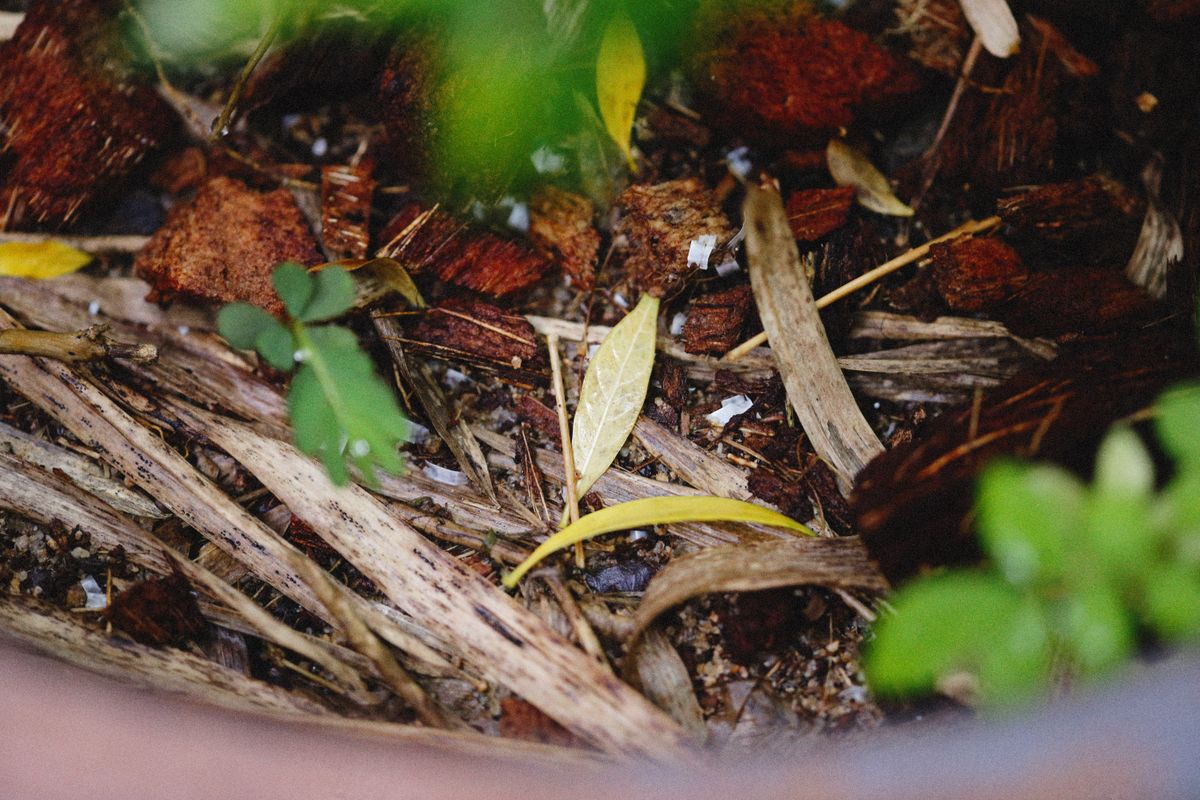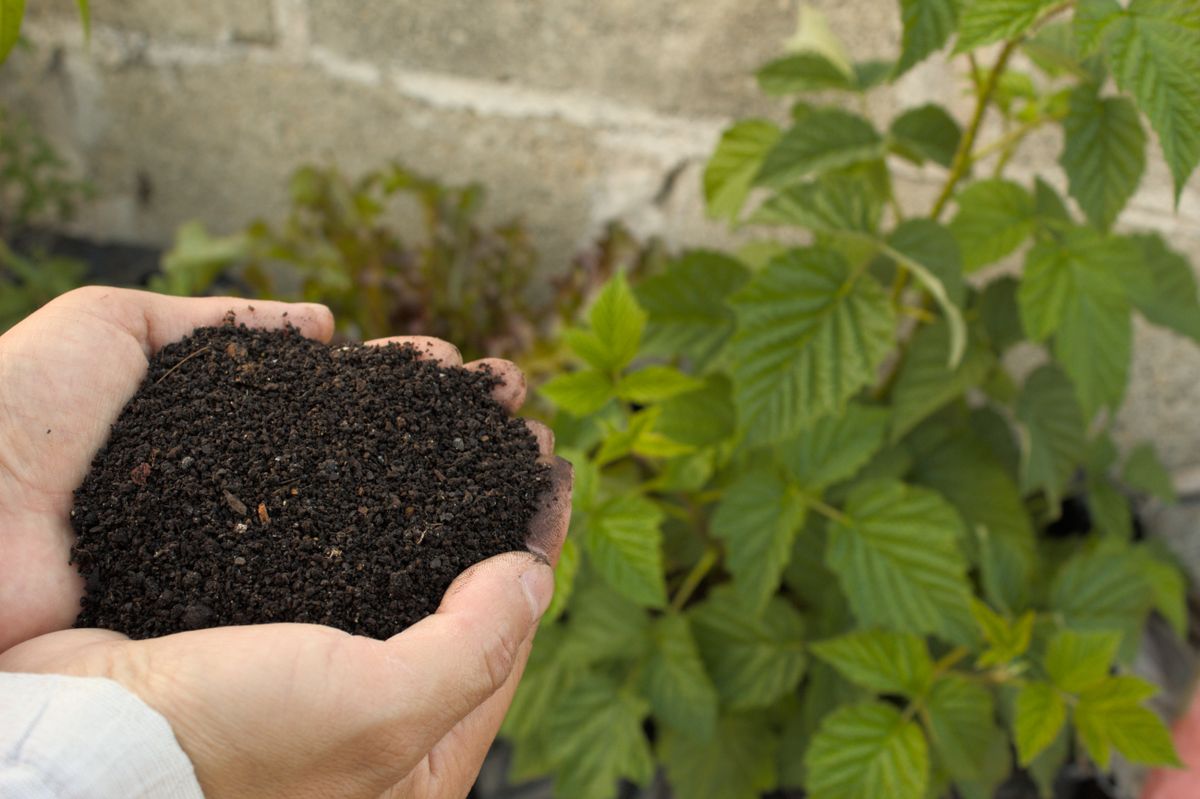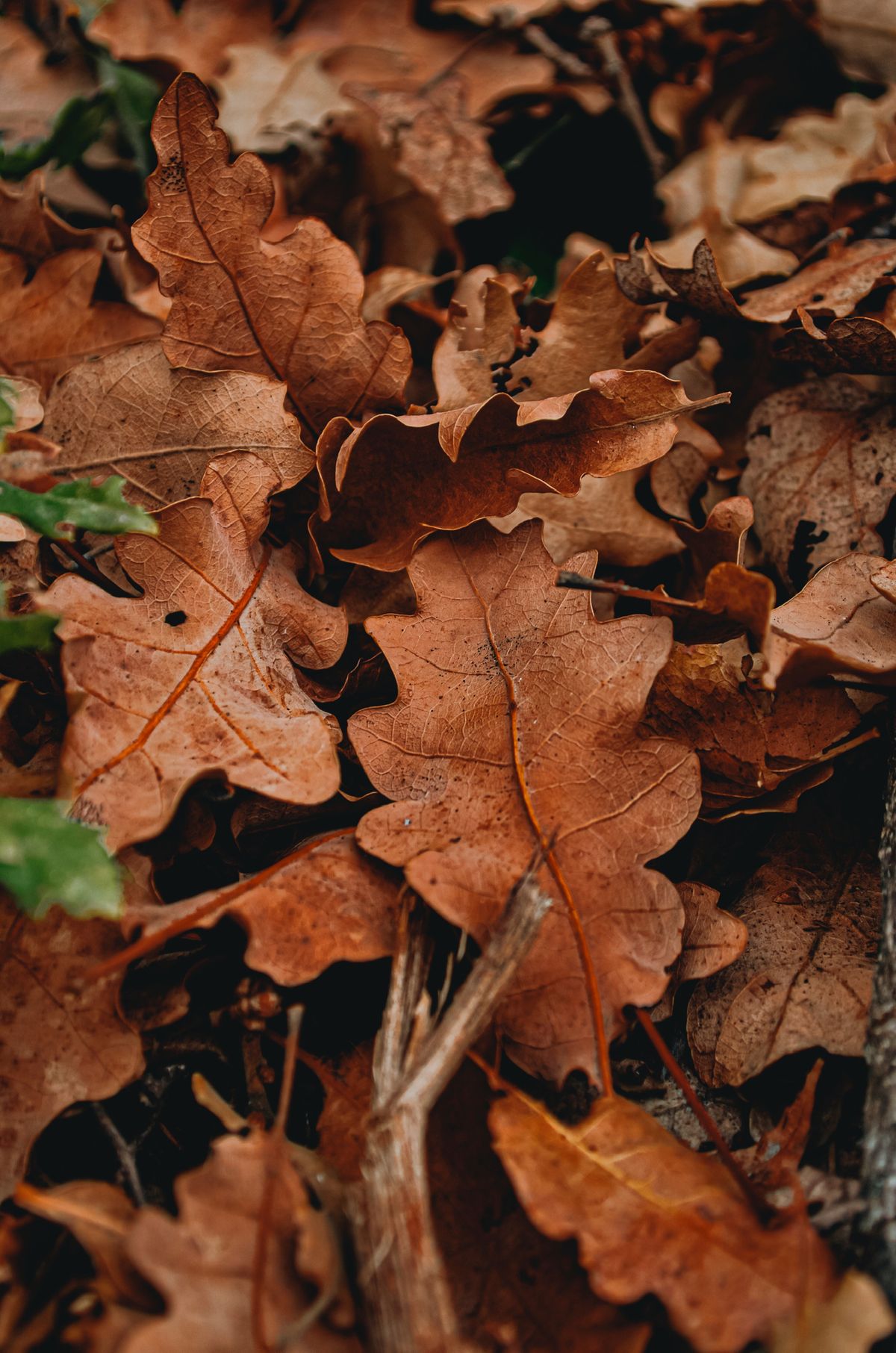
A large fall leaf collection can overwhelm a compost bin that already handles kitchen scraps. Setting aside a separate place gives the leaves a clear destination without requiring you to rearrange the regular pile each time you rake. It also makes the older material easier to identify later.
The Royal Horticultural Society describes leaf mold as a slowly produced soil conditioner and notes that different leaves break down at different rates. Thick leaves can take longer. Treat this as a patient yard project, rather than promising yourself a finished product by a particular weekend.
Design for emptying as well as filling
Think about how leaves will reach the collection area. You may bring a wheelbarrow, carry a reusable yard bag, or rake directly toward the enclosure. The entrance should accommodate that approach without requiring an awkward lift over a high barrier.
Then consider how you will remove the material. A structure that is convenient to fill from the top can be frustrating to empty if its sides do not open. Leave enough standing room for a tool and a transport container. Do not use a narrow walkway as your only working space if the pile will block it during maintenance.
Identify the batch
A simple label with the starting year tells other household members that the collection is intentional. If space allows, mark a boundary between this fall's leaves and an older batch. You do not need a complex tracking system; the point is to avoid repeatedly burying the material you intended to inspect.
Look through leaves before adding them. Small packaging scraps, plant labels, and forgotten garden accessories can travel with a raked pile. Removing them while they are visible is easier than searching for them later. Keep tools outside the collection area so the next load does not cover a pair of pruners or a hand rake.
Choose a use after checking the material
The RHS distinguishes uses according to how far the leaves have decomposed. An unfinished collection should not automatically be treated as ready-made potting soil. If you need advice about a specific garden use, bring a representative sample or clear description to your local extension service.
Schedule removal when the receiving bed or storage area is ready. Gather the container and tools first, then move only the amount you can place that day. This avoids a second temporary pile on the driveway. If the material is not ready for the intended task, leave it in its designated space and revise the plan. A separate leaf collection is useful precisely because it allows that flexibility.