A pot of leftovers may represent several meals, but it is not always a useful storage unit. Choose portions according to who will eat them and when. One packed lunch needs a different amount from a side dish intended for several people.
Plan cooling with portioning
USDA recommends refrigerating perishable leftovers within two hours, or one hour when temperatures exceed 90 °F, and dividing large amounts into shallow containers for rapid cooling. Properly handled refrigerated leftovers generally keep for three to four days. Do not leave a large pot on the counter for hours while deciding where to put it.
Have suitable clean containers ready when cooking is likely to produce leftovers. Check the lids and the intended uses of the material. A container suitable for carrying food is not automatically approved for freezing or reheating. Keeping matching lids nearby makes the task easier to finish promptly.
Name the next meal
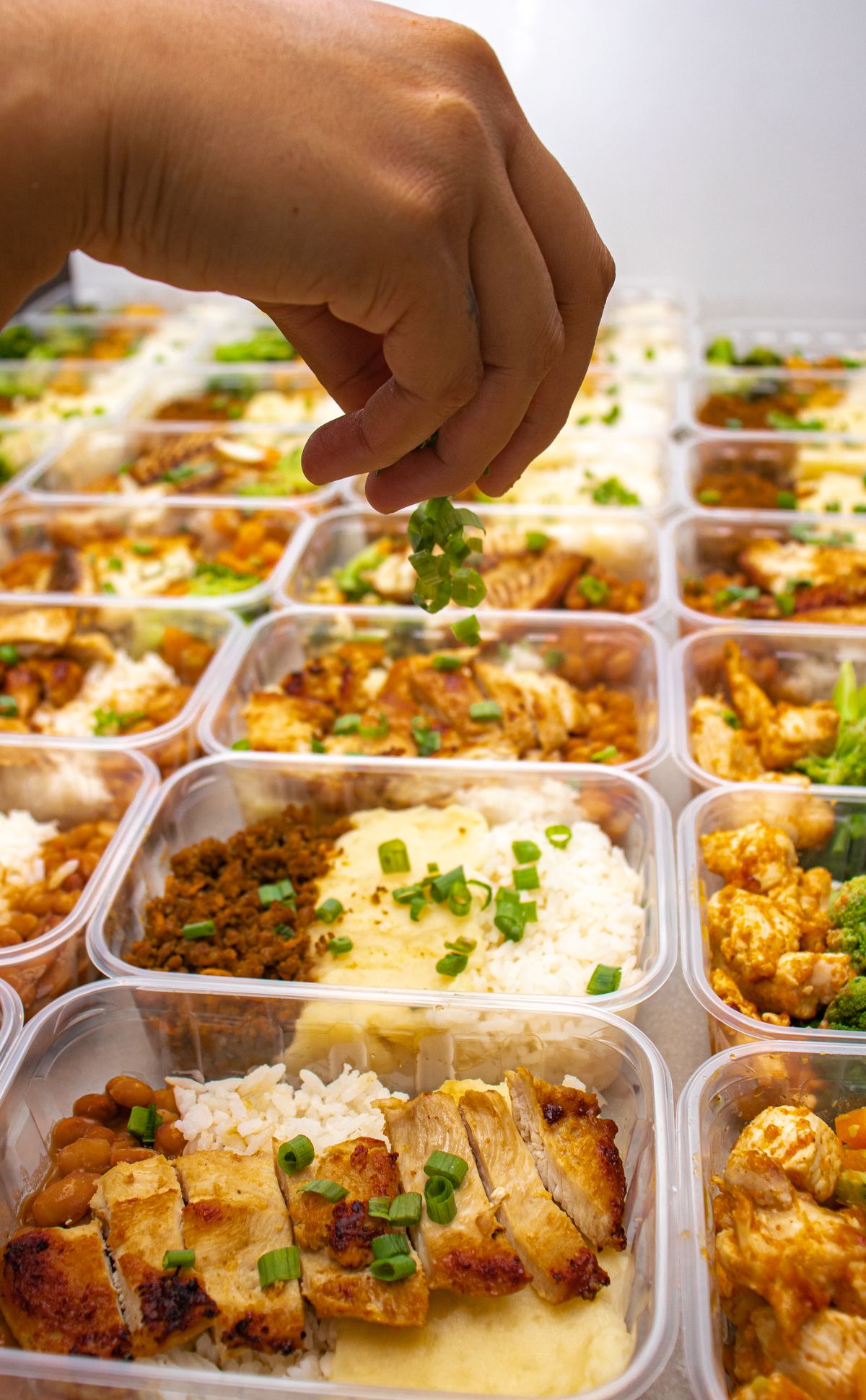
Pack quantities likely to be removed together. A smaller portion might supplement one lunch, while a larger amount may suit a shared dinner. Separate components when their later use or storage makes that useful, but avoid creating many tiny containers without a purpose.
Write the contents and preparation date on the package. If a portion is reserved for someone, add a brief note. Relevant ingredient information matters in a shared household too; similar-looking sauces are not always identifiable the next day.
Decide early whether a suitable portion will be eaten within safe refrigerated storage or frozen according to appropriate guidance. Freezing does not erase an unsafe or unknown handling history. Do not rely on normal smell or appearance to prove that food has been kept safely.
Use the result to improve the next batch
If the same amount is repeatedly left over, adjust the next cooking quantity. Less of one side dish may be enough, or a deliberate larger batch may work when a second meal is already planned. The important difference is whether the extra food has a realistic destination.
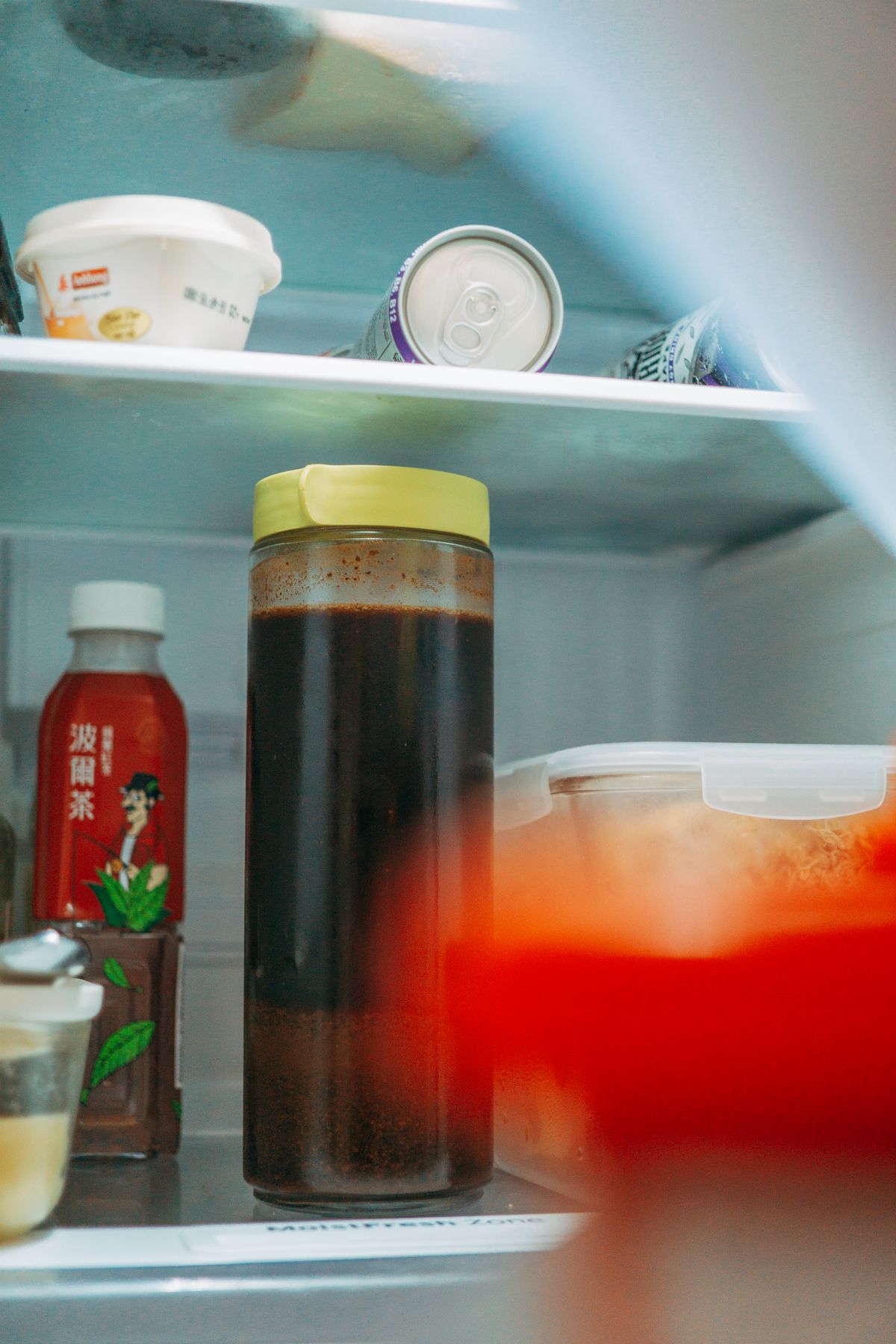
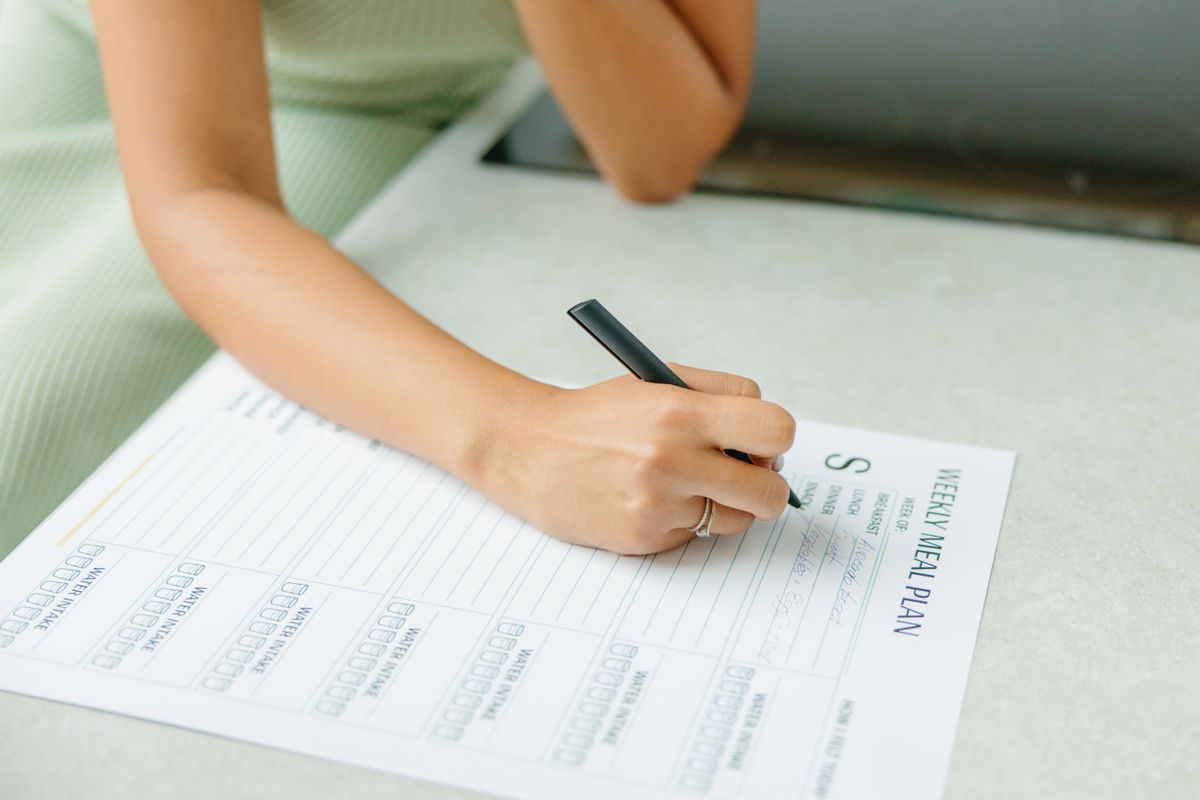
Keep saved portions visible and include them in the meal plan. A container continually pushed behind new groceries needs a better location or a simpler intended use. If taking out one serving requires thawing a much larger block, the original portion was probably too big for that routine.
Successful portioning ends with suitable food being used within the relevant storage guidance. A refrigerator full of labeled containers is not itself the goal; each package should be easy to identify, handle, and turn into an actual meal.