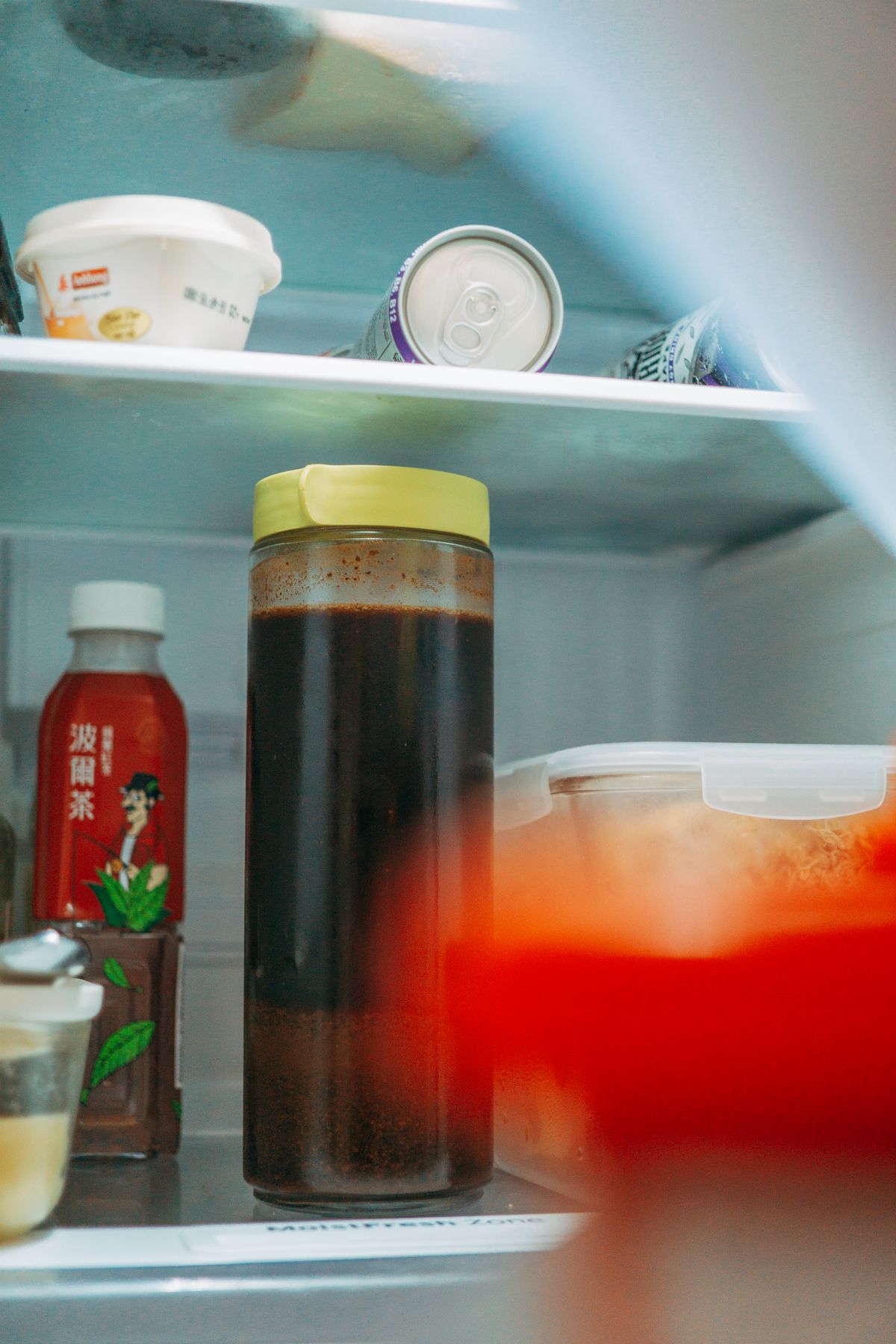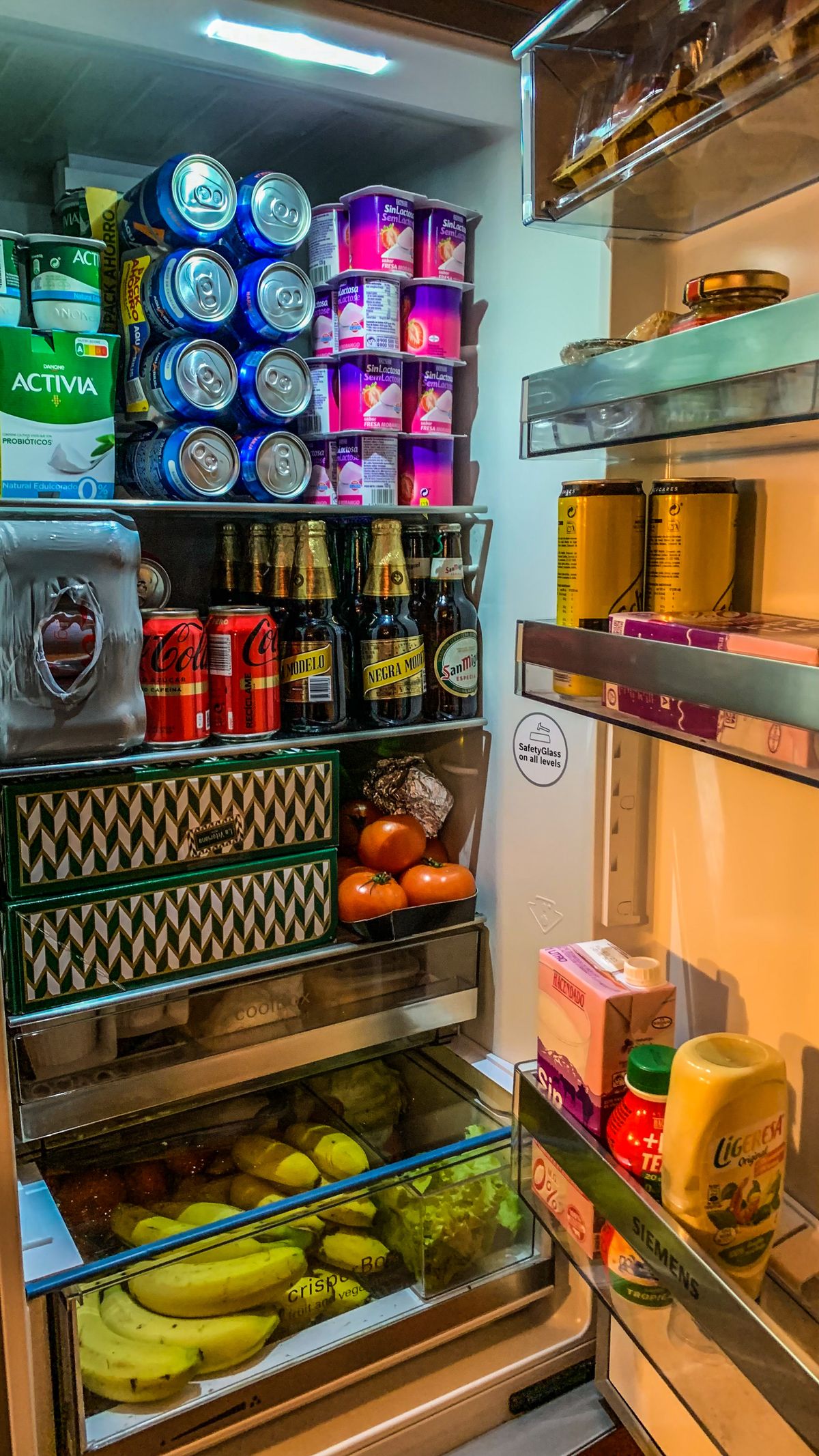
A shared refrigerator becomes confusing when ownership is unclear. Half a carton may belong to one person but be available to everyone, while an unmarked container might be tomorrow's lunch. Before buying organizers, agree on which groceries are private, which are shared, and how people will communicate a change.
Divide responsibility before dividing shelves
Give personal groceries recognizable areas and make the shared area explicit. A labeled bin or one section of a shelf may be enough. Storage requirements still take priority over equal shelf space: raw meat needs secure containment so juices cannot reach other foods. A person's assigned area should not force unsafe placement.
For prepared meals, record the contents, the person's name, and the preparation date. An opening date is helpful when a product's instructions limit its life after opening. Choose removable labels that do not create a new cleaning problem. A familiar container is not a reliable reminder of what is inside or when it was filled.
Make permission visible
A small use-soon section can help the household finish good food before buying more. It should contain items that someone has deliberately made available, not abandoned containers whose history is uncertain. Add a clear shared or help yourself note. This prevents both unnecessary hesitation and arguments about ingredients disappearing before a planned meal.
Set a brief check before the usual grocery trip. Identify duplicate products, ask owners about unlabeled containers, and agree on staples that need replacing. Do not create a standing rule that every printed quality date triggers disposal. Storage history, product instructions, and the meaning of the date matter more than an arbitrary weekly purge.
Assign small cleaning jobs
Specific tasks are easier to complete than a promise to clean the fridge sometime. The person who spills something can wipe it up promptly; another person might clean a removable bin during the regular check. Keep food appropriately chilled during longer cleaning and follow the appliance instructions for removing shelves or using cleaners.
Finally, leave enough room to see what is present and avoid obstructing vents. The USDA recommends a refrigerator temperature of 40°F or below. Use an appliance thermometer rather than assuming the control dial shows the actual temperature. A shared system works when people can put food away and retrieve it without moving everyone else's belongings. If the arrangement requires constant rearranging, simplify the zones before adding more containers.