A one-person household does not need a miniature version of a large family's pantry. It needs food that fits one person's real week. Someone who eats out several evenings has different useful quantities from someone who cooks daily. Start with the calendar before looking at package sizes or grocery promotions.
Count meals, not just days
Mark the meals you reasonably expect to eat at home and allow room for changes. Three well-planned dinners may work better than buying ingredients for seven recipes that cannot all happen. Keep a flexible meal based on longer-lasting staples available for a changed schedule, rather than making every evening depend on fresh ingredients.
Choose ingredients that can move between different meals. A vegetable might work in a skillet dinner and later in soup; a bag of lentils can serve several recipes. Watch the supporting ingredients, though. If each variation needs a different specialty sauce, the plan may create more open packages than it uses.
Compare the amount you will use
A lower unit price is only helpful if you can use the food. Consider storage space, realistic portions, and whether you enjoy repeating an ingredient before choosing a bulk pack. A smaller package can be the less expensive purchase in practice even when its price per ounce is higher. Splitting a purchase with another household can work when ownership and timing are clear.
When cooking extra, divide suitable food into intentional meals. A labeled single portion is easier to plan around than a large container that must be opened repeatedly. Follow appropriate cooling and storage guidance for the food involved. Include the contents and preparation or freezing date so that a familiar lid is not your only identification system.
Keep reserves proportional
For dry staples, try one open package and a modest backup only for items you use regularly. This is an organizing experiment, not a rule for every household. Longer distances to grocery stores or limited transportation may justify a larger reserve. What matters is that new purchases do not bury older stock.
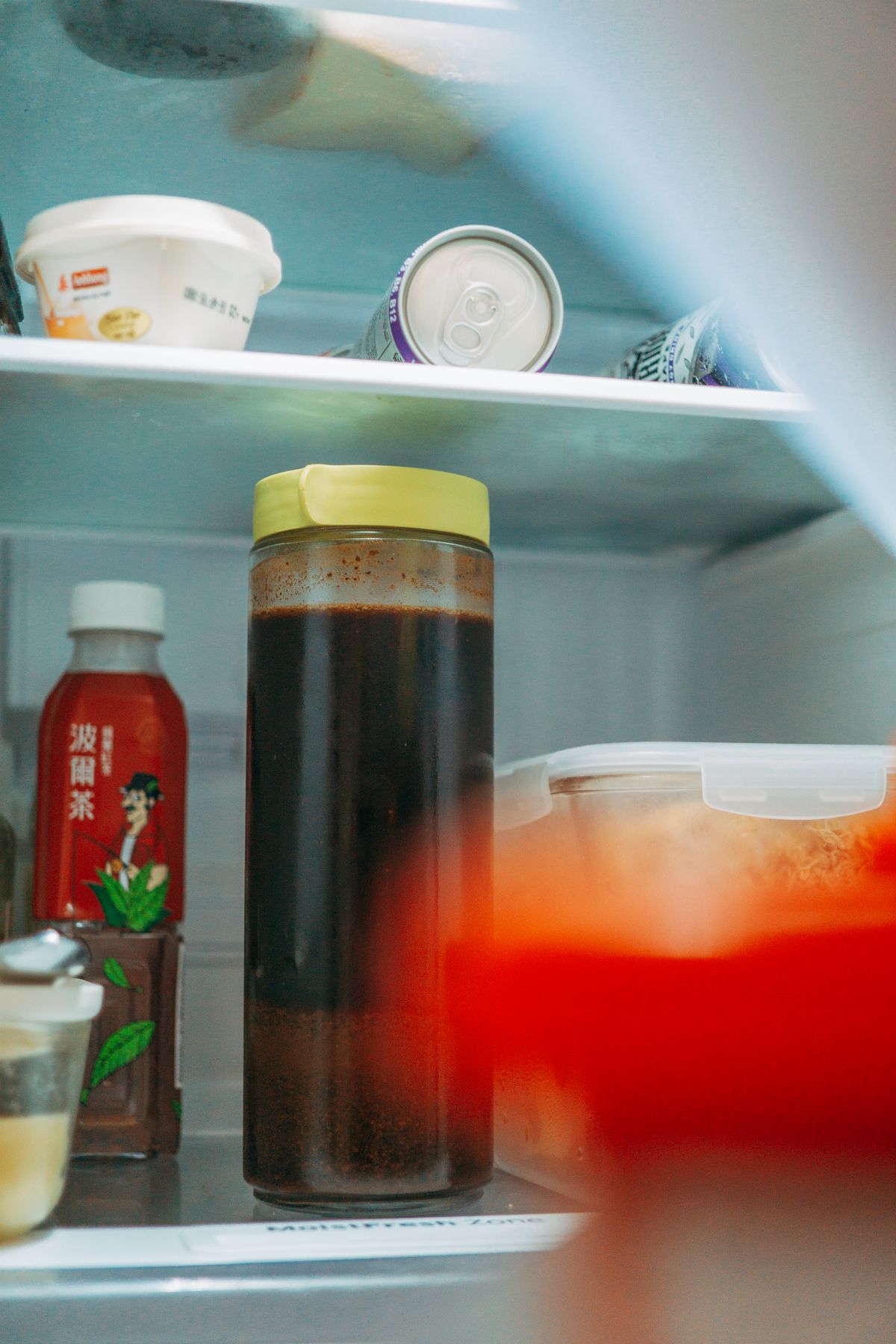
Before shopping, look through the refrigerator and then check the coming schedule. Assign an existing ingredient to a particular meal rather than vaguely promising to use it soon. EPA's waste-reduction guidance encourages buying thoughtfully and using what is already available. For a solo household, that can be a short routine with a paper list; matching containers and a dedicated planning app are optional.